


How do you stimulate the flowering of cannabis?
Stimulating the flowering stage of cannabis is a crucial aspect of cultivation, as it marks the transition from vegetative growth to the production of buds containing cannabinoids like THC and CBD. Successfully inducing and managing flowering ensures a bountiful harvest with potent and well-developed buds. Here’s a comprehensive guide on how to stimulate the flowering of cannabis:
1. Photoperiod Control:
Cannabis plants are highly responsive to changes in light cycles. To initiate flowering, adjust the photoperiod by providing a consistent 12 hours of uninterrupted darkness each day. Indoors, this is typically done by manipulating the lighting schedule.
 2. Choose the Right Strain:
Different cannabis strains have varying flowering times. Some are naturally inclined to flower earlier than others. When selecting seeds, consider the expected flowering duration and choose a strain that aligns with your cultivation timeline.
3. Use Quality Genetics:
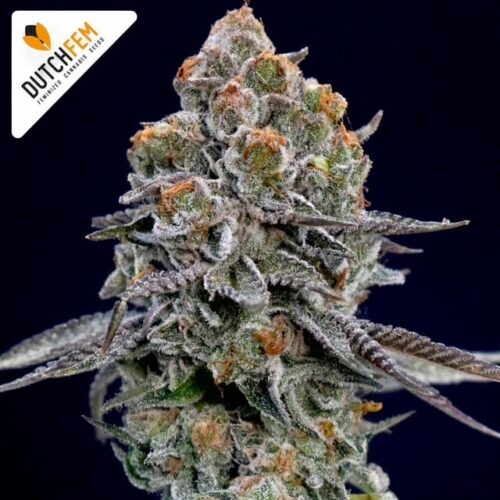
Starting with high-quality genetics is essential. Genetics play a significant role in determining how well a plant will respond to flowering stimuli. Opt for seeds from the reputable Dutchfem seeds breeders known for stable and reliable genetics.
4. Nutrient Adjustment:
Transitioning to the flowering stage requires adjustments in nutrient ratios. Increase the phosphorus and potassium levels while reducing nitrogen. Specialized bloom or flowering fertilizers with a higher P-K ratio are commonly used during this stage.
5. Light Spectrum:
While changing the photoperiod initiates flowering, altering the light spectrum can enhance the process. During the flowering stage, cannabis plants benefit from a spectrum rich in red and orange wavelengths. High-pressure sodium (HPS) and LED grow lights designed for flowering provide the ideal spectrum.
6. Environmental Factors:
Maintain optimal environmental conditions to support flowering. Keep the temperature between 68-78°F (20-26°C) and maintain relative humidity levels around 40-50%. Adequate ventilation ensures good air circulation, preventing issues like mold and bud rot.
 7. Pruning and Training:
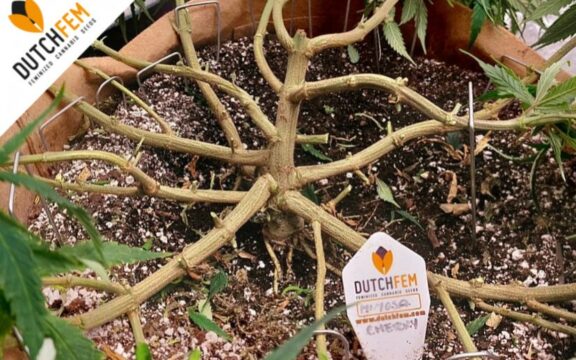
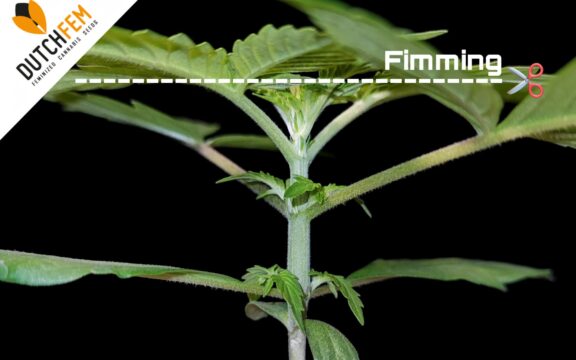
Pruning and training techniques can stimulate flowering by redirecting the plant’s energy. Techniques such as topping, low-stress training (LST), and defoliation can encourage the development of multiple colas and improve light penetration, leading to more robust bud production.
8. Stress Induction:
Introducing mild stress to the plant can trigger an increased production of flowering hormones. However, it’s crucial not to stress the plant excessively, as it may negatively impact overall health. Techniques like lightly bending stems or gently squeezing branches can be employed.
9. Add Flowering Supplements:
Supplemental products containing natural flowering stimulants, such as phosphorus and potassium boosters, can be introduced during the flowering phase. These supplements provide additional nutrients that support flower development.
10. Patience and Observation:
Finally, be patient and observe the plant’s response to the changes. Not all cannabis plants respond identically to stimuli, and adjustments may be necessary based on individual plant characteristics. Regular monitoring allows for timely intervention if any issues arise.
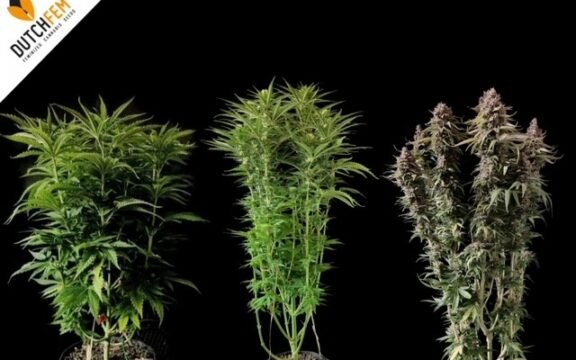
In conclusion, stimulating the flowering of cannabis involves a combination of factors, including light manipulation, genetic selection, nutrient adjustments, and environmental control. By carefully managing these variables, cultivators can optimize the flowering process, leading to healthy, productive plants with potent and high-quality buds.



























You must be logged in to post a comment.