


Foliar sprays in cannabis cultivation
Foliar feeding is an easy way to give your cannabis plants an extra nutritional boost and/or protect them against pests and infections. There are a few things you should pay attention to. When is it best to give foliar nutrition and when not. And what should you pay attention to? We hope that this blog about foliar nutrition will make you a little wiser in its use.
Foliar spraying cannabis can offer several benefits, enhancing the overall health and productivity of the plants.

Here are some advantages of using foliar sprays in cannabis cultivation:
Quick Nutrient Absorption:
Foliar spraying provides a rapid and direct method of nutrient absorption through the leaves. This is especially useful during critical growth stages when the plant requires an immediate nutrient boost.
Efficient Nutrient Utilization:
Nutrients applied through foliar spray are often more efficiently utilized by the plant compared to soil application. This can result in faster correction of nutrient deficiencies.
Stress Management:
Foliar sprays can help alleviate stress conditions such as extreme temperatures, drought, or other environmental challenges. The direct application of nutrients or stress-relieving substances can provide a quick response.
Pest and Disease Control:
Foliar sprays, including natural fungicides and insecticides, can be effective in preventing and managing pests and diseases. Targeting the leaves directly can help control the spread of pathogens.
Improved Flowering and Fruiting:
Properly timed foliar sprays during flowering and fruiting stages can support optimal development, leading to improved yields and quality of buds or fruits.
pH Adjustment:
Foliar sprays can be used to adjust the pH of the plant’s foliage, helping to create a more favorable environment for nutrient absorption.

Enhanced Photosynthesis:
Certain foliar sprays may contain compounds that stimulate photosynthesis, leading to increased energy production and improved overall plant health.
Minimizing Soil Dependency:
Foliar spraying allows growers to supplement nutrients without relying solely on soil conditions. This is particularly beneficial in hydroponic or soilless growing systems.
Early Detection of Issues:
Applying foliar sprays involves close inspection of the plant’s leaves. This allows for early detection of nutrient deficiencies, pests, or diseases, enabling prompt intervention.
Customized Nutrient Delivery:
Foliar spraying allows for targeted and customized nutrient delivery. Growers can tailor the nutrient composition based on specific plant requirements or deficiencies.
Reduced Environmental Impact:
Foliar spraying can be a more environmentally friendly method as it minimizes nutrient runoff and reduces the overall use of fertilizers.
While foliar spraying offers numerous benefits, it’s essential to follow recommended guidelines, use suitable products, and be mindful of potential adverse effects. Additionally, the specific needs of the cannabis strain, growth stage, and environmental conditions should be considered for optimal results.

Foliar sprays in cannabis cultivation.
You should use a cannabis foliar spray at specific times during the plant’s growth cycle to address various needs.
Here are key instances when using a foliar spray can be beneficial:
Vegetative Growth Stage:
Early in the vegetative stage, when the plant is focusing on leaf and stem development, foliar spraying can provide essential nutrients directly to the leaves.
Pre-Flowering:
Applying foliar spray before the flowering stage can support the plant with additional nutrients, ensuring it has the resources needed for the upcoming reproductive phase.
During Flowering (with Caution):
While it’s generally recommended to avoid foliar spraying during the flowering stage, in some cases, targeted spraying may be done early in the flowering period. However, this should be approached cautiously to prevent adverse effects on developing buds.
Pest and Disease Management:
Foliar sprays can be used as a preventive or reactive measure against pests and diseases. This is particularly crucial during the entire growth cycle to maintain plant health.
Stressful Conditions:
If your cannabis plants are subjected to stressful conditions such as extreme temperatures, nutrient deficiencies, or other environmental challenges, foliar spraying with nutrients can offer a quick boost.
Fungicide Application:
If there is a threat of mold or fungal infections, especially in outdoor cultivation, foliar sprays with natural and safe fungicides can help prevent or control the issue.
Nutrient Deficiency Correction:
If you notice signs of nutrient deficiencies, such as yellowing leaves, foliar spraying with a nutrient-rich solution can provide a rapid solution while you address the root cause.
Early Morning or Late Evening:
Choose to apply foliar spray during the early morning or late evening to minimize the risk of leaf burns and enhance absorption when the plant’s stomata are more open.
Always check the specific needs of your cannabis plants and the recommendations of the products you’re using. Additionally, be mindful of potential adverse reactions, especially during the flowering stage, and adjust your foliar spray regimen accordingly. Regular monitoring and observation of your plants will help you determine the best times to use a cannabis foliar spray in your specific growing conditions.

Foliar sprays in cannabis cultivation involves applying a liquid solution directly onto the leaves of the plant.
Here’s a step-by-step guide on how to foliar spray cannabis effectively:
Materials Needed:
Foliar spray solution (nutrient mix, pest control, or other desired additives)
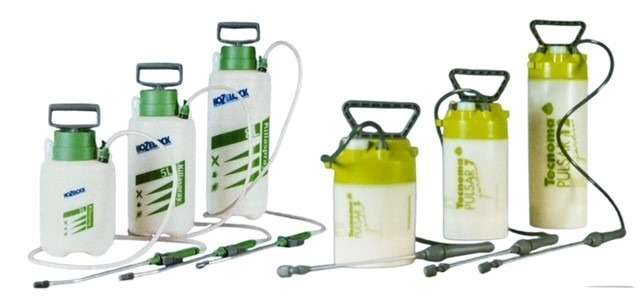
Clean spray bottle or garden sprayer
Distilled or filtered water
pH testing kit (if adjusting pH of the solution)
Steps:
Choose the Right Time:
Optimal times for foliar spraying are early morning or late evening. Avoid direct sunlight to prevent leaf burns.
Prepare the Solution:
Mix the foliar spray solution according to the product instructions or your specific plant needs. Use distilled or filtered water for the solution.
pH Adjustment (if necessary):
Check and adjust the pH of the solution if needed. Cannabis generally prefers a pH range between 6.0 and 7.0.
Test Spray:
Before applying to the entire plant, perform a test spray on a single leaf. This helps ensure that the solution does not cause damage or adverse reactions.

Coverage:
Ensure thorough coverage by spraying the entire plant, focusing on both the upper and lower surfaces of leaves. Avoid spraying directly on buds.
Undersides of Leaves:
Pay special attention to the undersides of leaves where pests like spider mites tend to hide, and where more stomata are located.
Temperature Considerations:
Avoid spraying during extremely hot or cold temperatures. Ideal conditions facilitate better absorption.
Weather Conditions:
Refrain from spraying during bad weather, such as rain or strong winds. Wait for favorable conditions to ensure the effectiveness of the spray.
Ventilation (Indoor Growing):
If growing indoors, consider turning off ventilation for an hour or two after spraying to allow the solution to be absorbed without disturbances.
Repeat as Needed:
Depending on the purpose of the foliar spray (nutrient supplementation, pest control, etc.), repeat the application as recommended on the product label or as needed.
Monitor Plant Response:
Regularly monitor the plant’s response to the foliar spray. Watch for signs of improvement or any adverse reactions.
Remember to use appropriate products for your specific goals (nutrient deficiencies, pest control, etc.) and follow recommended dosage instructions. Additionally, tailor your foliar spray regimen to the specific needs and growth stages of your cannabis plants.
Choosing the best foliar spray for cannabis depends on the specific needs of your plants, whether it’s addressing nutrient deficiencies, pests, or enhancing overall health.

Foliar sprays in cannabis cultivation – Here are some popular and effective foliar sprays for cannabis:
General Purpose Nutrient Foliar Sprays:
Maxicrop Liquid Seaweed: A seaweed-based foliar spray that provides essential nutrients and growth-promoting hormones.
General Hydroponics FloraBlend: A blend of plant and seaweed extracts designed to enhance plant vitality and encourage nutrient uptake.
Microbial Inoculants:
Mammoth P: Contains beneficial bacteria and fungi to improve nutrient cycling and root health.
Great White Mycorrhizae: A mycorrhizal inoculant that establishes a beneficial relationship between the plant roots and fungi, aiding in nutrient absorption.
Pest Control Foliar Sprays:
Neem Oil: Effective against a variety of pests. It acts as a repellent and disrupts the life cycle of insects.
Azamax: Contains azadirachtin, a compound derived from neem oil, with strong insecticidal properties.
Safer Brand Insect Killing Soap: A natural insecticidal soap that controls pests like aphids, spider mites, and whiteflies.
Fungicides:
Serenade Garden Disease Control: Utilizes a beneficial bacterium to combat fungal diseases such as powdery mildew.
Actinovate: Contains beneficial microorganisms that help prevent and control various fungal diseases.
Plant Growth Regulators:
Optic Foliar Switch: A plant growth regulator designed to enhance flowering and fruiting.
Dynasty Plant Growth Regulator: A foliar spray that promotes lateral branching and can increase yield.
Remember to follow the product instructions carefully, including recommended dilution ratios and application frequencies. Additionally, consider the specific needs of your cannabis plants, the stage of growth, and environmental conditions when selecting a foliar spray. It’s advisable to test any new product on a small area before applying it to the entire crop to ensure compatibility and avoid any adverse reactions.

https://www.dutchfem.com/the-most-common-infections-in-cannabis-plants/
https://www.dutchfem.com/pk13-14-for-cannabis-flowering-stimulation/
https://www.dutchfem.com/nutrient-lockout-in-cannabis-cultivation/









You must be logged in to post a comment.