


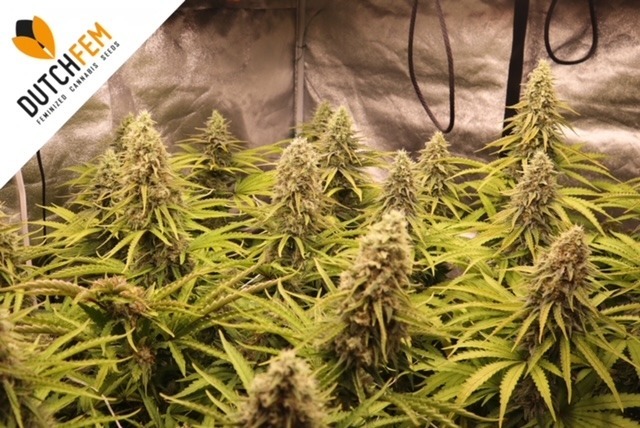
The Flowering of Cannabis Plants
Welcome to our comprehensive guide on maximizing the flowering of cannabis plants! Whether you’re a seasoned grower with years of experience under your belt or just starting out on your journey to cultivating the perfect crop, understanding the intricacies of the flowering stage is crucial for achieving optimal yields and potency. In this blog, we’ll take you on a deep dive into the world of cannabis flowering, exploring when cannabis plants naturally enter this crucial phase of growth and why providing a period of darkness is essential to kickstart the flowering process.
- Part 1 Understanding the flowering of cannabis
- Part 2: When Do Cannabis Plants Go into Bloom?
- Part 3: When to Transition Your Indoor Cannabis to Flowering
- Part 4: Why Provide 24 Hours of Darkness at the Start?
- Part 5: Choosing the Best Method to Initiate Cannabis Flowering

Part 1: Understanding the flowering of cannabis
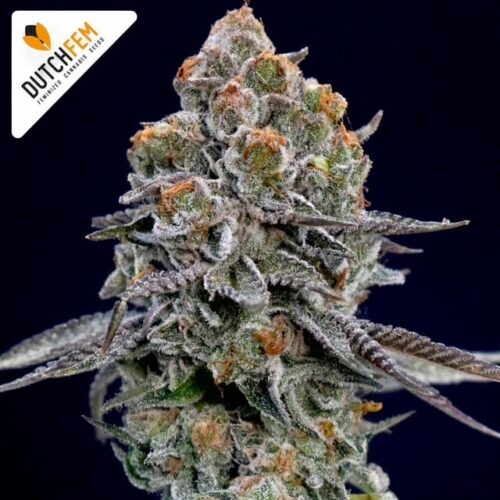
The flowering stage is a pivotal moment in the lifecycle of a cannabis plant. It marks the transition from vegetative growth to the production of flowers, which contain the coveted cannabinoids, terpenes, and other compounds that make cannabis such a valuable crop. Whether you’re growing cannabis for personal use or as part of a larger commercial operation, maximizing flower production is key to achieving the desired outcome—whether that’s potent buds for medicinal purposes or top-shelf flower for the recreational market.
But before we delve into the specifics of how to optimize cannabis flowering, let’s first explore when and why cannabis plants naturally enter the flowering stage. Unlike many other plants that rely on seasonal changes in day length to trigger flowering, cannabis is what’s known as a “short-day” or “long-night” plant. This means that cannabis plants initiate flowering in response to a reduction in the number of daylight hours they receive.
In their natural habitat, cannabis plants typically begin flowering as the days grow shorter and nights grow longer, signaling the approach of fall and the onset of colder weather. This shift in the light cycle triggers a cascade of hormonal changes within the plant, leading to the development of flower buds. However, when cultivating cannabis indoors, growers have the ability to manipulate the light cycle to induce flowering at any time of year.
One common method used by indoor growers to initiate the flowering stage is to switch the light cycle from a period of 18 hours of light and 6 hours of darkness (18/6) to a 12/12 cycle, where the plants receive 12 hours of uninterrupted darkness and 12 hours of light each day. This abrupt reduction in light hours signals to the plants that it’s time to start flowering, and they begin to redirect their energy towards the production of flowers.
But why is it important to provide a period of darkness to kickstart the flowering process? The answer lies in the intricate interplay of hormones and environmental cues that regulate plant growth and development. During the vegetative stage, cannabis plants focus their energy on building strong stems and lush foliage, preparing themselves for the reproductive phase of their lifecycle. However, it’s only when they receive a signal that conditions are right for flowering—such as a reduction in light hours—that they shift their focus towards producing flowers.
In the next section of this guide, we’ll delve deeper into the importance of the dark period in cannabis flowering, exploring how it influences hormonal changes within the plant and sets the stage for robust flower development. So whether you’re a beginner looking to optimize your first harvest or an experienced grower seeking to fine-tune your techniques, join us as we unlock the secrets to maximizing cannabis flowering and unlocking the full potential of your crop.

Part 2: When Do Cannabis Plants Go into Bloom?
The transition from vegetative growth to the flowering stage is a critical moment in the life cycle of a cannabis plant. Unlike many other plants that rely on external environmental cues such as temperature or soil conditions to initiate flowering, cannabis primarily responds to changes in light cycles. Understanding when cannabis plants naturally enter the flowering stage is essential for growers to optimize their cultivation practices and maximize yields.
In their natural habitat, cannabis plants begin to flower as the days shorten and nights lengthen, signaling the approach of fall and the onset of colder weather. This reduction in daylight hours serves as a trigger for hormonal changes within the plant, shifting its focus from vegetative growth to the production of flowers. However, when grown indoors, growers have the ability to manipulate the light cycle to induce flowering at any time of year.
The standard practice for initiating the flowering stage indoors is to switch the light cycle from a period of 18 hours of light and 6 hours of darkness (18/6) to a 12/12 cycle. This means providing the plants with 12 hours of uninterrupted darkness followed by 12 hours of light each day. By mimicking the natural changes in day length that occur as summer transitions to fall, growers can effectively signal to the plants that it’s time to start flowering.
But why is the 12/12 light cycle so crucial for inducing flowering in cannabis plants? The answer lies in the plant’s genetic makeup and evolutionary adaptations. Cannabis is what’s known as a “short-day” or “long-night” plant, meaning it initiates flowering in response to a reduction in the number of daylight hours it receives. When the plant senses that the days are getting shorter and nights are getting longer, it interprets this as a signal that fall is approaching and it’s time to start reproducing.
The shift to a 12/12 light cycle effectively simulates the onset of fall and triggers the flowering process in cannabis plants. During the 12 hours of uninterrupted darkness, the plant undergoes a series of physiological changes, including the production of flowering hormones such as ethylene and gibberellins. These hormones play crucial roles in regulating the transition from vegetative growth to flower production, orchestrating the development of flower buds and the onset of blooming.
It’s important to note that while the 12/12 light cycle is the standard method for inducing flowering, some growers may choose to experiment with different light cycles or supplemental lighting techniques to achieve specific results. For example, certain strains may respond better to longer or shorter dark periods, and adjusting the light cycle accordingly can help optimize flower production and quality.
The flowering stage of cannabis plants is triggered by changes in light cycles, with the transition to a 12/12 light cycle signaling the onset of bloom. By understanding the natural cues that govern flowering and providing the appropriate light conditions, growers can effectively induce flowering in their cannabis plants and unlock the full potential of their crop. In the next section of our guide, we’ll explore the importance of providing a period of darkness at the start of the flowering stage and its impact on flower development.

Part 3: When to Transition Your Indoor Cannabis to Flowering
Determining the optimal time to transition your indoor cannabis plants to the flowering stage is crucial for achieving the best possible results in terms of yield, potency, and overall plant health. While the decision ultimately depends on various factors such as the specific strain being grown, the size and growth rate of the plants, and your cultivation goals, there are some general guidelines that can help you make an informed choice.
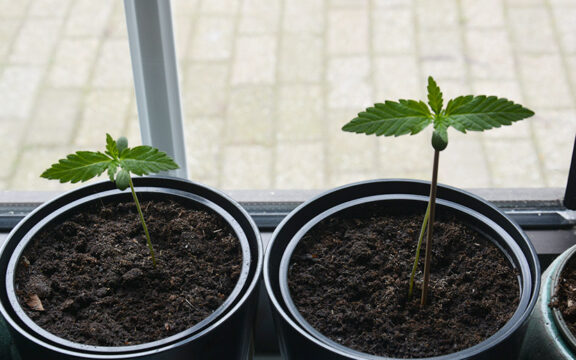
- Vegetative Growth Phase: Before considering when to initiate flowering, it’s essential to ensure that your cannabis plants have completed an adequate period of vegetative growth. During this phase, plants focus on developing robust root systems and lush foliage to support future flower production. Most growers aim for their plants to reach a certain size or maturity level before transitioning to flowering, typically characterized by a well-established root system and several sets of healthy leaves. This takes minimum 2 to 3 weeks.
- Size and Space Considerations: The size of your grow space and the intended final height of your plants are crucial factors to consider when deciding when to transition to flowering. Cannabis plants can experience significant growth during the flowering stage, doubling or even tripling in size in some cases. Therefore, it’s essential to ensure that your plants have enough space to accommodate their anticipated growth without overcrowding or light obstruction issues.
- Light Cycle Manipulation: In indoor cultivation, the transition to the flowering stage is typically initiated by adjusting the light cycle to a 12 hours of light and 12 hours of uninterrupted darkness (12/12) schedule. This mimics the natural changes in day length that occur as summer transitions to fall, signaling to the plants that it’s time to start flowering. Once you’re ready to induce flowering, simply adjust your grow lights to provide the appropriate light cycle.
- Flowering Stretch: Keep in mind that cannabis plants will undergo a period of rapid vertical growth known as the flowering stretch during the first few weeks of the flowering stage. This growth spurt can vary depending on the strain and environmental conditions but generally lasts for 1-3 weeks after the onset of flowering. Plan accordingly by adjusting your grow space and training techniques to accommodate the increased height of your plants.
- Personal Preference and Goals: Ultimately, the decision of when to transition your indoor cannabis plants to flowering should be guided by your personal preferences as a grower and your specific cultivation goals. Some growers may prefer to allow their plants to grow larger during the vegetative stage to maximize yields, while others may prioritize a shorter overall growth cycle for faster turnaround times. Consider factors such as desired harvest size, potency, and flowering time when making your decision.
In conclusion, determining the optimal time to transition your indoor cannabis plants to flowering requires careful consideration of various factors, including vegetative growth phase, size and space considerations, light cycle manipulation, and personal cultivation goals. By taking these factors into account and making informed decisions based on your specific circumstances, you can ensure a successful transition to the flowering stage and ultimately achieve the best possible results with your indoor cannabis crop.

Part 4: Why Provide 24 Hours of Darkness at the Start?
While the standard practice for inducing flowering in cannabis plants involves providing 12 hours of uninterrupted darkness followed by 12 hours of light, some growers choose to implement a period of 24 hours of darkness at the beginning of the flowering stage. This technique, commonly referred to as “the dark period,” has gained popularity among cultivators for its potential to jumpstart the flowering process and enhance overall bud development. Let’s explore the reasons behind this approach and its potential benefits in more detail.
- Stress Induction: One of the primary reasons for providing 24 hours of darkness at the start of the flowering stage is to induce mild stress in the plants. Stress plays a crucial role in triggering physiological responses that can influence growth and development. By subjecting the plants to a prolonged period of darkness, growers stimulate a stress response that prompts the plants to prioritize flower production as a survival mechanism. This heightened stress can lead to increased vigor and productivity during the flowering phase.
- Hormonal Shift: Darkness triggers a shift in hormonal balance within the plant, specifically promoting the production of flowering hormones such as ethylene and gibberellins. These hormones are key players in initiating and regulating the flowering process. By providing 24 hours of darkness, growers effectively amplify the production of these hormones, signaling to the plant that it’s time to transition into the reproductive phase. This hormonal shift kickstarts the development of flower buds and sets the stage for robust flowering.
- Synchronization: Another benefit of providing 24 hours of darkness at the start of the flowering stage is the synchronization of plant development. Cannabis plants are highly responsive to environmental cues, including light cycles, and their growth and flowering patterns can be influenced by these factors. By subjecting all plants to a period of extended darkness simultaneously, growers ensure that the plants’ internal clocks are synchronized. This synchronization helps to coordinate flowering onset and promotes the development of uniform flower clusters across the crop.
- Increased Bud Development: The dark period encourages cannabis plants to divert their energy towards bud development. With no light available for photosynthesis, the plants allocate resources towards producing larger, denser flowers with higher concentrations of cannabinoids and terpenes. This results in a more potent and flavorful end product. Additionally, the stress-induced by the dark period can stimulate trichome production, further enhancing the quality of the final harvest.
- Pest and Disease Prevention: Providing 24 hours of darkness at the start of the flowering stage can also help minimize the risk of pest infestations and fungal diseases. Pests and pathogens are more likely to target plants during the vegetative stage when they have lush foliage and are actively growing. By reducing light exposure during the critical transition phase, growers create less favorable conditions for pests and diseases, reducing the likelihood of infestations and crop damage.
In conclusion, providing 24 hours of darkness at the start of the flowering stage offers several potential benefits for cannabis growers. From inducing stress and hormonal shifts to promoting synchronization and enhancing bud development, this technique can help optimize the flowering process and ultimately lead to higher yields of premium-quality cannabis. However, it’s essential to carefully monitor plants during the dark period and ensure that they remain healthy and resilient throughout the transition phase. With proper care and attention, the dark period can be a valuable tool in the cannabis cultivator’s toolkit for maximizing flower production and quality.

Part 5: Choosing the Best Method to Initiate Cannabis Flowering
When it comes to initiating the flowering stage in cannabis, growers have two primary options: an immediate transition to a 12/12 light cycle or a gradual reduction of light hours over time. Both methods have their merits and can be effective, but the best approach depends on a variety of factors unique to your growing setup and preferences as a cultivator.
Immediate Transition to 12/12: One common method for inducing flowering in cannabis involves immediately switching the light cycle from a vegetative phase (typically 18 hours of light and 6 hours of darkness) to a 12/12 cycle. This abrupt change signals to the plants that it’s time to begin flowering, and they respond by shifting their focus from vegetative growth to the production of flowers. This approach is straightforward and preferred by many growers for its simplicity and efficiency.
Advantages of Immediate Transition:
- Simplicity: Switching directly to a 12/12 light cycle is a straightforward process that requires minimal adjustment to your grow room setup.
- Synchronization: This method ensures that all plants enter the flowering stage simultaneously, making it easier to manage and maintain uniformity across your crop.
- Space Optimization: By immediately transitioning to 12/12, growers can maximize space utilization in their grow area, allowing for more efficient use of available resources.
Gradual Reduction of Light Hours: Alternatively, some growers prefer to gradually reduce the number of light hours over a period of several days or weeks to initiate flowering. For example, you might start by reducing the light cycle from 18/6 to 16/8 for a few days, then to 14/10, before finally settling on a 12/12 cycle. This gradual approach can help minimize stress on the plants and promote a smoother transition into the flowering stage.
Advantages of Gradual Reduction:
- Stress Reduction: Gradually reducing light hours can help minimize stress on the plants, particularly if they are sensitive to changes in light cycles. This approach may reduce the risk of issues such as hermaphroditism or stunted growth.
- Temperature Control: For growers using high-intensity lights that emit significant heat, a gradual reduction of light hours can help prevent temperature spikes that could stress the plants or damage delicate foliage.
- Flexibility: Experienced growers may appreciate the flexibility afforded by a gradual transition, allowing them to fine-tune the light cycle based on the specific needs of their plants and growing environment.
Factors to Consider:
- Plant Sensitivity: Some cannabis strains may be more sensitive to changes in light cycles than others. Consider the individual characteristics of your plants before deciding on a method.
- Grow Room Setup: Your grow room’s layout, lighting equipment, and environmental conditions can influence which method is best suited to your needs.
- Grower Experience: Your level of experience as a grower may also play a role in determining the most suitable approach. Beginners may prefer the simplicity of an immediate transition, while experienced growers may opt for the flexibility of a gradual reduction of light hours.
In conclusion, both immediate transition to a 12/12 light cycle and gradual reduction of light hours are viable options for initiating the flowering stage in cannabis. Experimentation and observation are key—pay close attention to how your plants respond to each method and adjust your strategy accordingly to maximize the potential of your crop. By considering factors such as plant sensitivity, grow room setup, and grower experience, you can choose the method that best suits your needs and preferences as a cultivator.
PK13/14 for Cannabis Flowering Stimulation
The Importance of the Dark Cycle in Cannabis Cultivation
Maximizing Yield: The Art of Topping Cannabis Plants
Dutchfem Grow Reports by InWithGrows on Twitter
Dutchfem Grow Reoprts on Growdiaries



























You must be logged in to post a comment.