


Growing Cannabis Seeds with the lights on 12/12 Start to Finish – Forced Flowering Method
Forced Flowering: 12/12 method. The world of cannabis cultivation offers various techniques to maximize yield, optimize space, and reduce the time from seed to harvest. One such method is the 12/12 start-to-finish technique, also known as “forced flowering.” This approach can produce high-quality, resinous flowers while saving both space and time, making it ideal for growers with limited resources. This comprehensive guide will explore the ins and outs of the 12/12 method, its benefits, and practical steps to implement it successfully.
Understanding the 12/12 Method
The 12/12 method involves exposing cannabis plants to 12 hours of light and 12 hours of darkness from the moment the seeds germinate. Traditionally, cannabis growers provide seedlings with 18-24 hours of light during the vegetative stage and then switch to 12/12 to trigger flowering. By starting with the 12/12 light cycle, the plants are forced to flower much earlier, thus shortening the overall growth cycle.
Why Choose the 12/12 Method?
- Space Efficiency: This technique is perfect for those with limited growing space. The plants typically remain smaller due to the reduced vegetative period.
- Time Saving: The overall time from seed to harvest is significantly reduced, allowing for quicker turnaround and multiple harvests in a year.
- Cost-Effective: Lower electricity consumption due to shorter light periods results in cost savings.
- Simplicity: The 12/12 method simplifies the growing process, particularly for novice growers, by eliminating the need to manage different light schedules.
Benefits of Forced Flowering
Forced flowering marijuana using the 12/12 method can produce excellent quality, resinous flowers comparable to those grown using traditional methods. Here are some key benefits:
Faster Harvest
Since the vegetative stage is minimal or bypassed altogether, plants transition to flowering sooner, significantly reducing the time needed to harvest. This method can cut down the growth cycle to as little as 8-10 weeks, depending on the strain.
Compact Plants
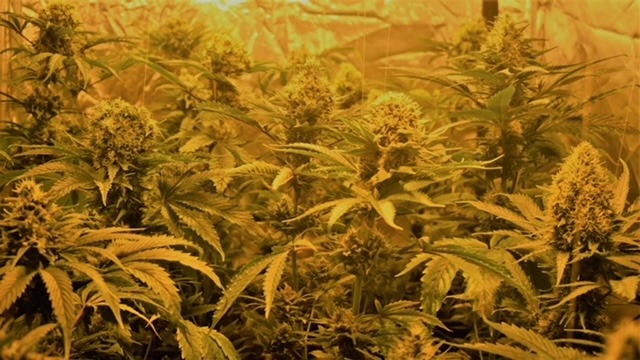
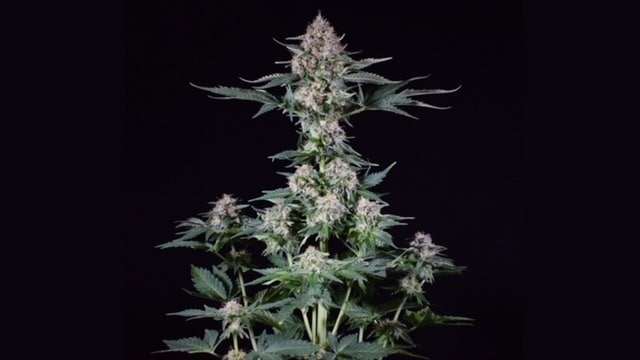
The reduced vegetative growth means that plants will not grow as tall or wide, making them more manageable in confined spaces like closets, small grow tents, or micro grows. This compact growth is ideal for discreet growing environments.
High-Quality Buds
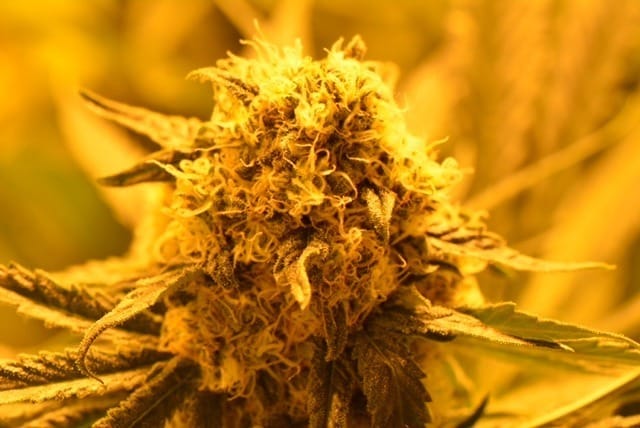
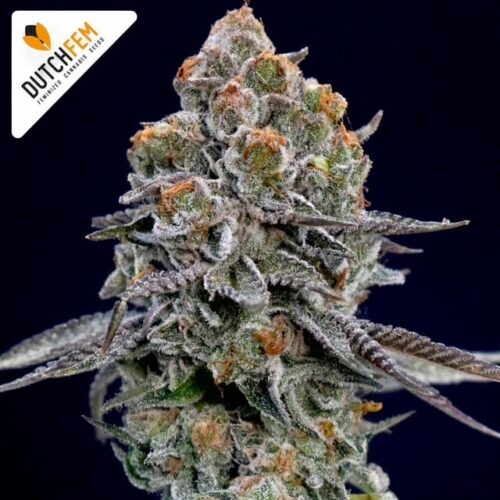
Despite the shorter lifecycle, the 12/12 method can still produce dense, resinous buds with high cannabinoid content. With proper care and optimal growing conditions, the quality of the final product can be exceptional.
Cost Savings
Lower energy consumption is a significant advantage. Since plants are exposed to light for only 12 hours a day from the start, the electricity costs are lower compared to traditional methods that require up to 24 hours of light during the vegetative stage.
Getting Started with the 12/12 Method
Implementing the 12/12 method requires attention to detail and proper planning. Here’s a step-by-step guide to help you get started:
Choosing the Right Strain
While the 12/12 method can be used with most cannabis strains, some are better suited to this approach. Indica-dominant strains, autoflowering varieties, and strains known for their robustness and resilience tend to perform well under these conditions. Research and select strains that are known for their fast flowering times and compact growth.
Germination
Begin by germinating your seeds using your preferred method (e.g., paper towel, water soak, or directly in soil). Once the seeds have sprouted and the seedlings have developed a few sets of true leaves, they can be transferred to their final growing medium.
Setting Up Your Grow Space
Lighting
Invest in a quality grow light that can provide sufficient intensity for flowering. LED lights are an excellent choice due to their efficiency and spectrum control. Ensure your light timer is set to a 12/12 schedule from the moment you plant your seeds.
Grow Medium
Choose a suitable grow medium, such as soil, coco coir, or hydroponics, based on your preference and experience level. Each medium has its own set of advantages and requirements for nutrients and watering.
Containers
Use appropriately sized containers to accommodate the plants’ root systems. Since plants will remain relatively small, containers of 1-3 gallons should suffice.
Nutrients and Watering
During the early stages, seedlings require minimal nutrients. Start with a light feeding schedule and gradually increase nutrient strength as the plants grow. Use a balanced nutrient solution designed for cannabis, and be sure to adjust the nutrient mix as the plants transition into full flowering.
Environmental Control
Maintain optimal temperature and humidity levels within your grow space. Cannabis plants typically thrive at temperatures between 70-85°F (20-29°C) during the light period and slightly cooler temperatures during the dark period. Humidity levels should be kept around 60-70% during the early stages, gradually reducing to 40-50% during flowering to prevent mold and mildew.
Training Techniques
Even with the 12/12 method, you can apply various training techniques to maximize yield and improve light penetration:
- Low-Stress Training (LST): Gently bend and tie down branches to create an even canopy.
- Topping/FIMing: Remove the top growth tip to encourage bushier growth.
- SOG (Sea of Green): Due to the relatively short growth phase of this method, SOG is ideally suited to try out with 12/12.
Monitoring and Maintenance
Regularly monitor your plants for signs of nutrient deficiencies, pests, or diseases. Promptly address any issues to ensure healthy growth. Maintain a clean grow space to prevent pests and pathogens from taking hold.
Harvesting
When the flowering period nears its end, check the trichomes on your buds using a magnifying glass or microscope. Harvest when the trichomes are mostly milky with some amber for a balanced effect. This typically occurs 8-10 weeks after the initial light switch, depending on the strain.
Troubleshooting Common Issues
Stretching
Plants may stretch excessively if the light is too far away or not intense enough. Ensure your grow light is positioned at the appropriate distance and provides adequate intensity for flowering.
Nutrient Burn
Overfeeding can lead to nutrient burn, characterized by yellowing and burnt leaf tips. Always start with a lower nutrient concentration and gradually increase as needed.
Pests and Diseases
Maintaining a clean grow environment and regularly inspecting plants can help prevent pest infestations and diseases. Use organic pest control methods and fungicides if necessary.
Conclusion
The 12/12 start-to-finish method is a fantastic way to grow cannabis for those with limited space and time. By forcing plants to flower from the moment they germinate, you can produce high-quality, resinous buds while saving on costs and resources. This method simplifies the growing process, making it accessible to both novice and experienced growers alike.
Whether you’re a hobbyist looking to grow a personal stash or a small-scale cultivator aiming for efficiency, the 12/12 method offers a practical and effective solution. By following the steps outlined in this guide, you can successfully implement this technique and enjoy the benefits of quicker harvests and compact, manageable plants. Happy growing!
SOG Sea of Green Cultivation guide
The Art and Science of Low-Stress Training (LST)








You must be logged in to post a comment.