
A Comprehensive Guide to Cannabis Pruning: Techniques and Timing for Optimal Growth and Flowering
Cannabis cultivation is both an art and a science, and one crucial aspect of mastering this craft is understanding when and how to prune your plants. Pruning plays a pivotal role in shaping the structure of cannabis plants, promoting better light penetration, maximizing yields, and enhancing overall plant health. In this comprehensive guide, we will delve into the art of cannabis pruning, exploring the best techniques and the optimal timing for each stage of growth.
Why Prune Cannabis Plants?
Pruning cannabis plants is not about simply cutting away random branches; rather, it’s a strategic process designed to create an ideal environment for optimal growth and maximum yields. Here are some key reasons why pruning is essential:
Improved Air Circulation and Light Penetration:
Pruning helps open up the canopy, allowing better airflow and light penetration. This is crucial for preventing mold and mildew while ensuring that every part of the plant receives adequate light.
Increased Yields:
By removing unnecessary foliage and redirecting energy to essential growth areas, pruning encourages the development of larger, denser buds. This can significantly increase the overall yield of your cannabis crop.
Shape and Structure Control:
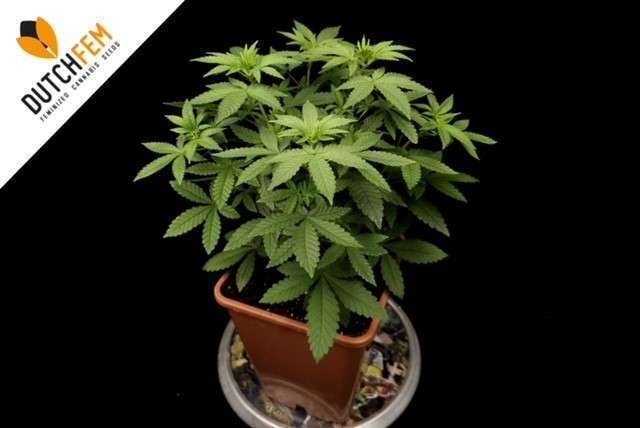
Pruning allows cultivators to shape the plant’s structure, creating a more bushy and even canopy. This, in turn, promotes an even distribution of energy and resources, resulting in a more balanced and robust plant.
 Stress Reduction:
Pruning removes excess growth, reducing the overall stress on the plant. This can be particularly beneficial during periods of rapid growth or when environmental stressors are present.
Disease Prevention:
Proper pruning helps prevent the development of diseases by improving air circulation and reducing humidity around the plant. This is especially crucial in preventing common cannabis issues like powdery mildew.
When to Prune Cannabis Plants:
Pruning cannabis plants should be approached with a well-defined schedule that takes into account the plant’s life cycle. The following guidelines outline when and how to prune cannabis plants at different stages:
Early Vegetative Stage (Weeks 1-3):
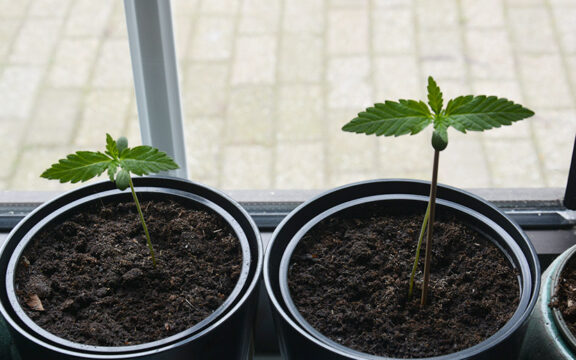
During the early vegetative stage, focus on promoting a robust and balanced structure. Pinch off or cut away the top growth when the plant has developed 3-5 nodes. This encourages the growth of lateral branches and a bushier shape.
Late Vegetative Stage (Weeks 4-6):
As the plant continues to develop, prune any unnecessary foliage in the lower canopy that is not receiving sufficient light. This redirects energy to the upper canopy where the most significant growth occurs.
Early Flowering Stage (Weeks 1-3 of Flowering):
Transitioning into the flowering stage, remove any remaining fan leaves blocking light to lower bud sites. This allows for better light penetration and encourages the development of larger, more potent buds.
Mid-Flowering Stage (Weeks 4-6 of Flowering):
Continue removing large fan leaves that may be blocking light and impeding airflow. However, be cautious not to stress the plant excessively, as it is more sensitive during the flowering stage.
Late Flowering Stage (Weeks 7-9 of Flowering):
Minimize pruning during the late flowering stage to avoid stressing the plant and negatively impacting bud development. Focus on removing only dead or yellowing leaves that may affect overall plant health.
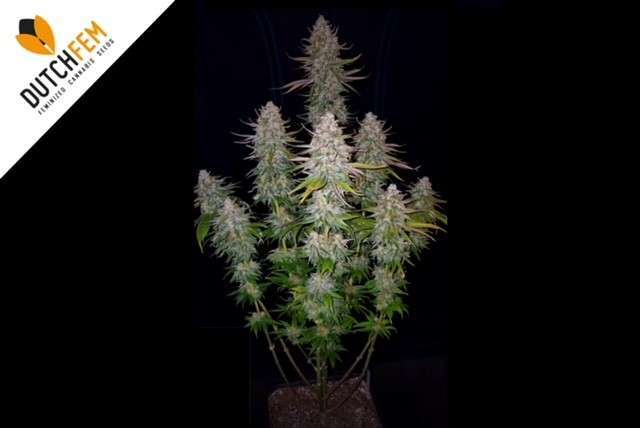
Pruning Techniques for Cannabis Plants:
Now that we’ve covered when to prune, let’s explore some essential pruning techniques for cannabis plants:
Topping:
Topping involves removing the apical meristem (the main stem’s tip), encouraging the growth of two new main stems. This technique results in a bushier plant with more colas.
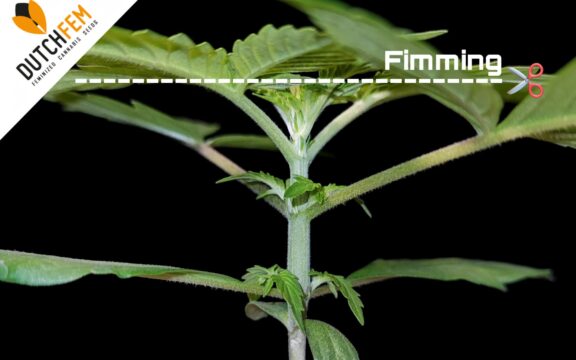
Fimming:
Similar to topping, fimming involves removing only a portion of the apical meristem, leaving more growth tips. This technique promotes a more rounded and bushy canopy.
LST (Low-Stress Training):
LST involves gently bending and tying down branches to create a more even canopy. This technique allows for better light distribution and encourages lateral growth.
Super Cropping:
Super cropping involves strategically damaging the plant’s stems without breaking them. This stress response strengthens the plant and encourages lateral growth.
Defoliation:
Defoliation entails removing large fan leaves during the flowering stage to expose bud sites to more light. This technique should be done sparingly to avoid undue stress.
Pruning cannabis plants is a nuanced and essential aspect of cultivation that requires careful consideration of timing and technique. By understanding the life cycle of your plants and employing the right pruning methods at each stage, you can enhance overall plant health, maximize yields, and ultimately produce high-quality cannabis. Experiment with different techniques to find what works best for your specific strain and growing conditions, and always monitor your plants closely for signs of stress or over-pruning. With patience and practice, mastering the art of cannabis pruning can elevate your cultivation skills to new heights.























You must be logged in to post a comment.