


Guide on Treating and Preventing the most Common Infections in Cannabis Plants: Spider Mites, Thrips, Whiteflies, Aphids, and Caterpillars
Cannabis cultivation can be a rewarding yet challenging endeavor, and one of the key challenges faced by growers is the threat of infections from various pests. Among the most common culprits are spider mites, thrips, whiteflies, aphids, and caterpillars. These pests can cause significant damage to cannabis plants, affecting their growth, yield, and overall health. In this comprehensive guide, we will delve into effective methods for treating and preventing each of these infections to ensure a successful and thriving cannabis garden.

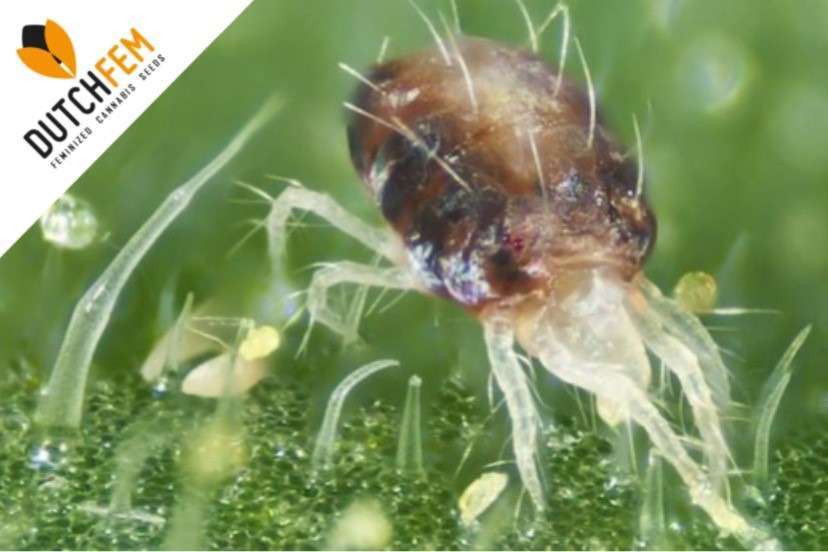
I. Spider Mites
(Red) Spider mites are tiny arachnids that feed on the sap of cannabis plants, causing stippling, discoloration, and webbing. They reproduce rapidly, making early detection and intervention crucial for successful control.
Identification:
Spider mites are often difficult to spot due to their small size. Look for (red) stippling on the leaves, tiny webs, and discoloration.
Treatment:
a. Biological Control: Introduce natural predators like predatory mites or ladybugs to control spider mite populations.
b. Neem Oil: A natural and effective remedy, neem oil disrupts the feeding habits of spider mites.
c. Insecticidal Soaps: Apply insecticidal soaps to suffocate and kill spider mites. Repeat applications may be necessary.
Prevention:
a. Maintain Humidity: Spider mites thrive in dry conditions, so maintaining a slightly higher humidity can deter their infestation.
b. Regular Inspections: Regularly inspect the underside of leaves for early signs of infestation.
c. Isolate Infected Plants: Quickly isolate infected plants to prevent the spread of spider mites to healthy ones.
II. Thrips
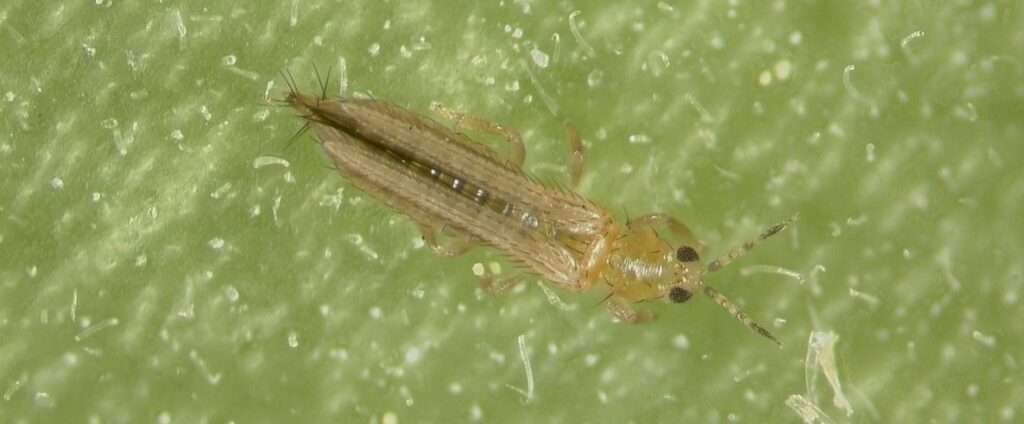
Thrips are small, slender insects that feed on cannabis plant sap, causing leaves to curl, discolor, and distort. They can transmit viruses, further compromising plant health.
Identification:
Thrips are usually identified by the silver or bronze streaks on leaves, curled leaves, and the presence of tiny, fast-moving insects.
Treatment:
a. Insecticidal Oils: Use neem oil or horticultural oils to smother and kill thrips.
b. Beneficial Insects: Introduce predatory insects like minute pirate bugs or predatory mites to control thrip populations.
c. Biological Pesticides: Utilize biological pesticides containing beneficial nematodes.
Prevention:
a. Sticky Traps: Place yellow or blue sticky traps to catch adult thrips.
b. Clean Environment: Maintain a clean growing environment to minimize hiding places for thrips.
c. Quarantine New Plants: Isolate new plants for a period to ensure they are thrip-free before introducing them to the entire garden.

III. Whiteflies
Whiteflies are small, flying insects that cluster on the underside of leaves, sucking sap and causing yellowing, wilting, and the transmission of plant viruses.
Identification:
Whiteflies are easily identified by their small size, white color, and characteristic hovering behavior when disturbed.
Treatment:
a. Insecticidal Soaps: Use insecticidal soaps to disrupt the life cycle of whiteflies.
b. Neem Oil: Neem oil can be effective against whiteflies, inhibiting their feeding and reproduction.
c. Biological Control: Encourage natural predators such as ladybugs, lacewings, and parasitic wasps.
Prevention:
a. Reflective Mulch: Whiteflies are repelled by reflective mulches, making them a useful preventive measure.
b. Companion Planting: Planting companion crops like marigolds and basil can help repel whiteflies.
c. Remove Infested Leaves: Promptly remove and destroy heavily infested leaves to prevent the spread of whiteflies.
IV. Aphids
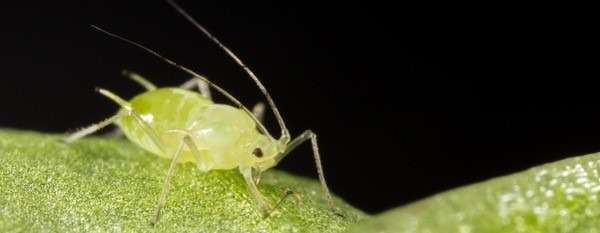
Aphids are small, soft-bodied insects that feed on plant sap, causing curling, yellowing, and stunted growth. They reproduce rapidly, making early intervention crucial.
Identification:
Aphids are typically found clustered on the new growth of plants and can be identified by their small size, pear-shaped bodies, and various colors.
Treatment:
a. Insecticidal Soaps: Apply insecticidal soaps to control aphid populations without harming beneficial insects.
b. Neem Oil: Neem oil disrupts the feeding and reproduction of aphids.
c. Beneficial Insects: Introduce ladybugs, lacewings, or parasitic wasps to prey on aphids.
Prevention:
a. Companion Plants: Planting aphid-repelling companion plants like nasturtiums and chives can deter aphid infestations.
b. Regular Inspections: Regularly inspect plants for signs of aphids and address any infestations promptly.
c. Avoid Over-fertilization: Aphids are attracted to lush, over-fertilized growth, so avoid excessive use of nitrogen-rich fertilizers.

V. Caterpillars
Caterpillars, the larval stage of moths and butterflies, can chew through leaves, causing significant damage to cannabis plants.
Identification:
Look for chewed leaves, fecal droppings, and the presence of caterpillars on the plants.
Treatment:
a. Handpicking: Physically remove caterpillars from plants and dispose of them.
b. Bt (Bacillus thuringiensis): Apply Bt, a naturally occurring bacterium, to kill caterpillars without harming other beneficial insects.
c. Insecticidal Soaps: Mild insecticidal soaps can be effective against small caterpillar infestations.
Prevention:
a. Row Covers: Use row covers to physically block adult moths from laying eggs on cannabis plants.
b. Beneficial Insects: Encourage natural predators such as parasitic wasps and predatory beetles to control caterpillar populations.
c. Crop Rotation: Practice crop rotation to disrupt the life cycle of caterpillars and reduce the risk of infestation.
Successfully treating and preventing infections on cannabis plants requires a proactive and integrated approach. Regular monitoring, early detection, and the use of natural remedies and beneficial insects can help maintain a healthy and thriving cannabis garden. By implementing these strategies, growers can minimize the impact of spider mites, thrips, whiteflies, aphids, and caterpillars, ensuring a bountiful harvest and the overall well-being of their cannabis plants.









You must be logged in to post a comment.