
The pros and cons of cannabis defoliation.
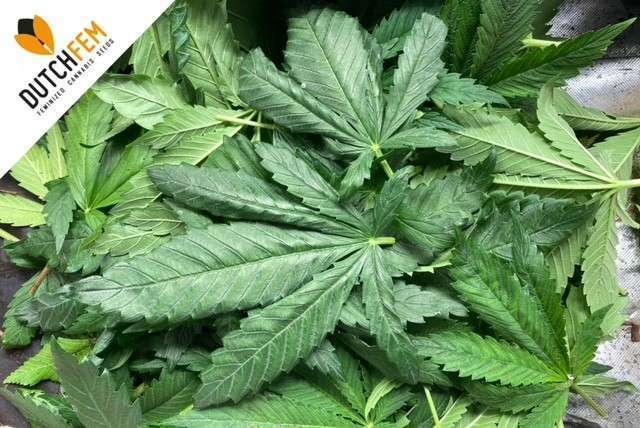
Defoliation is a controversial but often effective technique employed by some cannabis cultivators to enhance the growth and yield of their plants. While it may seem counterintuitive to remove leaves from a plant that relies on them for photosynthesis, defoliation can offer several advantages when done correctly.
Increased Light Penetration:
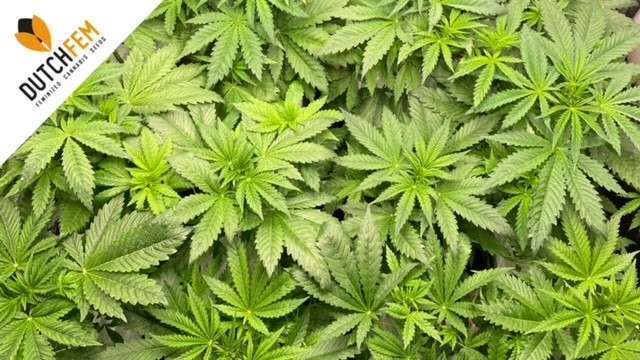
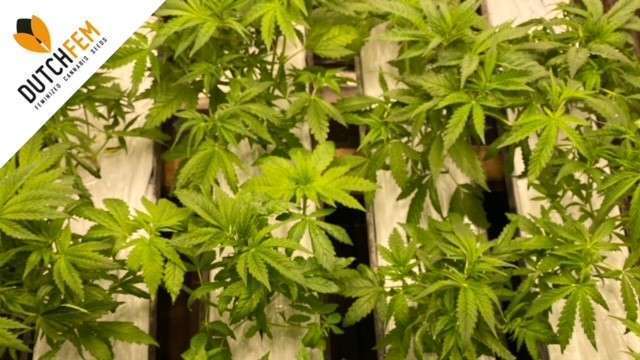
One of the primary benefits of defoliation is improved light penetration. By selectively removing some of the larger fan leaves, growers allow more light to reach the lower canopy and bud sites. This can lead to better overall bud development and increased yields, especially in indoor cultivation where light distribution can be a challenge.
Air Circulation:
Defoliating cannabis plants can also improve air circulation within the canopy. This helps prevent the development of mold, mildew, and other diseases that thrive in humid and stagnant conditions. Good air circulation is crucial for maintaining a healthy and disease-resistant crop.
Focus Energy on Bud Development:
By removing some of the excess foliage, the plant can redirect its energy and resources toward the development of buds. This can result in larger and denser flowers. This redirection of energy is particularly useful during the flowering stage when maximizing bud size and potency is a priority for many cultivators.
Controlled Canopy Growth:
Defoliation can be used as a tool to control the overall growth and shape of the cannabis plant. This is especially valuable in limited space situations or for cultivators aiming to achieve a specific canopy structure. By strategically removing certain leaves, growers can guide the plant’s growth and create a more even and manageable canopy.
Enhanced Nutrient Uptake:
With fewer leaves, the remaining ones are better positioned to receive nutrients, leading to improved nutrient uptake. This can contribute to healthier plants with a more efficient use of nutrients, potentially reducing the risk of nutrient deficiencies or excesses.
Despite these advantages, it’s crucial to approach defoliation with caution. Overdoing it or removing too many leaves at once can stress the plant and hinder its growth. The timing and extent of defoliation should be carefully considered based on the specific strain, growth stage, and environmental conditions. Additionally, not all cannabis cultivators endorse or practice defoliation, as some believe that the natural growth pattern of the plant should be left undisturbed. As with any cultivation technique, it’s essential for growers to experiment cautiously and observe the response of their plants to determine the most suitable approach for their specific conditions.
Harms and Risks of Cannabis Defoliation:
Stress on the Plant:
Defoliation can induce stress on the cannabis plant, especially if done excessively or during critical growth stages. Stress may lead to slowed growth, reduced yields, and an increased susceptibility to diseases. Careful consideration of the plant’s health and the timing of defoliation is crucial to mitigate these risks.
Disruption of Natural Processes:
Leaves play a vital role in photosynthesis, the process through which plants convert light into energy. Excessive defoliation can disrupt this natural process, potentially reducing the plant’s ability to produce energy and negatively impacting overall growth.
Increased Vulnerability to Environmental Stress:
Removing leaves can make the plant more susceptible to environmental stressors such as extreme temperatures or intense sunlight. Without the protective cover of leaves, the plant may struggle to regulate its temperature and water retention, leading to adverse effects on growth and development.
When to Defoliate:
Early Vegetative Stage:
Gentle defoliation can be performed during the early vegetative stage to encourage the development of lower branches. This sets the stage for a more balanced and bushy plant structure.
Transition to Flowering:
As the plant transitions to the flowering stage, a moderate defoliation can be implemented. This allows for better light penetration to the budding sites and promotes larger, more uniform colas.
Mid-Flowering Stage:
Some growers prefer a second defoliation during the mid-flowering stage, selectively removing larger fan leaves that may be shading developing buds. However, caution is essential at this stage to avoid unnecessary stress.
Avoid Late Flowering:
It’s generally advisable to avoid significant defoliation in the late flowering stage, especially close to harvest. The plant relies on its leaves for energy production during this critical phase.
Consider Strain and Health:
Different strains may respond differently to defoliation, so it’s essential to observe the specific characteristics of the plants being cultivated. Additionally, only healthy plants should undergo defoliation to minimize stress.
Cannabis defoliation is a cultivation technique that, when applied judiciously, can enhance yield and improve overall plant health. However, it is essential for cultivators to strike a balance and avoid excessive defoliation, which may lead to stress and hinder growth. Careful observation of the plant’s condition, consideration of growth stage, and adherence to best practices can help cultivators harness the benefits of defoliation while minimizing potential harms. As with any cultivation practice, experimentation and adaptation based on the unique needs of the individual plant are key to achieving the best results.
























You must be logged in to post a comment.