



Understanding Cannabis Seeds: Quality Indicators and Misconceptions
Cannabis cultivation starts with a critical step: selecting quality seeds. The choice of seed can greatly influence the plant’s growth, yield, and potency. However, there are common misconceptions about what constitutes a good cannabis seed. Many believe that size and color are definitive indicators of a seed’s potential, but this is not always true. This article will delve into the key characteristics of high-quality cannabis seeds and debunk some myths about their appearance.
• Hardness and Durability
• Surface Texture
• Pattern and Markings
• Debunking Myths: Size and Color of Cannabis Seeds
• Factors Affecting Seed Quality
• Types of Cannabis Seeds

Characteristics of Good Cannabis Seeds
1.0 Hardness and Durability
A viable cannabis seed should possess a firm and hard outer shell. This toughness is a key indicator of the seed’s maturity, suggesting that it has developed adequately and is primed for germination. Here’s a deeper look into why hardness and durability are critical:
- Indication of Maturity: A hard outer shell is a sign that the seed has reached full maturity. Mature seeds have had sufficient time to develop their internal structures and nutrients, which are essential for supporting the initial stages of plant growth. Immature seeds, by contrast, tend to have softer, less developed shells that may lack the robustness necessary for successful germination.
- Protection of Genetic Material: The hard shell acts as a protective barrier for the embryo inside the seed. This barrier safeguards the genetic material and the necessary nutrients from external damage, pests, and environmental stressors. A seed with a weak or brittle shell may be more susceptible to these threats, reducing its chances of successful germination and healthy growth.
- Testing Hardness: To test the hardness and durability of a cannabis seed, a simple method involves gently pressing the seed between your fingers. Apply moderate pressure; a good seed will resist this pressure and will not crack or crumble. This resistance is a sign that the seed is robust enough to withstand the rigors of the germination process and the initial stages of growth.
- Implications for Germination: Seeds with hard and durable shells are more likely to have a higher germination rate. This is because the integrity of the shell ensures that the internal structures remain intact and capable of supporting the development of the plant once germination begins.
- Long-term Storage Viability: Hard seeds are also more suitable for long-term storage. Their tough outer layer helps them remain viable for a longer period, provided they are stored under appropriate conditions—cool, dark, and with low humidity. This characteristic is especially important for growers who purchase seeds in bulk and need to store them for future planting.
In conclusion, the hardness and durability of a cannabis seed are critical indicators of its quality and potential for successful cultivation. By ensuring that the seeds you select are firm and resistant to pressure, you increase the likelihood of achieving a healthy and productive crop. Always prioritize seeds with these characteristics to lay a solid foundation for your cannabis growing endeavors.
By focusing on the hardness and durability of cannabis seeds, growers can make more informed choices and enhance their chances of cultivating strong, thriving plants. This characteristic, among others, plays a vital role in determining the success of the cultivation process from the very start.

2.0 Surface Texture
The surface texture of a cannabis seed is a reliable indicator of its quality and viability. Here’s an in-depth look at why this characteristic is important and how it can inform your seed selection process:
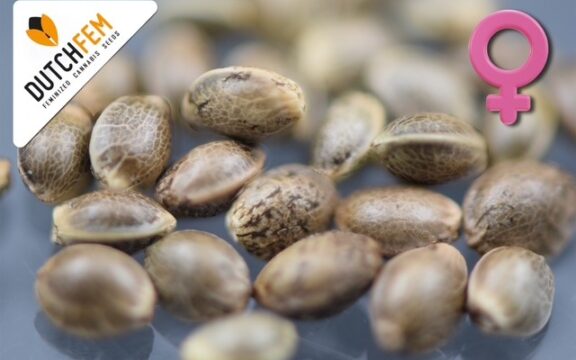
- Smooth and Glossy Appearance: High-quality cannabis seeds typically feature a smooth and glossy outer surface. This sheen is a sign of a healthy seed that has undergone proper maturation. The glossy texture suggests that the seed’s protective coating is intact, which is crucial for safeguarding the seed’s internal components until it is ready to germinate. A dull or matte surface may indicate that the seed is old or has been exposed to unfavorable conditions that could compromise its viability.
- Indication of Maturity: A smooth surface is often a result of the seed developing fully, meaning it has reached its peak potential for germination and growth. During the maturation process, the seed develops a protective layer known as the testa, which becomes smooth and hard as the seed matures. This layer not only protects the seed but also indicates that the seed has gathered the necessary nutrients and energy to support initial plant growth.
- Avoiding Seeds with Cracks or Holes: Seeds that have visible cracks or holes in their surface are generally to be avoided. These imperfections are often a sign that the seed is either old, has been damaged, or is immature. Cracks can expose the delicate inner structures of the seed to environmental stressors and pathogens, severely compromising its ability to germinate and develop into a healthy plant. Similarly, holes can indicate pest damage or poor handling, both of which reduce the seed’s potential for successful growth.
- Implications for Germination: Seeds with a smooth, intact surface are more likely to germinate successfully. The smooth texture ensures that the seed’s protective outer layer is uncompromised, which is essential for maintaining the internal environment needed for the seed to sprout. An intact surface helps the seed retain moisture and nutrients during the germination process, increasing the likelihood of a successful start.
- Assessment Method: When assessing the surface texture of cannabis seeds, it’s beneficial to inspect them closely under good lighting. Rotate the seed between your fingers to observe any imperfections or irregularities. Quality seeds will feel smooth to the touch and will exhibit a uniform texture across their surface. Avoid seeds that feel rough or have visible damage, as these are likely to have compromised viability.
- Correlation with Genetics: The surface texture can also provide clues about the genetic quality of the seed. Well-bred seeds from reputable sources will typically have a smooth and glossy appearance, reflecting the care taken in breeding and harvesting. Poorly bred seeds, or those that have not been harvested properly, may show signs of wear and tear, including rough surfaces and visible defects.
In summary, the surface texture of cannabis seeds serves as a valuable indicator of their quality. By choosing seeds that are smooth and glossy, and avoiding those with cracks or holes, growers can significantly enhance their chances of achieving a successful and productive cannabis crop. This focus on surface texture, combined with other key seed characteristics, lays a solid foundation for a fruitful cultivation experience.
By ensuring that your cannabis seeds have a smooth, glossy surface free of cracks and holes, you are taking a crucial step towards ensuring the health and success of your plants. This attention to detail in seed selection will ultimately contribute to a more robust and rewarding growing endeavor.

3.0 Pattern and Markings
The pattern and markings on cannabis seeds, often referred to as “tiger stripes,” can be an indicator of the seed’s maturity and genetic quality. Here’s a deeper exploration of why these features are significant and what they can reveal about the seed:
- Tiger Stripes and Speckles: Many healthy cannabis seeds display distinctive patterns, such as tiger-like stripes or speckles. These markings are typically brown or black and can vary in intensity. While these patterns are not a foolproof measure of a seed’s quality, they are a good sign that the seed has matured properly. The formation of these patterns is part of the seed’s natural development process, occurring as the seed coat hardens and takes on its final form.
- Sign of Maturity: The presence of patterns and markings generally indicates that the seed has reached full maturity. During the seed’s development, these markings form as a result of the genetic traits of the strain and the conditions under which the seed matured. A mature seed has had sufficient time to develop a thick, protective outer layer that supports successful germination and plant growth. Immature seeds, which often lack these markings, may not have developed the necessary internal structures for robust growth.
- Genetic Indicators: The specific patterns and markings can sometimes provide clues about the genetic lineage of the seed. Different cannabis strains may exhibit unique patterning, which can help experienced growers and breeders identify and select seeds from particular strains. However, while these visual traits can be helpful, they should not be the sole criterion for seed selection, as they do not guarantee genetic quality or plant health.
- Visual Clues for Health: Patterns and markings can also indicate the overall health of the seed. Seeds with clear, distinct markings are typically healthy and have been well cared for during their development and storage. Conversely, seeds with faded or inconsistent patterns might have been exposed to poor storage conditions or stress, which could affect their viability.
- Not a Definitive Indicator: It’s important to note that while patterns and markings can suggest a seed’s maturity, they are not definitive indicators of quality. Some cannabis seeds may lack these markings entirely due to genetic variation and still be perfectly viable. For example, seeds from certain strains, such as White Widow, may appear lighter and less marked but are still capable of producing healthy, vigorous plants.
- Additional Factors to Consider: When assessing the quality of cannabis seeds, patterns and markings should be considered alongside other factors such as hardness, surface texture, and overall seed integrity. Relying solely on visual patterns can be misleading, as even seeds without prominent markings can be healthy and productive if they possess the other key qualities of good seeds.
- Handling and Storage Impact: Proper handling and storage are critical for maintaining the integrity of the seed’s markings and overall health. Seeds that have been stored in optimal conditions (cool, dark, and dry environments) are more likely to retain their markings and remain viable for longer periods. Conversely, seeds that have been exposed to moisture, light, or temperature fluctuations may lose their markings and degrade in quality.
In conclusion, while the presence of tiger stripes and other markings on cannabis seeds can indicate maturity and health, they should not be viewed as the sole indicators of seed quality. These patterns provide useful visual clues, but should be evaluated in conjunction with other characteristics such as seed hardness, surface texture, and overall appearance. By taking a comprehensive approach to seed selection, growers can enhance their chances of cultivating healthy, high-yielding cannabis plants.

4.0 Debunking Myths: Size and Color of Cannabis Seeds
One common misconception is that the size and color of cannabis seeds indicate their quality and potential. However, several factors debunk this myth:
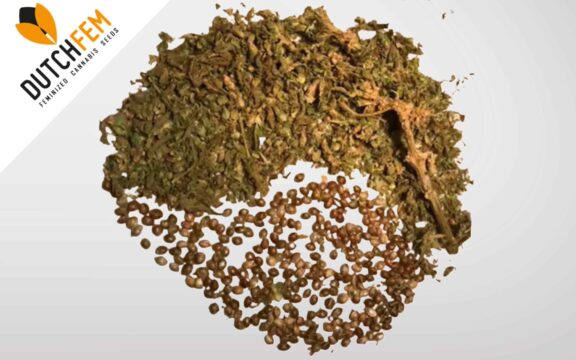
- Size: The size of a cannabis seed can vary widely depending on the strain. For instance, most haze varieties grow fast, robust and tall and often have the highest THC levels but Amnesia Haze seeds are often smaller than other strains. Despite their size, these seeds do produce robust, high-yielding plants. On the other hand, hemp seeds, which are used for industrial purposes, are typically the largest among cannabis seeds. Autoflowering cannabis seeds are generally bigger than regular and feminized seeds, yet this does not necessarily translate to better quality or higher yield.
- Color: The color of cannabis seeds ranges from light green to brown, with some seeds exhibiting darker hues. A common misconception is that darker seeds are better. However, strains like White Widow often produce seeds that are lighter or even white in color. It’s called white widow for a reason! This does not mean they are immature or inferior. The coloration is typically a genetic trait and does not reflect the seed’s viability or the potential of the plant it will grow into.

5.0 Factors Affecting Seed Quality
- Genetics: The genetic makeup of a cannabis seed is crucial. Seeds from reputable breeders with strong genetics will generally perform better than those from unknown sources.
- Storage Conditions: Proper storage is essential for maintaining seed viability. Cannabis seeds should be stored in a cool, dark place with low humidity. Poor storage conditions can lead to reduced germination rates and inferior plant development.
- Age: While seeds can remain viable for several years, fresher seeds generally have a higher germination rate. As seeds age, their ability to germinate diminishes.
- Breeding and Pollination: Seeds that result from controlled breeding and pollination are typically more reliable. Seeds from hermaphroditic motherplants or those that self-pollinate can lead to plants with undesirable traits.

6.0 Types of Cannabis Seeds
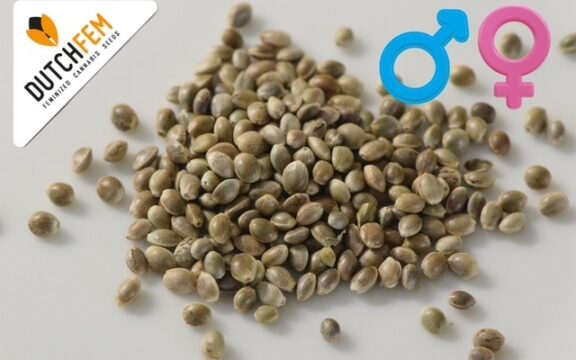
- Regular Seeds: These seeds can produce both male and female plants. They are typically favored by breeders who wish to produce new strains.
- Feminized Seeds: Feminized seeds are engineered to produce only female plants, which are the ones that produce the buds rich in cannabinoids. This is beneficial for growers who want to maximize their yield without worrying about male plants.
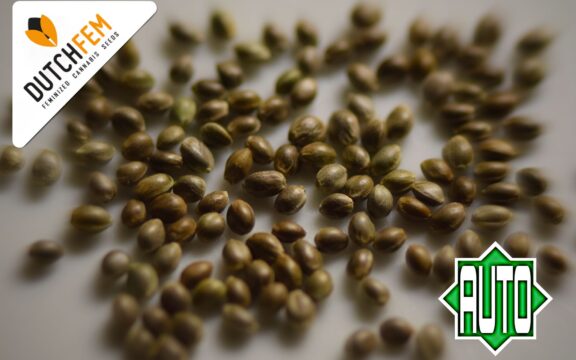
- Autoflowering Seeds: These seeds are designed to flower automatically after a certain period, regardless of the light cycle. They are ideal for growers looking for a quicker harvest.
- Hemp Seeds: These seeds are usually larger and are cultivated for industrial purposes like fiber and seed oil production, rather than for their cannabinoid content.

Conclusion Premium Quality Cannabis Seeds
Selecting the right cannabis seeds is a critical step in ensuring a successful cultivation process. While many growers might be tempted to judge a seed by its size and color, these attributes do not necessarily reflect the seed’s quality or potential. Instead, focus on factors such as seed hardness, surface texture, and germination rate. By understanding the true indicators of a good cannabis seed and debunking common myths, you can make more informed decisions and achieve better results in your cannabis cultivation efforts. You have already taken the first step towards obtaining good cannabis seeds by visiting our Dutchfem Seeds webshop. Here you will only find seeds of the best quality, of the finest strains and also with germination guarantee. On our website you will also find many blogs with useful tips on how to successfully germinate, grow, flower, harvest, dry and cure your favorite cannabis strain. Should you still have questions or need urgent assistance you can quickly get in touch with us via our live chat and/or all social media platforms, or just send an email to our customer support. We are always here to support you!

Premium Quality Cannabis Seeds
Dutch feminized cannabis seeds are considered the best in the world
What is the best way to store cannabis seeds?
The best cannabis seeds germination method
The most used methods for Germinating cannabis seeds
The Advantages of growing Feminized Cannabis Seeds


















You must be logged in to post a comment.