

Cultivating Healthy Cannabis Roots: A Comprehensive Guide to Promoting Root Growth and Preventing Root Rot in Cannabis
The success of a cannabis cultivation endeavor hinges on the health and vitality of the plant’s root system. Healthy cannabis roots not only support robust growth above ground but also play a crucial role in nutrient uptake and overall plant resilience. On the flip side, root rot—a common issue in cannabis cultivation—can wreak havoc on a crop, leading to stunted growth, nutrient deficiencies, and, in severe cases, plant death. In this comprehensive guide, we will explore the strategies and techniques to promote root growth and prevent root rot, ensuring a thriving and productive cannabis garden.
Understanding the Importance of Healthy Cannabis Roots
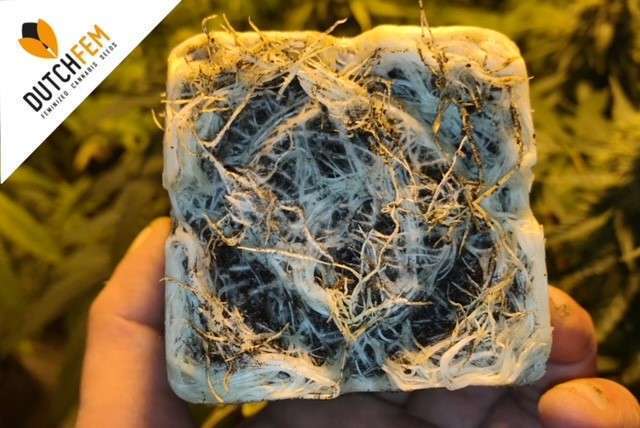
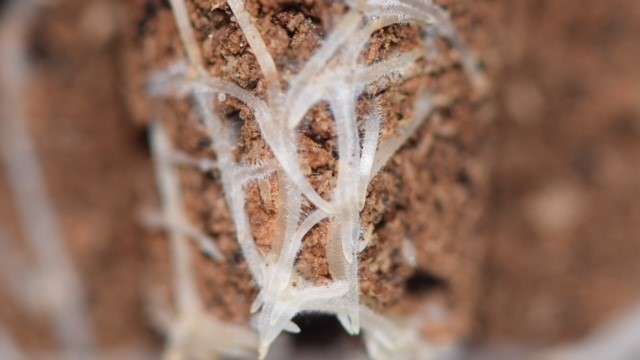
Before diving into specific methods for promoting root health, it’s essential to grasp the pivotal role roots play in the cannabis plant’s life cycle. Roots serve as the anchor for the plant, providing stability and support. Beyond structural support, roots are the primary means through which plants absorb water, nutrients, and oxygen from the growing medium. Healthy roots translate to efficient nutrient uptake and optimal water absorption, leading to vibrant vegetative growth and abundant flowering.
On the other hand, root rot poses a significant threat to cannabis plants. Root rot is typically caused by fungal pathogens, primarily species of Pythium, Fusarium, and Rhizoctonia. These pathogens thrive in overly wet and oxygen-deprived environments, compromising the root system’s ability to function. Preventing root rot is a proactive measure that involves maintaining a balanced and conducive growing environment for roots to flourish.
Promoting Root Growth: Strategies and Techniques
Choose the Right Growing Medium:
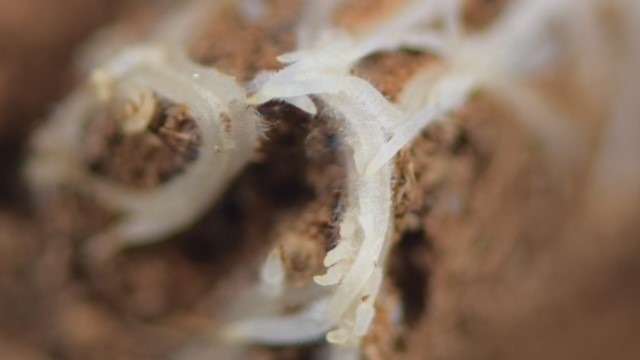
Selecting an appropriate growing medium is the foundation of promoting healthy root growth. Well-draining mediums, such as coco coir, perlite, and well-aerated soil mixes, encourage the development of a robust root system. These mediums strike a balance between water retention and drainage, preventing waterlogged conditions that can lead to root rot.
Provide Adequate Oxygenation:
Oxygen is vital for root health, and well-aerated growing mediums contribute to oxygen availability. In hydroponic systems, consider using air stones to oxygenate the nutrient solution. In soil-based cultivation, regular cultivation practices like loosening the soil and avoiding compaction can enhance oxygen penetration to the root zone.
Use Smart Pot Technology:
Smart Pots, fabric containers with breathable walls, promote air pruning of roots. When roots reach the container’s walls, they are air-pruned, encouraging the development of a denser and more fibrous root system. This prevents roots from becoming root-bound and enhances nutrient absorption.
Optimize Watering Practices:
Overwatering is a common cause of root rot. Implement a watering regimen that allows the growing medium to dry out between watering sessions. This prevents the accumulation of excess moisture, creating an environment conducive to root rot pathogens.
Employ Root Enhancers and Supplements:
Root-enhancing products containing beneficial bacteria and mycorrhizal fungi can stimulate root growth and improve nutrient uptake. These products establish symbiotic relationships with the plant roots, enhancing the root system’s overall health.
Maintain Appropriate pH Levels:
Root function is highly influenced by the pH of the growing medium. Ensure that the pH remains within the optimal range for nutrient uptake, typically between 6.0 and 6.5 for soil. Regular monitoring and adjustment of pH levels contribute to a healthy root environment.
Implement Regular Inspections:
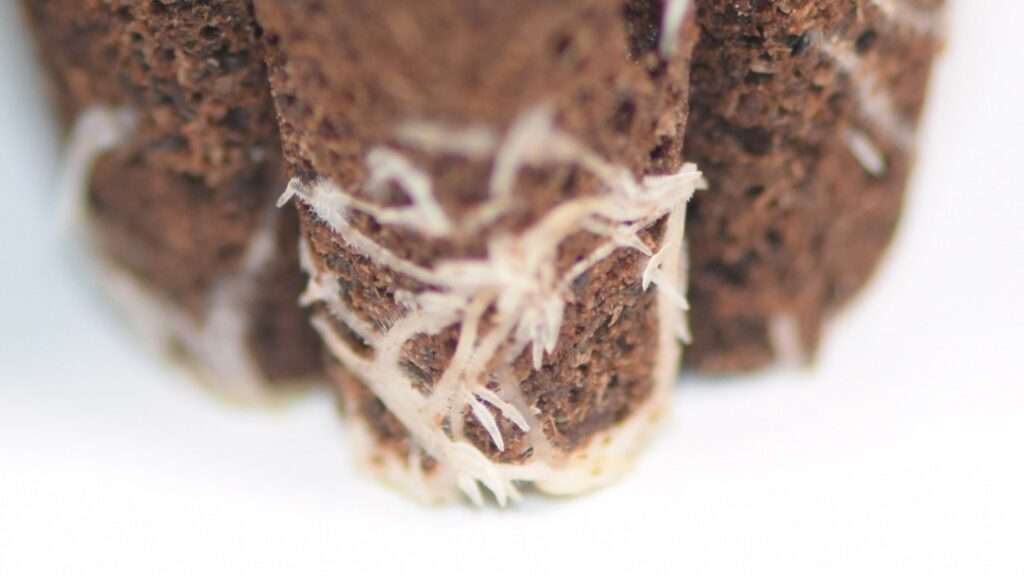
Vigilance is key to preventing and identifying potential issues early. Regularly inspect the roots for signs of discoloration, foul odors, or mushiness—common indicators of root rot. Prompt action can mitigate the spread of the disease.
Preventing Root Rot: Proactive Measures
Practice Proper Sanitation:
Start with a clean slate by sterilizing tools, containers, and the cultivation space before each growing cycle. Disinfecting equipment helps eliminate potential sources of root rot pathogens, reducing the risk of contamination.
Avoid Overcrowding:
Overcrowded grow spaces can limit airflow and create conditions favorable to fungal pathogens. Provide adequate spacing between plants to promote air circulation and reduce the risk of humidity buildup, which contributes to root rot.
Implement Integrated Pest Management (IPM):
Pests can serve as vectors for root rot pathogens. Adopting IPM practices helps control pest populations and reduces the likelihood of pathogen transmission. Biological controls, such as predatory nematodes, can target harmful organisms without harming the plant.
Optimize Temperature and Humidity:
Maintain optimal environmental conditions to discourage the development of root rot. Keep the growing area at a temperature range of 70-80°F (21-27°C) and humidity levels between 40-60%. Proper ventilation and dehumidification contribute to a less hospitable environment for pathogens.
Use Beneficial Microorganisms:
Introduce beneficial microorganisms into the growing medium to create a microbiome that competes with and inhibits the growth of harmful pathogens. Beneficial bacteria and mycorrhizal fungi contribute to a healthy and resilient root system.
Employ Hydrogen Peroxide Treatments:
Hydrogen peroxide can be used as a preventative measure against root rot. Dilute hydrogen peroxide in water and apply it to the growing medium to create an oxygen-rich environment, inhibiting the growth of anaerobic pathogens.
Isolate and Treat Affected Plants:
If root rot is detected in a specific plant, promptly isolate the affected plant to prevent the spread of the disease. Treat the plant with appropriate antifungal treatments, such as hydrogen peroxide or fungicides, following recommended application guidelines.
Cultivating cannabis successfully requires a holistic approach that prioritizes the health and vitality of the root system. By understanding the importance of healthy roots and implementing proactive measures to promote root growth and prevent root rot, cultivators can create an environment that fosters optimal plant development.
From selecting the right growing medium to employing smart pot technology, optimizing watering practices, and incorporating beneficial microorganisms, each step plays a crucial role in maintaining a robust root system. Additionally, preventative measures such as proper sanitation, avoiding overcrowding, and implementing IPM practices contribute to a resilient and disease-resistant cannabis garden.
In the dynamic world of cannabis cultivation, ongoing observation and adaptability are key. Regular inspections, prompt identification of issues, and decisive action contribute to the long-term success of a cannabis crop. By integrating these strategies and techniques, cultivators can cultivate healthy roots, ensuring a bountiful harvest of high-quality cannabis.

























You must be logged in to post a comment.