

Recognizing and Preventing Mold on Cannabis.
Cannabis cultivation, whether for medical or recreational purposes, requires meticulous care to ensure a healthy and high-quality yield. One of the significant challenges cultivators face is the threat of mold, which can compromise the potency and safety of the cannabis crop. Mold not only affects the visual appeal of the plants but also poses serious health risks when consumed. In this comprehensive guide, we will delve into the identification, prevention, and management of mold on cannabis plants, emphasizing the importance of maintaining a clean and controlled growing environment.
Understanding Mold on Cannabis:
Mold is a type of fungus that thrives in environments with high humidity levels, poor ventilation, and inadequate sanitation. Cannabis plants are particularly susceptible to mold infestations due to their dense foliage and the ideal conditions provided during the cultivation process. The most common types of mold that affect cannabis include Botrytis cinerea (gray mold), Aspergillus, and Powdery Mildew. Identifying these molds early on is crucial for preventing widespread contamination.
 Visual Signs of Mold:
Gray Mold (Botrytis cinerea): This type of mold often appears as fuzzy, grayish patches on the buds, leaves, or stems. It can quickly spread and compromise the entire plant if not addressed promptly.
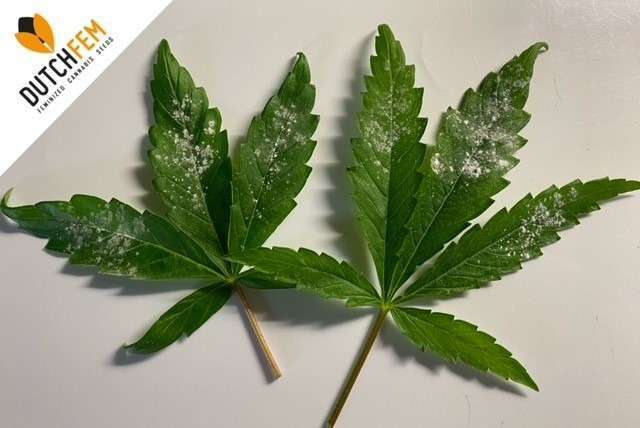
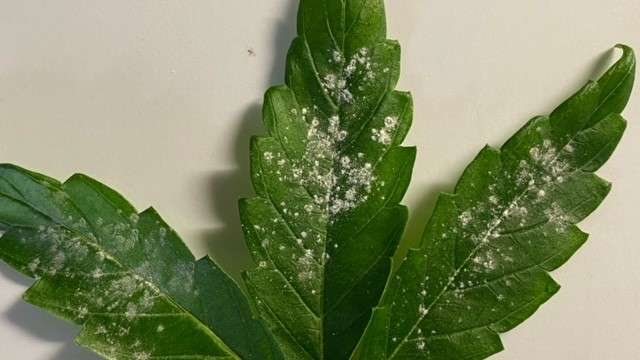
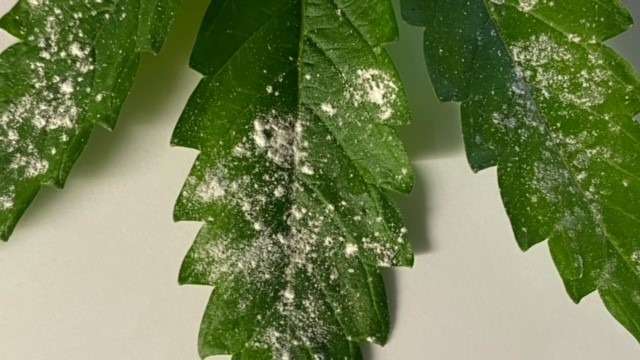
Powdery Mildew: Characterized by a white, powdery substance on the leaves and buds, powdery mildew thrives in warm and dry conditions. It can lead to reduced yields and compromised potency.
Aspergillus: As a more harmful mold, Aspergillus can produce mycotoxins that pose serious health risks when consumed. Signs include discolored and misshapen buds.
Preventing Mold on Cannabis:
Maintain Proper Humidity Levels:
Keep the humidity levels in the cultivation area between 40-50% during the vegetative stage and around 40% during the flowering stage.
Use dehumidifiers to regulate moisture levels, especially in enclosed spaces.
Ensure Adequate Ventilation:
Proper air circulation is essential to prevent the buildup of humidity and stagnant air, which are conducive to mold growth.
Install fans strategically to promote airflow within the grow room.
Temperature Control:
Maintain a consistent temperature range between 68-77°F (20-25°C) during the vegetative stage and slightly lower during the flowering stage.
Avoid sudden temperature fluctuations that can create condensation and foster mold development.
Proper Watering Practices:
Water plants in the morning to allow excess moisture to evaporate during the day.
Avoid overwatering, as saturated soil can create an environment where mold thrives.
Hygiene and Sanitation:
Keep the cultivation area clean and free from plant debris, which can harbor mold spores.
Sterilize equipment regularly, including pruning tools and containers, to prevent the spread of mold.
Quarantine and Inspection:
Implement a quarantine area for new plants to prevent introducing potential mold sources.
Regularly inspect plants for any signs of mold, focusing on the undersides of leaves and dense buds.
Proper Nutrient Management:
Over-fertilization can weaken plants, making them more susceptible to mold. Follow recommended nutrient schedules and monitor plant health closely.
Managing Mold Infestations:
 Isolation and Removal:
Immediately isolate affected plants to prevent the spread of mold to healthy ones.
Carefully remove and dispose of mold-infested plant material without spreading spores.
Organic Remedies:
Neem oil and potassium bicarbonate are natural fungicides effective against certain types of mold.
Introduce beneficial insects like ladybugs, which feed on mold and pests.
Chemical Treatments:
Fungicides containing active ingredients such as sulfur or copper can be effective against mold but should be used with caution.
Always follow recommended application rates and safety guidelines when using chemical treatments.
Humidity Reduction:
Increase ventilation and use dehumidifiers to lower humidity levels in the affected area.
Ensure proper drying conditions during the curing process to prevent mold growth on harvested buds.
Preventing and managing mold on cannabis requires a proactive and holistic approach. By understanding the environmental conditions conducive to mold growth and implementing preventive measures, cultivators can safeguard their crops and ensure a high-quality yield. Regular inspections, proper hygiene practices, and timely intervention are essential components of a successful mold prevention strategy. With a commitment to maintaining a clean and controlled growing environment, cultivators can minimize the risk of mold infestations and produce cannabis that is not only visually appealing but also safe for consumption.








You must be logged in to post a comment.