



Everything you need to know about trichomes
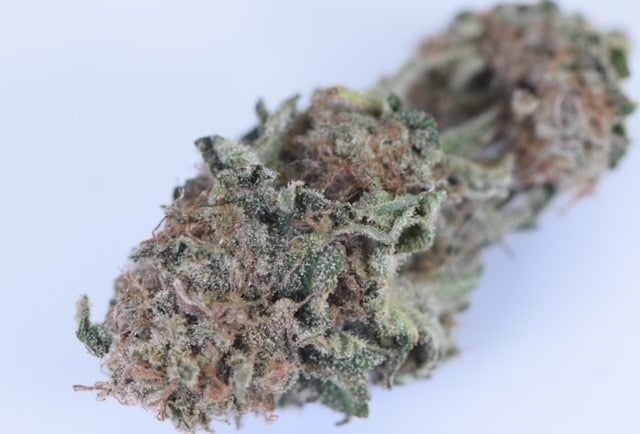
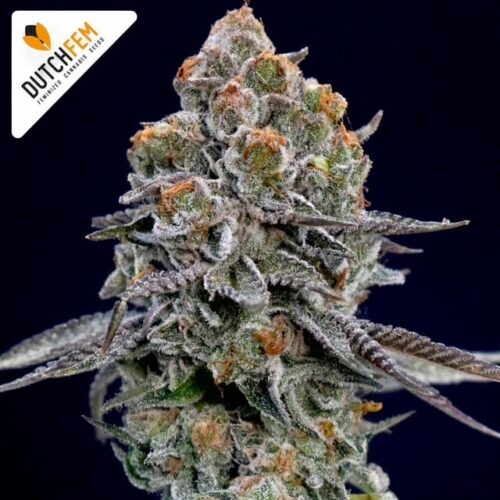
Cannabis trichomes are small, hair-like structures that protrude from the surface of the cannabis plant. These structures play a crucial role in the production of cannabinoids, terpenes, and other compounds that contribute to the plant’s effects and aroma. Trichomes are most abundant on the flowers (buds) of the female cannabis plants, but they can also be found on leaves and stems to a lesser extent.
Trichomes are responsible for producing and storing the resin that contains the cannabinoids, such as THC (tetrahydrocannabinol) and CBD (cannabidiol), as well as terpenes, which are aromatic compounds that contribute to the plant’s distinctive scent and flavor. The resin produced by trichomes serves as a defense mechanism for the plant, deterring herbivores and protecting against environmental stressors.

There are three main types of trichomes on cannabis plants:
Bulbous Trichomes: These are the smallest type of trichomes and are found all over the plant. They are particularly abundant on the surface of the plant’s leaves.
Capitate-Sessile Trichomes: These are larger than bulbous trichomes and consist of a stalk and a gland head. They are found on both the leaves and flowers of the plant.
Capitate-Stalked Trichomes: These are the largest and most abundant trichomes, especially on the flowers. They have a stalk and a gland head, and it’s on the gland head that most of the cannabinoid and terpene production occurs.
The concentration and distribution of trichomes can affect the potency and overall quality of the cannabis plant. When cultivating cannabis for medicinal or recreational use, growers often pay attention to factors that can enhance trichome development, such as genetics, environmental conditions, and proper harvesting techniques.

Everything you need to know about trichomes: Can i increase trichomes production in cannabis?
Increasing trichome production in cannabis involves optimizing various factors throughout the plant’s growth and cultivation process. Here are some tips to enhance trichome development:
Genetics:
Start with cannabis strains known for high trichome production. Certain strains naturally produce more resinous trichomes than others.
Lighting:
Provide the appropriate light spectrum during the flowering stage. High-intensity light with a spectrum rich in red and blue wavelengths is beneficial for trichome development. Consider using LED grow lights designed for cannabis cultivation.
Temperature and Humidity:
Maintain optimal temperature and humidity levels. Generally, slightly cooler temperatures (around 70-75°F or 21-24°C) in the flowering stage can promote trichome production. However, avoid extreme temperature fluctuations.
Nutrients:
Use a well-balanced nutrient regimen, particularly during the flowering phase. Phosphorus and potassium are essential nutrients for trichome development. Adjust nutrient levels based on the specific needs of the strain.
Watering:
Provide a consistent and appropriate watering schedule. Avoid overwatering, as this can lead to nutrient deficiencies and affect trichome production.
Stress Techniques:
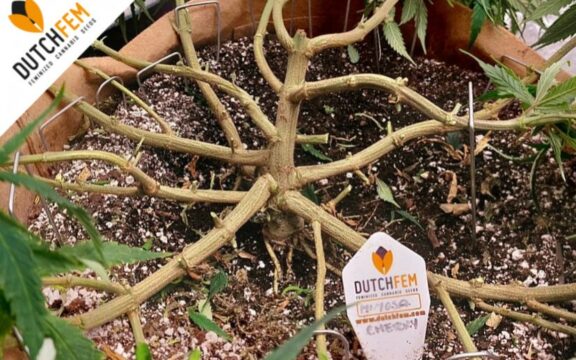
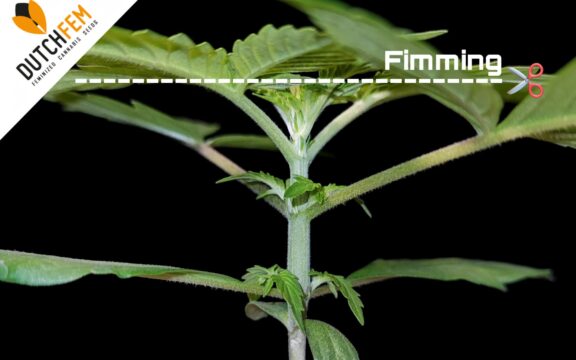
Some stress techniques can stimulate trichome production as a defense mechanism. These include low-stress training (LST), defoliation, and selective pruning. However, it’s essential to use stress techniques judiciously to avoid harming the plant.
Harvest Timing:
Harvest at the optimal time. Trichomes go through different stages of development, and their appearance can indicate the plant’s level of maturity. Harvesting at the right time, when trichomes are cloudy or amber, can maximize cannabinoid and terpene content.
Environmental Conditions:
Ensure good air circulation and ventilation to prevent issues like mold and mildew, which can negatively impact trichome development.
Organic Practices:
Some growers believe that organic cultivation practices contribute to increased trichome production. Using organic soil, amendments, and natural fertilizers may enhance the overall health of the plant.
Post-Harvest Care:
Handle harvested buds carefully to preserve trichomes. Proper drying and curing processes are crucial for maintaining trichome integrity and preserving the aroma and potency of the final product.
Everything you need to know about trichomes: How can I tell if cannabis is ready to harvest by looking at the trichomes?
trichomes are often used as a visual indicator to determine the readiness of cannabis plants for harvesting. The trichomes go through different stages of development, and their appearance can provide valuable information about the plant’s maturity and cannabinoid content. Growers typically examine trichomes using a magnifying tool, such as a jeweler’s loupe or a digital microscope. Here’s what to look for:
Clear Trichomes:
Early in the flowering stage, trichomes are often clear. At this stage, the plant is not yet ready for harvest. Clear trichomes indicate that cannabinoids like THC are still developing and have not reached their peak levels.

Cloudy or Milky Trichomes:
As the flowering stage progresses, trichomes start to become cloudy or milky. This is a sign that cannabinoids, particularly THC, are reaching their peak levels. Many growers prefer to harvest when the majority of trichomes are cloudy for a balanced effect of both THC and other cannabinoids.

Amber Trichomes:
Over time, some of the milky trichomes may turn amber. This suggests that THC is beginning to degrade into other cannabinoids like CBN (cannabinol). Harvesting at this stage can provide a more sedative effect, suitable for those seeking a relaxing experience.

The ideal time to harvest depends on the desired effects. Harvesting during the cloudy/milky stage is common for those seeking a more energetic or uplifting effect, while waiting until some trichomes turn amber may be preferred for a more relaxing or sedative experience.
It’s important to note that individual preferences vary, and the optimal harvest time can also depend on the specific strain being cultivated. Regular monitoring of trichome development and experimentation with harvest timing can help growers fine-tune the characteristics of the final product. Keep in mind that environmental factors, genetics, and cultivation practices can all influence the timing of trichome development and the overall quality of the harvested cannabis.

Everything you need to know about trichomes: What is the best way to dry and store cannabis to maintain maximum effect of the trichomes?
Proper drying and storage are crucial steps in preserving the maximum potency, flavor, and overall quality of cannabis. Here’s a guide on how to dry and store cannabis to maintain the effectiveness of trichomes:
Everything you need to know about trichomes: Drying Cannabis:
Hang-Drying:
After harvesting, trim excess leaves and hang the whole plant upside down in a dark, well-ventilated room. Maintain a temperature of around 60-70°F (15-21°C) and a humidity level of 45-55%. Hanging the plant allows for a slow and controlled drying process.
Drying Racks:
Alternatively, you can trim the buds and place them on drying racks. Make sure to space the buds out to allow for proper airflow.
Darkness:
Keep the drying area dark to prevent degradation of cannabinoids and terpenes due to light exposure.
Gentle Air Circulation:
Ensure gentle air circulation to avoid mold and mildew. A fan set on low can help maintain a consistent environment.
Patience:
Allow the buds to dry slowly over a period of 7-14 days. Buds are ready when the smaller stems snap rather than bend.

https://www.dutchfem.com/buy/purple-o-g-kush-cannabis-seeds/
Everything you need to know about trichomes: Curing Cannabis:
Jar Curing:
Once the buds are dry, transfer them to airtight glass jars. Fill the jars about 2/3 to 3/4 full to allow for air circulation.
Burping:
“Burp” the jars daily during the first week by opening them for a few minutes to release excess moisture. After the first week, burping can be done less frequently.
Humidity Control:
Use humidity control packs (e.g., Boveda packs) to maintain a stable humidity level inside the jars. Aim for a relative humidity (RH) of around 58-62%.
Temperature:
Store the jars in a cool, dark place with temperatures between 60-70°F (15-21°C).
Patience (Again):
Allow the buds to cure for at least two weeks, although longer curing periods (4-8 weeks) can further enhance flavor and smoothness.

Everything you need to know about trichomes: Storage Tips:
Dark Containers:
If storing larger quantities, use dark, airtight containers to protect the cannabis from light.
Cool Environment:
Keep stored cannabis in a cool environment to slow down degradation processes.
Avoid Temperature Fluctuations:
Prevent temperature fluctuations, as these can affect the stability of cannabinoids and terpenes.
Avoid Air Exposure:
Minimize air exposure when accessing stored cannabis. Each time the container is opened, the potential for moisture and oxygen exposure increases.
By following these steps, you can preserve the integrity of trichomes and maintain the maximum potency and quality of your cannabis buds. Proper drying and curing enhance the overall cannabis experience, bringing out the full spectrum of cannabinoids and terpenes.
Remember that cannabis cultivation laws and regulations vary by location, so ensure compliance with local laws when growing cannabis. Additionally, experimentation and observation are key; what works for one strain or growing environment may not be universally applicable.
https://www.dutchfem.com/buy/gelato-41-olandese/
https://www.dutchfem.com/buy/mimosa-cherry-kush/























You must be logged in to post a comment.