

Using Natural Enemies
Using natural enemies is a popular biological and sustainable solution to control pests and unwanted guests on your plants. In this blog, we are going to explain to you exactly how best to go about this. Have fun reading!
Embarking on the journey of cultivating a lush and vibrant garden is an inherently gratifying pursuit, encapsulating the joys of nurturing life and witnessing the beauty of nature unfold. Yet, every green thumb is familiar with the persistent challenge posed by common garden pests, such as the elusive spider mites, the irksome thrips, the delicate-yet-troublesome whiteflies, the sap-sucking aphids, and the voracious caterpillars. These tiny adversaries can wreak havoc on the carefully curated flora, threatening to undermine the very essence of our gardening aspirations.
In the face of pest-related adversity, conventional wisdom often leans towards chemical interventions, wielding potent solutions that may inadvertently harm not only the targeted pests but also the delicate balance of the garden ecosystem. However, there exists a harmonious alternative – the transformative power of natural enemies. This comprehensive guide is an exploration into the captivating realm of utilizing nature’s own defenders as formidable allies in the ongoing battle for a garden’s well-being.
Throughout the following chapters, we will unravel the intricate dynamics between pests and their natural adversaries. From the microscopic world of predatory mites to the majestic flight of ladybugs, each natural enemy has a unique role to play in maintaining a garden’s equilibrium. By understanding these interactions, gardeners can employ effective, eco-friendly strategies that not only thwart pest invasions but also foster a flourishing, sustainable haven for plants to thrive.
Join us on this enlightening journey as we delve into the intricate web of nature’s defense mechanisms, discovering how embracing these allies can turn the tide in favor of a resilient, healthy, and truly thriving garden.
- Section 1: Understanding the Common Garden Pests
- Section 2: The Role of Natural Enemies
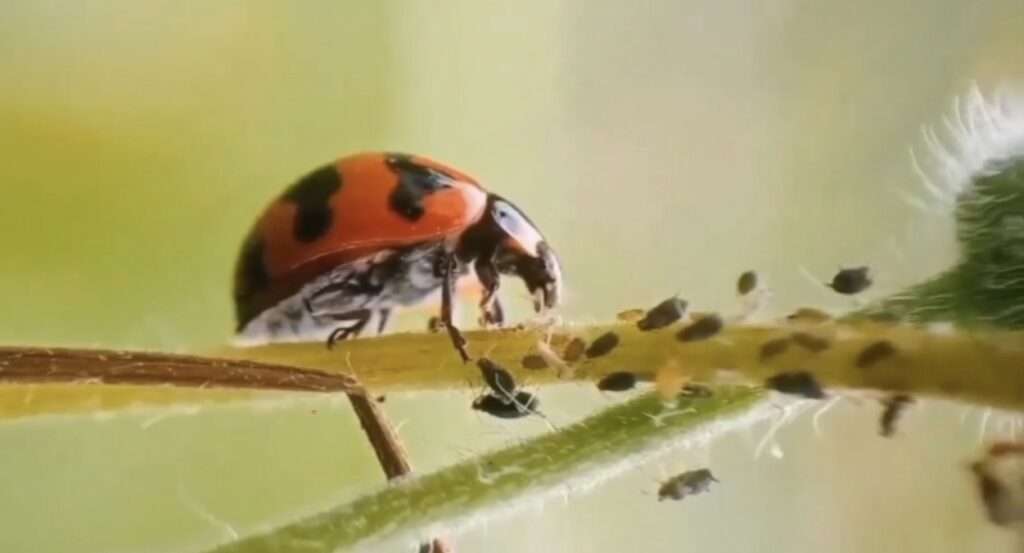
- Section 3: Ladybugs – Guardians Against Aphids
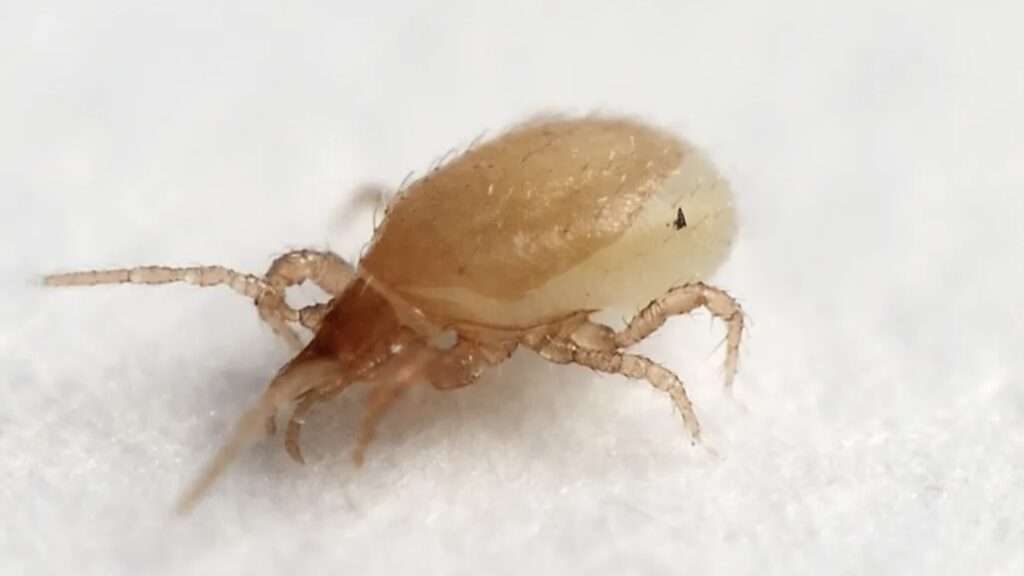
- Section 4: Predatory Mites – Nemeses of Spider Mites
- Section 5: Parasitic Wasps – Natural Enemies Solution for Caterpillars
- Section 6: Creating a Pest-Resistant Garden

Section 1: Understanding the Common Garden Pests
Embarking on a journey to create a thriving garden necessitates a comprehensive understanding of the common adversaries that can undermine the health and vitality of our plants. In this section, we will delve into the characteristics, life cycles, and potential damage inflicted by five prevalent garden pests: spider mites, thrips, whiteflies, aphids, and caterpillars. Armed with this knowledge, gardeners can proactively identify and address these challenges, laying the groundwork for effective pest management.
1. Spider Mites: The Silent Web Weavers
Characteristics: Often too small to be detected with the naked eye, spider mites are arachnids known for their ability to spin fine silk webs on the undersides of leaves. These tiny pests, typically red or green, puncture plant cells and extract sap, leaving stippled, discolored foliage in their wake.
Life Cycle: Spider mites thrive in warm, dry conditions. Females lay numerous eggs on the underside of leaves, and the rapid reproduction cycle allows populations to explode, leading to extensive damage if left unchecked.
Potential Damage: The feeding habits of spider mites result in yellowing leaves, reduced plant vigor, and a telltale fine webbing. Left unmanaged, they can devastate entire plantations.
2. Thrips: The Stealthy Sap Suckers
Characteristics: Thrips are minute, slender insects with fringed wings, often difficult to spot due to their small size. These pests pierce plant cells and feed on sap, causing stippling, silvering, and distortion of leaves.
Life Cycle: Thrips undergo incomplete metamorphosis, progressing from eggs to nymphs and then adults. They breed prolifically, making early detection and intervention crucial.
Potential Damage: Thrips damage manifests as distorted and discolored leaves, as well as deformed flowers. Certain species can transmit plant diseases, adding an extra layer of threat to the garden.
3. Whiteflies: The Delicate Yet Destructive Fliers
Characteristics: Whiteflies are small, winged insects that resemble tiny moths. They congregate on the undersides of leaves and, when disturbed, flutter about in a distinctive cloud of white.
Life Cycle: Whiteflies undergo complete metamorphosis, with egg, nymph, pupa, and adult stages. Their rapid reproduction can lead to severe infestations.
Potential Damage: Feeding on plant sap, whiteflies weaken plants and can transmit viral diseases. The sticky honeydew they excrete attracts sooty mold, further compromising plant health.
4. Aphids: The Tiny Sap Sippers
Characteristics: Aphids are small, soft-bodied insects with pear-shaped bodies, often found clustered on new growth. They come in various colors, including green, black, and red.
Life Cycle: Aphids reproduce prolifically, with females capable of giving birth to live young without mating. This rapid reproduction allows for exponential population growth.
Potential Damage: Aphids extract sap from plant tissues, causing leaves to curl, yellow, and distort. They can also transmit plant viruses and attract ants with their honeydew excretions.
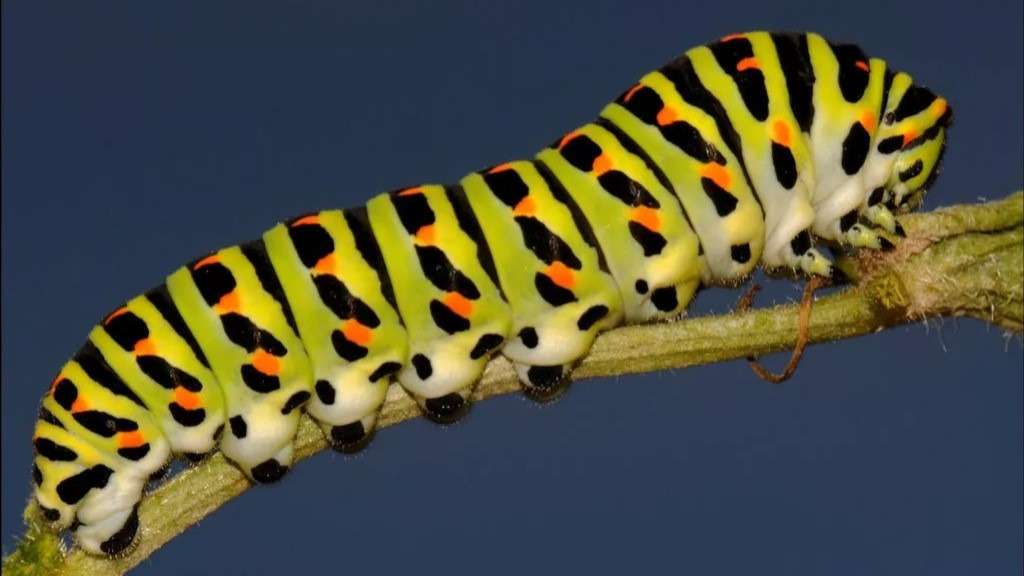
5. Caterpillars: Nature’s Voracious Eaters
Characteristics: Caterpillars are the larval stage of butterflies and moths, with cylindrical bodies and a voracious appetite for foliage.
Life Cycle: After hatching from eggs, caterpillars go through several molts, consuming large amounts of plant material during their growth.
Potential Damage: Caterpillars can cause extensive defoliation, leading to reduced plant vigor and compromised aesthetics. Certain species may also tunnel into fruits or buds.
Understanding the distinct characteristics and life cycles of these common garden pests is essential for proactive pest management. In the subsequent sections, we will explore eco-friendly strategies utilizing natural enemies to maintain a balanced and thriving garden ecosystem.
Conclusion Natural Enemies:
In the delicate ballet of nature, where pests threaten the harmony of our gardens, the utilization of natural enemies emerges as a powerful and sustainable solution. Throughout this exploration, we have witnessed the prowess of ladybugs, predatory mites, and parasitic wasps—nature’s own defenders—meticulously combatting aphids, spider mites, and caterpillars. By understanding and embracing the roles of these allies, gardeners can cultivate pest-resistant havens that thrive in tandem with the intricate web of life.
The key takeaway is clear: integrating natural enemies into your gardening practices not only provides an effective means of pest control but also fosters a garden that is resilient, diverse, and ecologically sound. From promoting biodiversity and companion planting to adopting proper garden management techniques, each action contributes to the cultivation of a balanced ecosystem that withstands pest pressures.
As stewards of our green sanctuaries, let us embark on a collective journey towards eco-friendly gardening practices. Embrace the beauty of a pest-free garden nurtured by the forces of nature, and share your experiences with fellow enthusiasts. By doing so, we not only enrich our individual gardening endeavors but also contribute to a broader movement towards sustainable and harmonious coexistence with the natural world. Together, we cultivate not just gardens but living, thriving ecosystems that inspire and endure.









You must be logged in to post a comment.