



Cannabis Legalization
The Global Shift: Cannabis Legalization
The legalization of cannabis has become a widely debated and transformative global phenomenon. This blog delves into the multifaceted aspects surrounding cannabis legalization, examining its historical context, the socio-economic impact, medical implications, and the diverse approaches taken by countries across the world. Furthermore, it provides an exhaustive overview of the nations that have embraced cannabis legalization, shedding light on the motivations and outcomes of these groundbreaking policy changes.
The prohibition era of cannabis, marked by stringent laws and punitive measures, is undergoing a profound transformation globally. As societal attitudes shift and scientific understanding advances, an increasing number of countries are reevaluating their stance on cannabis, moving towards legalization. This blog aims to explore the complex landscape of cannabis legalization, examining the reasons behind this trend and the various models adopted by countries. It also seeks to evaluate the impact of legalization on social, economic, and medical domains.
Historical Context of Cannabis Prohibition:
The criminalization of cannabis can be traced back to the early 20th century when a wave of anti-drug sentiment swept across the globe. The United States played a pivotal role in initiating this prohibition, culminating in the Marihuana Tax Act of 1937. Other countries followed suit, influenced by international agreements such as the Single Convention on Narcotic Drugs in 1961. This laid the foundation for a global approach to cannabis prohibition.
Societal Shifts and Changing Attitudes:
Over the decades, societal perceptions of cannabis have evolved, driven by changing cultural attitudes and growing awareness of the plant’s medicinal properties. The emergence of the counterculture movement in the 1960s sparked a reevaluation of cannabis use, challenging the established narratives surrounding its dangers. As public opinion shifted, calls for legalization gained momentum.
Economic Implications of Cannabis Legalization:
The economic dimension of cannabis legalization is a crucial aspect that governments consider when revisiting their policies. The potential for tax revenue, job creation, and economic growth has been a driving force behind the shift towards legalization. This blog examines case studies of countries that have legalized cannabis, exploring the economic benefits they have experienced and the challenges they have faced in implementation.

Medical Cannabis and Healthcare Policy:
The medical applications of cannabis have been a driving force behind legalization efforts. Scientific research has identified cannabinoids, the active compounds in cannabis, as having therapeutic properties for various medical conditions. Countries legalizing cannabis for medicinal use are witnessing a paradigm shift in healthcare policy. This blog explores the intersection of medical cannabis and healthcare systems, analyzing the impact on patient outcomes and public health.
Cannabis Legalization Models:
Not all countries adopt the same model of cannabis legalization. Some opt for full recreational legalization, allowing adult-use cannabis, while others focus on medicinal cannabis programs. Additionally, certain jurisdictions decriminalize cannabis, reducing penalties for possession without fully legalizing it. This section of the blog provides an in-depth analysis of the diverse approaches countries have taken, examining the regulatory frameworks and their implications.
Global Overview of Cannabis Legalization:
This comprehensive exploration of cannabis legalization would be incomplete without a detailed examination of the countries that have embraced this transformative policy shift. Drawing on the latest information, this section provides an up-to-date overview of the nations that have legalized cannabis for recreational or medicinal use, along with a critical analysis of their motivations and the outcomes observed.
Case Studies: Cannabis Legalization in Select Countries:
In-depth case studies will be conducted on specific countries that have played pivotal roles in the global cannabis legalization movement. Examples include Uruguay, which became the first country to fully legalize cannabis, and Canada, which followed suit in 2018. These case studies will provide insights into the motivations, challenges, and outcomes associated with their respective legalization journeys.
Challenges and Criticisms of Cannabis Legalization:
While cannabis legalization brings about numerous opportunities, it is not without challenges and criticisms. This section addresses concerns related to public health, safety, and the potential for increased cannabis use, as well as challenges in regulatory frameworks and international implications.
In conclusion, the global landscape of cannabis legalization is dynamic and evolving. This blog tried to provided a comprehensive exploration of the historical context, societal shifts, economic implications, medical considerations, various legalization models, and a detailed overview of countries that have embraced this transformative policy change. As the journey towards cannabis legalization continues, it is imperative to critically examine its impact, address challenges, and foster informed discussions to shape effective and responsible policies for the future.

A Journey through the History of Cannabis Legalization in the Netherlands
In recent decades, the global perception of cannabis has undergone a significant transformation, with an increasing number of countries reconsidering their stance on its legality. One country that has long been at the forefront of this movement is the Netherlands. Renowned for its liberal policies, the Dutch approach to cannabis has been a subject of fascination and debate worldwide. Join us on a journey through time as we explore the history of cannabis legalization in the Netherlands.
Early Days
Cannabis has a long history in the Netherlands, dating back to the 17th century when it was introduced for industrial purposes like rope and canvas production. Its use for recreational purposes gained popularity in the 20th century, attracting both locals and tourists. The Dutch government initially took a relatively tolerant stance, distinguishing between soft and hard drugs.
Tolerance Policy Emerges
The 1970s marked a turning point in the Netherlands’ approach to cannabis. Faced with the rise of drug-related issues, the government sought pragmatic solutions. In 1972, the notorious Opium Law was amended to introduce the concept of “gedoogbeleid,” or tolerance policy. This policy essentially meant that while cannabis remained technically illegal, authorities chose not to prosecute individuals possessing small quantities for personal use.
Coffee Shops and Decriminalization
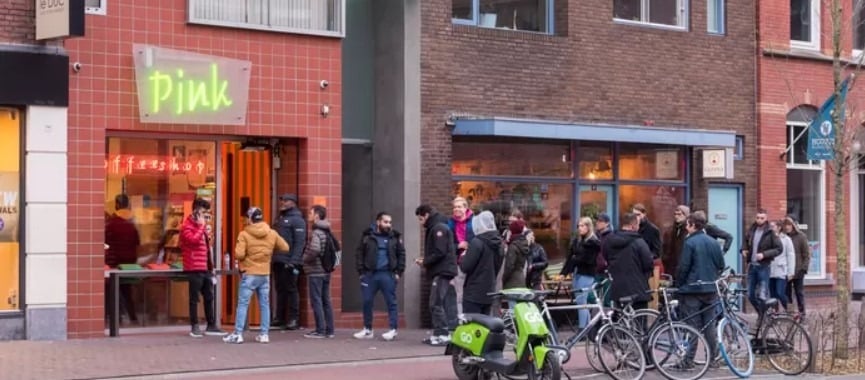
The establishment of coffee shops, where small amounts of cannabis could be openly sold and consumed, became a key feature of the Dutch approach. The first coffee shop, Mellow Yellow, opened its doors in Amsterdam in 1972. This marked a novel attempt to separate the cannabis market from the hard drug trade, effectively reducing the associated criminal activities.

The 1980s and 1990s witnessed a surge in the number of coffee shops, especially in Amsterdam, turning the city into a global cannabis hub. The Dutch decriminalization model drew both praise and criticism, with advocates lauding its harm reduction strategy while opponents expressed concerns about the impact on public health.
Challenges and Adjustments
As the 21st century dawned, the Netherlands faced pressure from neighboring countries and international organizations to tighten its drug policies. Concerns about the increase in cannabis tourism, criminal involvement, and potential health risks led to a reevaluation of the existing system.
In response, the Dutch government introduced measures to address these concerns, including the introduction of a “weed pass” that restricted access to coffee shops to Dutch residents. However, these measures were met with resistance and were eventually abandoned in favor of a more lenient approach.
Current Landscape
Today, the Netherlands maintains its unique stance on cannabis. While technically illegal, possession of small quantities for personal use is tolerated. The sale and possession of larger quantities remain illegal, and authorities continue to combat the cultivation and trafficking of cannabis.
The history of cannabis legalization in the Netherlands is a fascinating journey that reflects the evolving attitudes towards drug policy and the complexities of balancing public health, social issues, and international obligations. The Dutch approach, with its pragmatic tolerance policy and coffee shop system, has undeniably shaped the global conversation around cannabis. As the world continues to grapple with these issues, the Dutch experience offers valuable insights into the potential benefits and challenges of alternative drug policies.

Pioneering Progress: The Legalization of Cannabis in Uruguay
In a groundbreaking move that captured global attention, Uruguay became the first country in the world to fully legalize the production, sale, and consumption of cannabis in December 2013. This bold step marked a departure from traditional drug policies, sparking a worldwide conversation about alternative approaches to regulating marijuana. Join us as we delve into the history and impact of Uruguay’s historic decision to legalize cannabis.
The Road to Legalization
Uruguay’s journey towards cannabis legalization was a gradual process, rooted in a desire to address the social and health issues associated with prohibition. In the early 2000s, Uruguay faced rising rates of drug-related crime, and policymakers sought innovative solutions to tackle the problem. The idea of legalizing cannabis gained momentum, and in 2013, the Uruguayan government, led by President José Mujica, passed the groundbreaking legislation.

Regulated Market and Social Objectives
Unlike many countries that decriminalize or tolerate cannabis use, Uruguay opted for a tightly regulated market. The law outlined a comprehensive system covering the cultivation, distribution, and consumption of cannabis. Licensed pharmacies were authorized to sell marijuana to registered users, and individuals were allowed to grow their own cannabis or participate in cooperative cultivation.
The legalization of cannabis in Uruguay was driven by several key objectives:
Public Health: By legalizing and regulating cannabis, Uruguay aimed to mitigate the health risks associated with uncontrolled and unregulated consumption. The government implemented educational programs to promote responsible use and raise awareness about the potential harms of cannabis.
Crime Reduction: Legalization aimed to sever the link between cannabis and criminal organizations. By creating a legal market, the government sought to undercut the illicit trade, reducing violence and organized crime associated with drug trafficking.
Social Justice: The legislation aimed to address social inequalities related to drug enforcement. Uruguay sought to eliminate the disproportionate impact of drug laws on marginalized communities and individuals.
Challenges and Adjustments
Uruguay’s pioneering move faced its share of challenges. International criticism and concerns about the potential impact on public health led to adjustments in the implementation of the law. The government maintained an open dialogue with the international community, explaining its rationale and experiences, while also making amendments to address emerging issues.

Impact and Lessons Learned
Several years after legalization, Uruguay continues to assess the impact of its policy. While the full effects are still unfolding, early indicators suggest positive outcomes in terms of crime reduction and improved public health outcomes. The experiment has also provided valuable lessons for other countries considering alternative approaches to cannabis regulation.
Uruguay’s decision to legalize cannabis stands as a landmark moment in the global conversation surrounding drug policy. By prioritizing public health, social justice, and harm reduction, Uruguay has paved the way for other nations to rethink their approach to cannabis regulation. As the world continues to grapple with the complexities of drug policy, Uruguay’s pioneering progress serves as a beacon of innovation, offering valuable insights and lessons for a more nuanced and effective approach to cannabis legalization.
Canada’s Green Revolution: The Journey to Cannabis Legalization
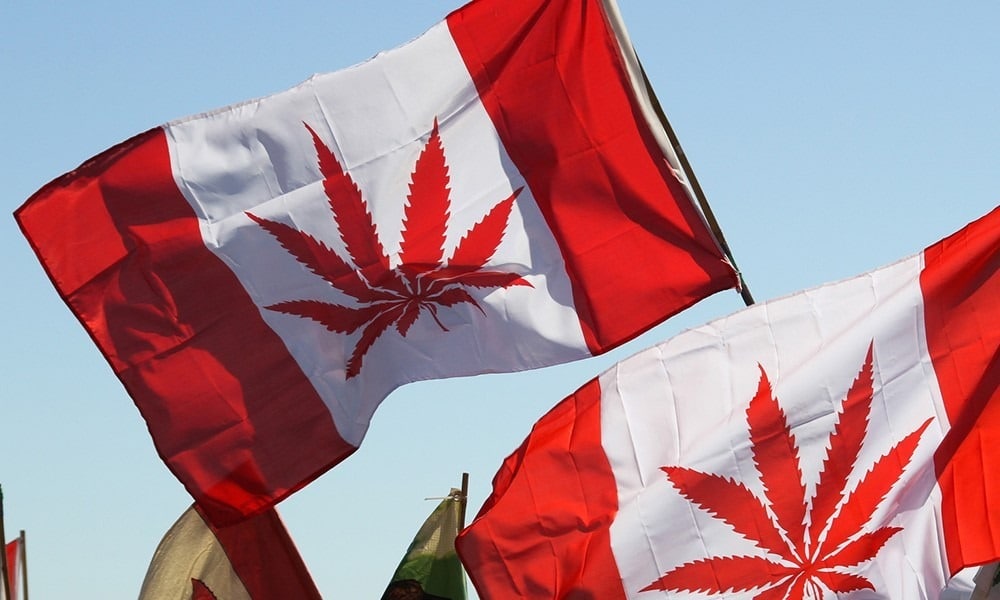
In October 2018, Canada made history by becoming the second country in the world, after Uruguay, to fully legalize cannabis for recreational use. This landmark decision marked a significant departure from traditional drug policies, positioning Canada at the forefront of the global movement toward more progressive approaches to cannabis regulation. Join us as we explore the evolution, impact, and lessons learned from Canada’s groundbreaking journey to cannabis legalization.
A Historical Perspective
Canada’s relationship with cannabis dates back many decades, with recreational use becoming increasingly popular in the 1960s and 1970s. Despite various attempts to regulate and criminalize cannabis over the years, public opinion gradually shifted, leading to a more progressive outlook on its use.
The Road to Legalization
The push for cannabis legalization gained momentum in the early 21st century, driven by a combination of public sentiment, changing cultural attitudes, and a desire to address the failures of prohibition. The Liberal government, led by Prime Minister Justin Trudeau, campaigned on a promise to legalize cannabis, emphasizing the need to regulate and control the market to protect public health and safety.
Cannabis Act: A Comprehensive Regulatory Framework
In 2018, the Cannabis Act came into effect, providing a comprehensive framework for the legalization and regulation of cannabis in Canada. The legislation allowed adults aged 18 or 19 and older, depending on the province or territory, to possess, share, and purchase recreational cannabis from authorized retailers. The act also established a strict system for licensing producers and retailers, ensuring quality control and safety standards.
Key Objectives of Legalization
Canada’s decision to legalize cannabis was rooted in several key objectives:
Public Health and Safety: Legalization aimed to eliminate the illicit cannabis market, reducing the associated criminal activities and ensuring that Canadians had access to safe and regulated products.
Harm Reduction: By legalizing and regulating cannabis, Canada sought to mitigate the potential health risks associated with uncontrolled and unregulated consumption. Education campaigns were implemented to inform the public about responsible use.
Economic Opportunities: The government recognized the economic potential of a legalized cannabis industry, from job creation to tax revenues. This move was seen as an opportunity to stimulate economic growth and innovation.
Challenges and Adjustments
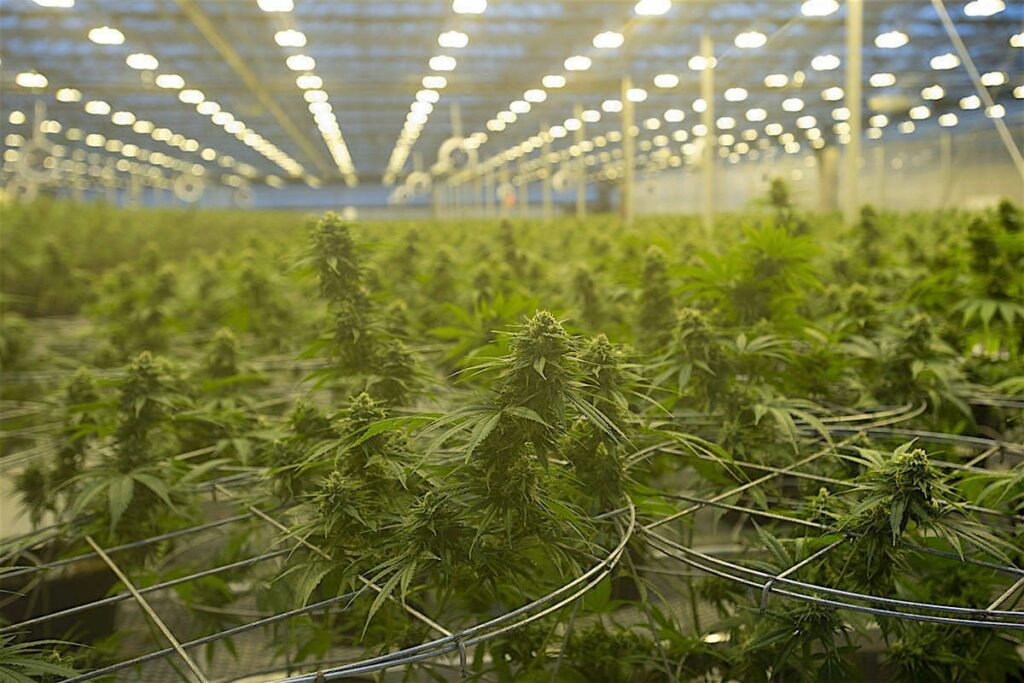
Canada’s journey to cannabis legalization was not without challenges. The implementation of the Cannabis Act faced hurdles, including supply shortages in the early months and concerns about the persistence of the illicit market. The government responded with adjustments and ongoing efforts to improve the regulatory framework.
Impact and Global Influence
Since legalization, Canada has seen positive outcomes, including the growth of a legal cannabis industry, job creation, and increased tax revenues. The move has also sparked international interest, with other countries closely watching and, in some cases, considering similar approaches to cannabis regulation.
Canada’s legalization of cannabis represents a bold and progressive step toward reevaluating traditional drug policies. By prioritizing public health, safety, and economic opportunities, Canada has set a precedent for other nations grappling with the complexities of cannabis regulation. As the world continues to evolve in its understanding of cannabis, Canada’s experience provides valuable insights and lessons for shaping effective and responsible drug policies.
Thailand’s Green Revolution: Navigating the Path to Cannabis Legalization
In a historic move that surprised many, Thailand, known for its strict anti-drug policies, embarked on a journey toward cannabis legalization, reflecting a global shift in attitudes toward the plant. The Kingdom’s decision to embrace cannabis for medicinal and economic purposes has set it apart in Southeast Asia, signaling a departure from traditional drug policies. Join us as we explore the fascinating story of Thailand’s foray into cannabis legalization and its potential impact on the region.

A Paradigm Shift
Thailand has a long history with cannabis, with traditional uses dating back centuries. However, in the 1930s, the government implemented strict anti-drug laws, leading to the criminalization of cannabis. Fast forward to the 21st century, and the Thai government, under Prime Minister Prayuth Chan-o-cha, began reevaluating its stance on cannabis, recognizing the plant’s potential benefits for both health and the economy.

Medical Cannabis Legalization
In 2018, Thailand made headlines by becoming the first Asian nation to legalize medical cannabis. The decision was fueled by a desire to harness the therapeutic potential of cannabis for various medical conditions, including chronic pain, epilepsy, and nausea associated with chemotherapy. The government set up the Government Pharmaceutical Organization (GPO) to oversee the production of medical cannabis and ensure quality control.
The Medical Marijuana Boom
Following legalization, Thailand witnessed a surge in interest from both local and international investors eager to capitalize on the burgeoning medical cannabis industry. The government introduced measures to facilitate research, cultivation, and production, encouraging collaboration between the public and private sectors.
In addition to medical cannabis, Thailand also decriminalized the recreational use of cannabis in small amounts, acknowledging the cultural significance of the plant in traditional Thai medicine and local customs.

Challenges and Regulatory Refinement
While the legalization of cannabis in Thailand marked a progressive step, the country faced challenges in refining its regulatory framework. Balancing the potential economic benefits with concerns about abuse and illicit trade required careful consideration. The government took steps to establish clear guidelines, licensing procedures, and quality control standards to ensure a responsible and controlled cannabis industry.
Global Influence and Regional Impact
Thailand’s move towards cannabis legalization has reverberated across Southeast Asia, sparking discussions in neighboring countries about potential reforms to their own drug policies. The Kingdom’s approach has demonstrated a willingness to adapt to changing global attitudes and explore the potential benefits of cannabis in a controlled and regulated environment.
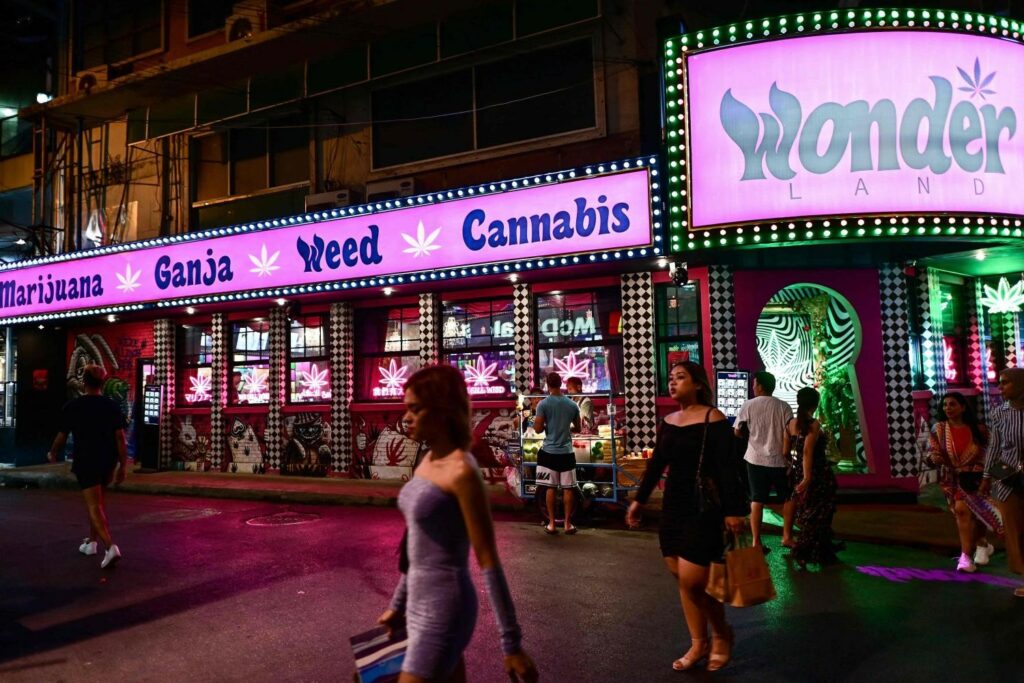
Thailand’s journey to cannabis legalization represents a significant shift in a region traditionally characterized by strict anti-drug measures. By embracing cannabis for medical purposes and acknowledging its cultural significance, Thailand has opened the door to new possibilities for the plant. As the country continues to refine its regulations and navigate the complexities of this evolving landscape, the global community watches with anticipation, curious about the impact of Thailand’s green revolution on the future of cannabis in Southeast Asia.
The United States’ Cannabis Odyssey: A Journey through Legalization
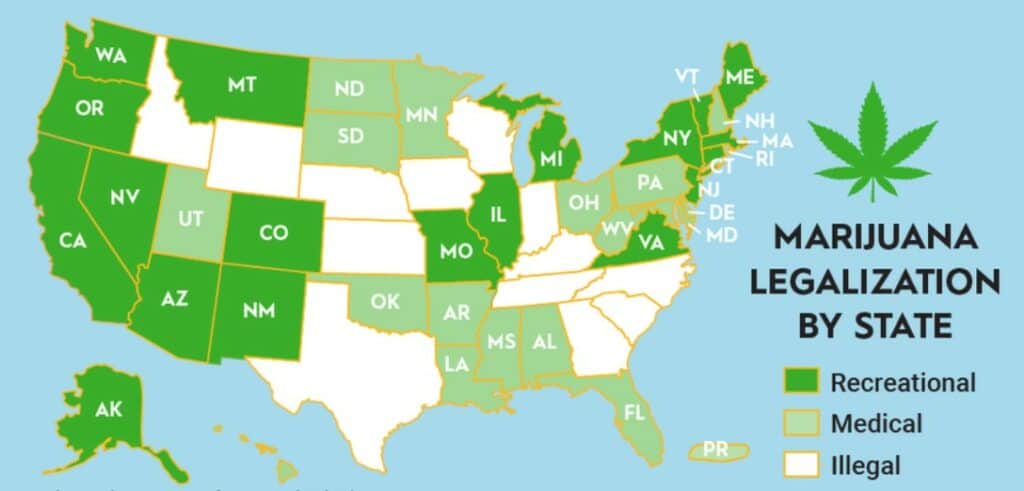
In recent years, the United States has experienced a remarkable transformation in its approach to cannabis, with several states leading the charge in the push toward legalization. From medical use to recreational enjoyment, the landscape of cannabis legality in the U.S. has undergone a seismic shift. Join us as we explore the multifaceted journey of cannabis legalization in the United States and its profound impact on society, economy, and policy.
The Dawn of Medical Cannabis
The initial spark of change in the U.S. came with the acceptance of medical cannabis. California led the way in 1996 by becoming the first state to legalize medical marijuana. This marked a pivotal moment, demonstrating a growing recognition of the plant’s therapeutic potential. Over the following years, a wave of states followed suit, crafting legislation to allow the use of medical cannabis for patients with various conditions, from chronic pain to epilepsy.
The Green Wave: Recreational Legalization
The true tipping point came in 2012 when Colorado and Washington became the first states to legalize recreational cannabis use for adults. This watershed moment set in motion a “green wave” across the nation, with more states gradually embracing the idea of regulated adult-use cannabis markets. As of [current year], over [number] states and the District of Columbia have legalized recreational cannabis, reshaping the cultural and legal landscape.
The Economic Impact
One of the driving forces behind the push for cannabis legalization has been its economic potential. Legal cannabis markets have generated billions of dollars in revenue, creating jobs, stimulating local economies, and providing states with a new source of tax revenue. This economic boon has sparked a reevaluation of the plant’s role in the national economy.
Social Justice and Equity
The conversation around cannabis legalization in the U.S. is inseparable from issues of social justice and equity. The War on Drugs disproportionately impacted communities of color, leading to widespread incarceration for non-violent drug offenses. In response, many states have incorporated social equity provisions into their cannabis legalization frameworks, aiming to address historical injustices and ensure that marginalized communities benefit from the emerging industry.
Regulatory Challenges and Federal Quandaries
While states have taken the lead in reshaping cannabis laws, the federal government’s stance remains complex. Cannabis is still classified as a Schedule I substance at the federal level, creating a dichotomy between state and federal laws. This incongruity poses challenges for businesses, financial institutions, and individuals operating in the cannabis space, hindering the industry’s full potential.
The Future: Federal Reforms and Global Influence
The current landscape suggests a growing momentum toward federal reforms. Proposals for descheduling or decriminalizing cannabis at the federal level have gained traction, with increasing bipartisan support. The outcomes of these efforts could have profound implications for the industry’s growth, interstate commerce, and international collaborations.
The United States’ journey toward cannabis legalization is a dynamic and evolving saga, reflecting changing attitudes, economic imperatives, and a commitment to social justice. As more states join the ranks of those embracing cannabis, the nation stands at a crossroads, poised to reshape its relationship with this once-stigmatized plant. The story of cannabis legalization in the U.S. is far from over, and the next chapters promise to be as intriguing as the journey thus far.
The status of cannabis legalization is subject to change, and it’s essential to note that new developments may have occurred since we published this blog. Some of the countries that have legalized or decriminalized cannabis to varying extents include:
Uruguay – Uruguay was the first country in the world to fully legalize cannabis for recreational use in 2013.
Canada – Canada legalized recreational cannabis in October 2018, making it the second country globally to do so.
Argentina – Argentina has decriminalized the personal use of cannabis and has established a legal framework for medical cannabis.
Mexico – Mexico’s Supreme Court has ruled that laws prohibiting the recreational use of cannabis are unconstitutional. The country is in the process of developing regulations for legal cannabis.
South Africa – In 2018, the South African Constitutional Court ruled that personal cannabis use and cultivation for private consumption are protected rights.
Luxembourg – Luxembourg has announced plans to become the first European country to fully legalize and regulate recreational cannabis.
Netherlands – While not fully legalized, the Netherlands has a longstanding policy of tolerance towards small quantities of cannabis for personal use.
Portugal – Portugal has decriminalized the possession and use of all drugs, including cannabis, focusing on treating drug abuse as a health issue rather than a criminal offense.
Spain – Some regions in Spain, such as Catalonia and the Basque Country, have decriminalized the cultivation and consumption of cannabis for personal use.
Israel – Israel has a medical cannabis program that allows patients access to cannabis for therapeutic purposes.
Germany – Germany has legalized medical cannabis, allowing patients to access it through prescription.
USA – There are major differences per state. While some states have made cannabis completely legal, other states still have very strict laws with heavy penalties for both the use and cultivation of cannabis.
It’s important to verify the current legal status of cannabis in any specific country, as laws and regulations are subject to change. Additionally, more countries may have taken steps toward cannabis legalization or decriminalization since my last update.
Growing Cannabis Outdoors with Feminized and Autoflowering Seeds








You must be logged in to post a comment.