
Optimal Relative Humidity and Temperature Conditions for Indoor Cannabis Cultivation
Relative Humidity and Temperature. Indoor cannabis cultivation has gained widespread popularity due to the ability to control environmental factors, resulting in higher yields and quality crops. Among the critical factors influencing cannabis growth, relative humidity (RH) and temperature play pivotal roles. Achieving the ideal balance between these two variables is crucial for the success of an indoor cannabis cultivation operation. In this comprehensive guide, we will explore the science behind optimal RH and temperature conditions, their impact on cannabis plants, and practical strategies for maintaining an ideal indoor environment.
Understanding Relative Humidity

Relative humidity refers to the amount of moisture in the air compared to the maximum amount the air could hold at a specific temperature. Expressed as a percentage, RH plays a vital role in the transpiration process of plants. Cannabis plants, like many other crops, have specific RH requirements during different growth stages.
Vegetative Stage:
During the vegetative stage, cannabis plants benefit from a higher relative humidity range. Ideally, maintaining RH levels between 40% and 70% is recommended. Higher humidity promotes faster leaf growth and nutrient absorption, helping plants establish a robust foundation for the flowering stage. However, excessive humidity can lead to issues such as mold, mildew, and pests, so it’s crucial to strike a balance.
Flowering Stage:
As cannabis enters the flowering stage, the ideal RH range needs to be adjusted to prevent issues like bud rot. Lowering the humidity to the range of 40% to 50% is advisable during this phase. This reduction minimizes the risk of mold and mildew while supporting the development of dense and resinous buds.
Understanding Temperature Requirements

Temperature is another key factor influencing the growth, development, and overall health of cannabis plants. Different temperature ranges are optimal for various stages of growth.
Vegetative Stage:
During the vegetative stage, cannabis plants thrive in slightly higher temperatures. Maintaining a temperature range of 76°F to 85°F (24°C to 29°C) promotes vigorous vegetative growth. It’s essential to provide a consistent temperature to avoid stress on the plants, leading to healthier and more productive vegetation.
Flowering Stage:
As cannabis transitions to the flowering stage, a slight reduction in temperature is beneficial. The ideal temperature range during flowering is around 75°F to 80°F (23°C to 27°C). This adjustment supports the development of terpenes and cannabinoids, enhancing the overall quality of the harvested buds.
The Interplay between RH and Temperature
Achieving optimal results in indoor cannabis cultivation requires an understanding of the interconnected relationship between relative humidity and temperature. The two factors influence each other and jointly impact the plant’s ability to transpire, uptake nutrients, and resist diseases.
Practical Strategies for Controlling RH and Temperature:
Maintaining optimal RH and temperature levels requires a combination of environmental controls, equipment, and monitoring systems. Here are practical strategies for achieving and sustaining the ideal conditions:
1. Climate Control Systems:
Investing in advanced climate control systems is essential for maintaining consistent RH and temperature levels. These systems often include dehumidifiers, humidifiers, air conditioning units, and heaters. Automated systems with sensors and controllers can adjust environmental conditions in real-time, providing a stable climate for cannabis cultivation.
2. Ventilation:
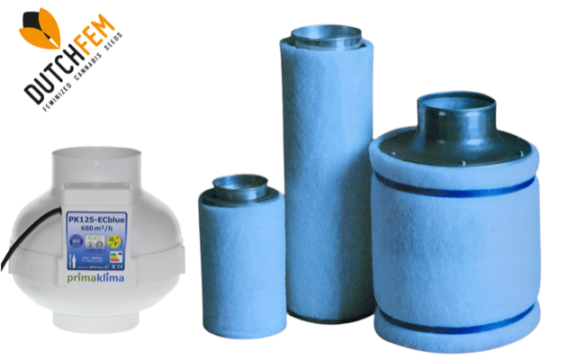
Proper ventilation is crucial for regulating temperature and preventing the buildup of humidity. Exhaust fans, intake fans, and air circulation fans help create an environment where fresh air is continually exchanged, minimizing the risk of stagnant air and humidity pockets.
3. Humidity Monitoring:
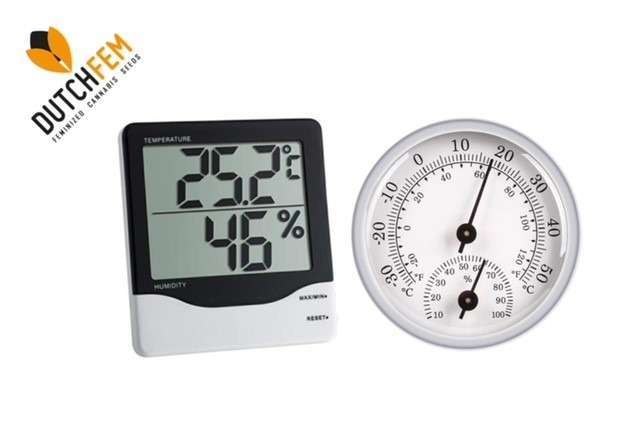
Regular monitoring of RH levels is vital for identifying trends and potential issues. Digital hygrometers provide accurate readings, allowing growers to make informed decisions about humidity control. Implementing alarms for high or low humidity levels can alert growers to take corrective actions promptly.
4. Temperature Monitoring:
Similarly, temperature monitoring is essential for maintaining the desired climate. Digital thermometers placed at various locations within the cultivation space provide accurate temperature readings. Implementing temperature controls linked to the climate control system ensures immediate adjustments when deviations occur.
5. Environmental Sealing:
Proper insulation and sealing of the cultivation space prevent external factors from affecting the indoor environment. This includes sealing windows, doors, and any potential openings where external air and humidity might infiltrate the growing space.
6. Dehumidification and Humidification:
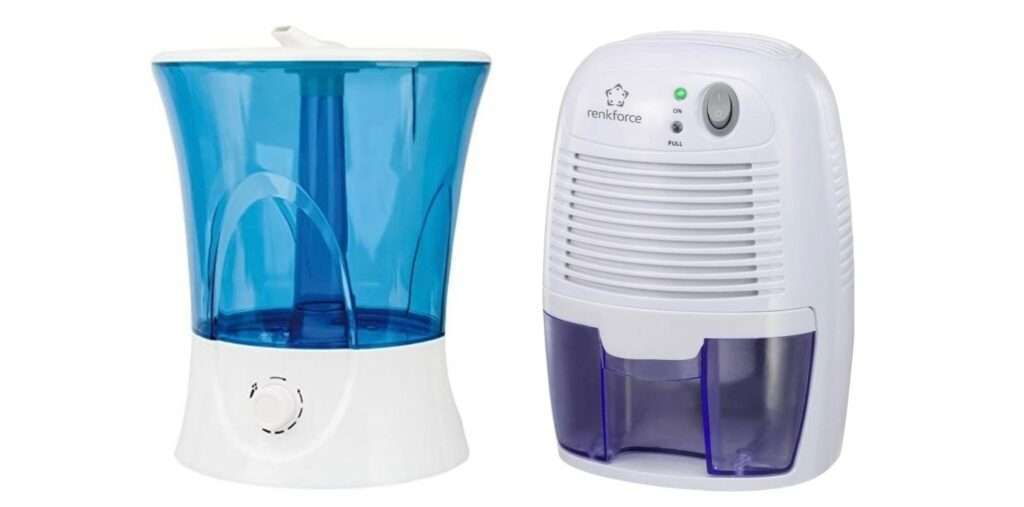
Dehumidifiers and humidifiers are valuable tools for controlling RH levels. Dehumidifiers remove excess moisture from the air, while humidifiers add moisture when needed. Integrating these devices into the climate control system ensures precise control over humidity throughout the cultivation cycle.
7. Light Management:
Lighting systems contribute to both temperature and humidity levels. High-intensity lights generate heat, affecting the overall climate. Choosing efficient lighting systems and implementing light cycles that align with the plant’s growth stages help manage temperature while influencing transpiration rates.
Challenges and Considerations:
While achieving optimal RH and temperature conditions is crucial for successful cannabis cultivation, growers must be aware of potential challenges and considerations.
1. Energy Consumption:
Maintaining a controlled indoor environment requires energy, and growers should be mindful of the associated costs. Implementing energy-efficient equipment and systems can help mitigate the impact on operational expenses.
2. Strain-specific Requirements:
Different cannabis strains may have varying environmental requirements. Some strains may thrive in slightly different temperature or humidity conditions. Growers should be aware of the specific needs of the strains they cultivate and adjust environmental parameters accordingly.
3. Seasonal Variations:
Seasonal changes can impact the indoor environment, affecting temperature and humidity levels. Growers may need to make seasonal adjustments to their climate control systems to account for external factors such as temperature fluctuations and changes in ambient humidity.
Achieving the optimal relative humidity and temperature conditions for indoor cannabis cultivation requires a combination of scientific understanding, advanced technology, and practical experience. By carefully managing the interplay between these environmental factors, growers can optimize plant growth, maximize yields, and produce high-quality cannabis crops. Continuous monitoring, thoughtful equipment selection, and a proactive approach to environmental control are key elements in the successful cultivation of cannabis indoors. As the industry evolves, staying informed about new technologies and best practices will empower growers to adapt and refine their cultivation techniques, ultimately contributing to the success and sustainability of indoor cannabis cultivation.
Recognizing and Preventing Mold on Cannabis
Optimal LED Light Intensity for Growing Cannabis: Week-by-Week Guide
























You must be logged in to post a comment.