


How do you prevent odor nuisance during cannabis cultivation?
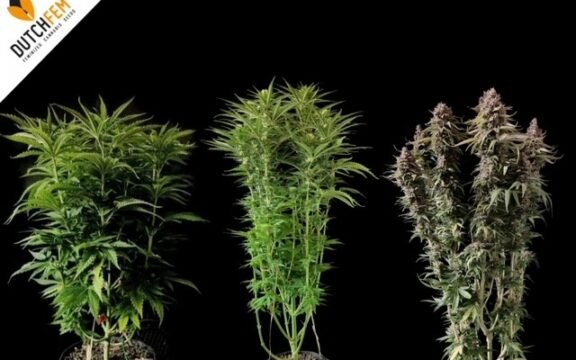
Odor nuisance is one of the most common problems that cannabis growers must try to prevent. The strong smell of Cannabis has often caused problems for (illegal) cannabis farms. The most frequently asked question to our customer support is: which cannabis strain gives off the least odor. Our honest answer is that there is no species that emits little or no odor. There are a number of causes and solutions for this odor problem and we would like to list them for you.Cannabis plants tend to emit the strongest and most noticeable odors during the flowering stage of their life cycle. This is when the plants are producing flowers, also known as buds, which contain the highest concentration of aromatic compounds, including terpenes. Terpenes are responsible for the distinctive scents associated with different cannabis strains.
The flowering stage typically occurs after the plant has gone through the vegetative growth phase and is triggered by a change in the light cycle (usually when the dark period becomes longer than the light period). As the plant shifts its focus from vegetative growth to reproduction, it begins to produce flowers that contain cannabinoids (such as THC and CBD) and terpenes.
Here are some key points regarding the timing of strong cannabis odors:
Late Vegetative Stage:
Towards the end of the vegetative stage, cannabis plants may start to exhibit a mild scent, but it is not as pronounced as during the flowering stage.
Early Flowering Stage:
The smell becomes more noticeable as the plants enter the early stages of flowering, and the buds start to form.
Mid to Late Flowering Stage:
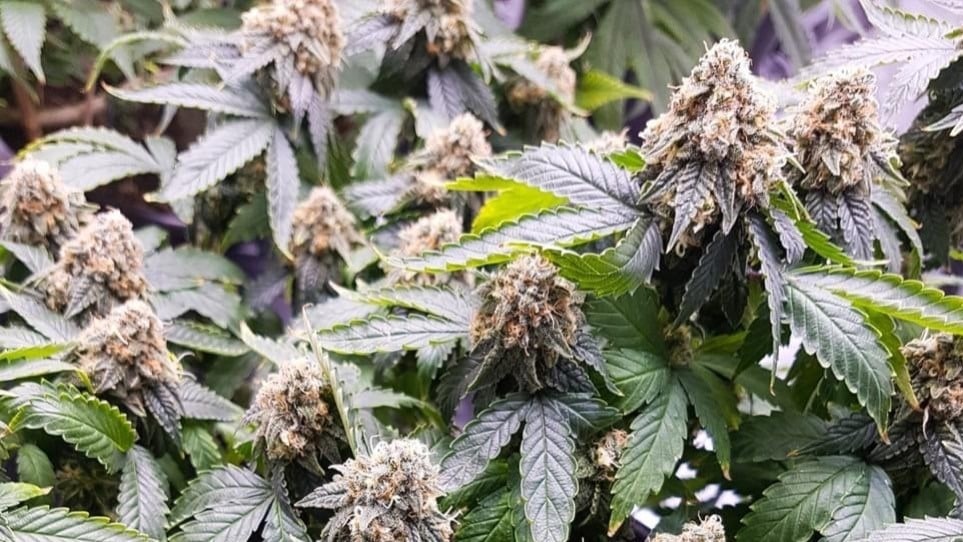
The peak of the cannabis plant’s odor production occurs during the mid to late flowering stage when the buds are maturing, and the concentration of terpenes is at its highest.
Harvest Time:
The last weeks before harvest are often when the scent is most pungent, signaling that the buds are reaching their peak in terms of cannabinoid and terpene production.
It’s important for cannabis growers to be aware of the potential for strong odors during the flowering stage, especially if they are cultivating in an environment where odor control is a concern. Implementing effective ventilation, air filtration systems, and other odor control measures during this stage can help minimize the impact of cannabis odors on the surrounding environment.
To dry:
When the cannabis buds dry, they also release an extremely strong odor. Don’t underestimate this. You are now almost done and it would be a great shame if you saw all your work go to waste because unwanted guests are attracted to this scent.

Warning! Pay particular attention to the smell when harvesting and cutting your cannabis plants. This is the moment when the plants give off the most odor and you are less aware of it because you have become accustomed to the cannabis smell. Make sure you work in a closed space or tent during harvesting and use an extractor with a carbon filter. It is also important to keep the drying cupboard or room closed while drying the cannabis buds and to only remove the stench through a carbon filter.
How do you prevent odor nuisance during cannabis cultivation?
The strong smell of cannabis plants is primarily attributed to the presence of aromatic compounds called terpenes. Terpenes are organic hydrocarbons produced by various plants, including cannabis, and they play a role in the plant’s defense mechanisms, as well as attracting pollinators. In cannabis, terpenes contribute not only to the distinctive aroma but also to the overall effects and flavors of different strains.
If you want to make your grow room fragrance-free or reduce the cannabis odor, here are some strategies to consider:
Ventilation:
Install a high-quality ventilation system with an exhaust fan that can effectively remove air from the grow room. This helps to expel the odor outside, preventing it from lingering in the room.
Carbon Filters:
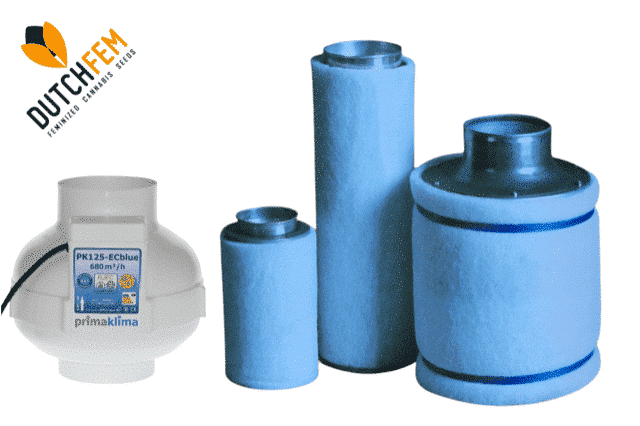
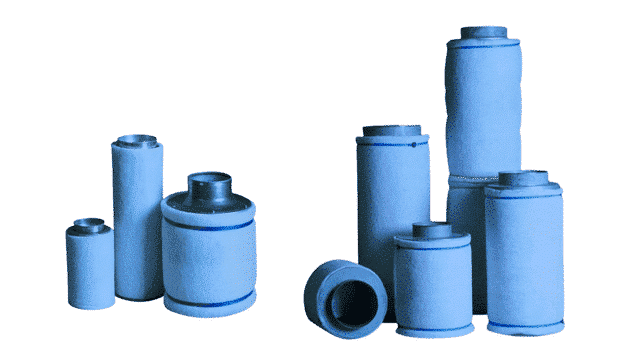
Use carbon filters in your ventilation system. Carbon filters are effective in neutralizing odors by adsorbing the volatile compounds responsible for the smell. Make sure to replace or recharge the carbon filters as needed for optimal efficiency.

Negative Air Pressure:
Set up your grow room with negative air pressure, meaning that more air is being pulled out of the room than is being drawn in. This helps contain and expel the odorous air outside.
Air Purifiers:
Consider using air purifiers with activated carbon filters to further reduce odors within the grow room.
Seal Gaps and Cracks:
Ensure that the grow room is properly sealed. Seal any gaps, cracks, or openings where air can escape and odors can potentially leak.
Choose Low-Odor Strains:
Some cannabis strains naturally produce fewer terpenes or have less pungent odors. Choosing strains with lower odor profiles can help mitigate the overall smell.
Ozone Generators:
Ozone generators can be effective in neutralizing odors, but caution is needed as high levels of ozone can be harmful to humans and plants. If used, ensure that the grow room is well-ventilated, and follow safety guidelines.
Control Humidity:
High humidity can intensify odors. Maintain optimal humidity levels in your grow room to prevent conditions that may enhance the release of terpenes.
Regular Cleaning:
Keep the grow room clean to minimize the buildup of odors. This includes regularly cleaning equipment, surfaces, and any materials that may absorb or retain odors.
Containment Measures:
Implement measures to contain odors within the grow room. This can include using sealed grow tents or rooms with proper ventilation and filtration systems.
Prevent odor nuisance :It’s important to note that completely eliminating the scent of cannabis may be challenging, but a combination of these strategies can significantly reduce the smell. Additionally, being mindful of local regulations regarding cannabis cultivation and odor control is essential to ensure compliance.
What are the best LED lights for Cannabis cultivation
























You must be logged in to post a comment.