


Comprehensive Guide to Preventing Cannabis Plant Stretching: Strategies for Successful Cultivation
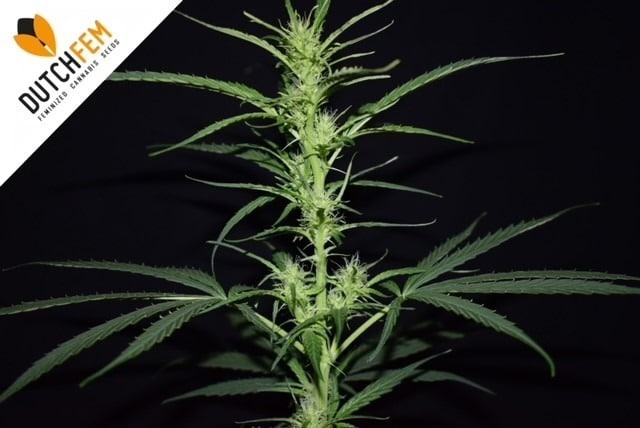
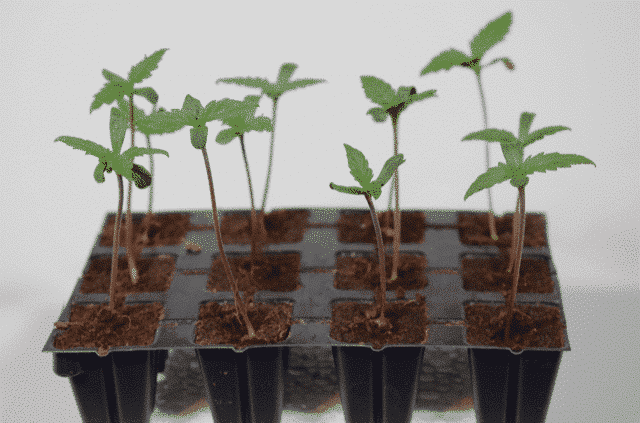
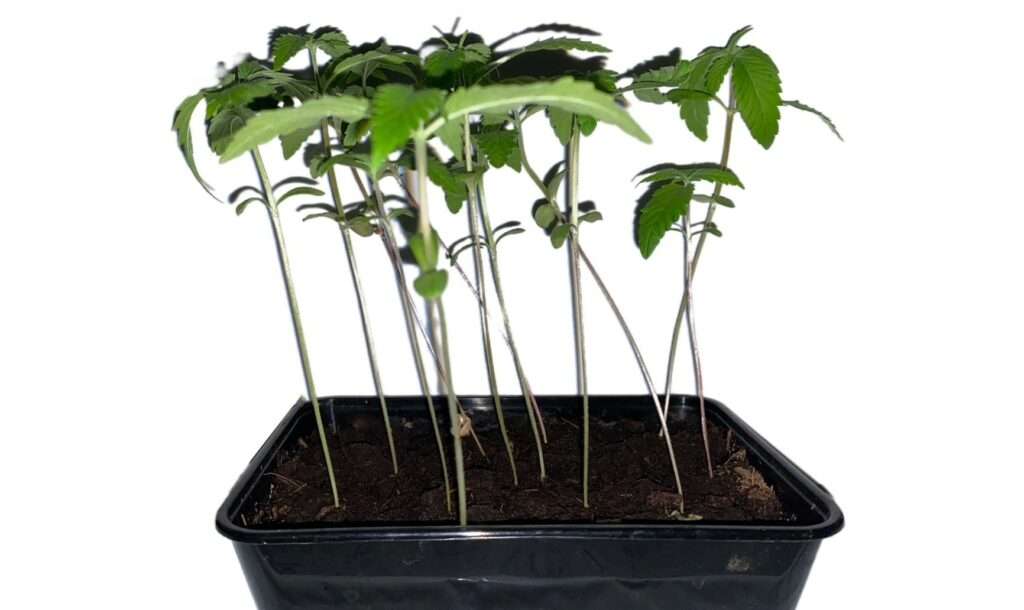
Cultivating cannabis is both an art and a science, demanding a nuanced understanding of the plant’s biology and environmental requirements. One common challenge faced by growers, particularly during the vegetative phase, is the issue of cannabis plant stretching. Stretching occurs when plants exhibit excessive vertical growth, resulting in elongated stems and undesirable spindly structures. This phenomenon is primarily influenced by factors such as lighting, genetics, temperature, and spacing. In this comprehensive guide, we will delve into the root causes of cannabis plant stretching and explore a variety of strategies to prevent and mitigate this issue, empowering cultivators to achieve healthier and more robust plants.
Understanding Cannabis Plant Stretching
Before we delve into prevention strategies, it’s essential to comprehend why cannabis plants stretch in the first place. The vegetative phase is a critical stage in a cannabis plant’s life cycle, during which it focuses on building a strong structural foundation before transitioning to the flowering stage. Several factors contribute to stretching:
- Lighting:
- Insufficient Light: When cannabis plants do not receive enough light, they stretch towards the light source in an attempt to maximize light absorption.
- Improper Spectrum: A lack of essential blue light in the spectrum can lead to elongated internodal spacing and increased stretching.
- Temperature:
- High Temperatures: Elevated temperatures can cause elongated internodal spacing and encourage stretching. Maintaining an optimal temperature range is crucial during the vegetative phase.
- Genetics:
- Strain Characteristics: Some cannabis strains are genetically predisposed to stretching more than others. Choosing strains that align with your cultivation goals and environment is key.
- Spacing:
- Overcrowding: Plants positioned too closely compete for light, leading to vertical stretching. Proper spacing ensures each plant receives adequate light and airflow.
Preventing Cannabis Plant Stretching
Now that we’ve identified the factors contributing to stretching, let’s explore effective preventive measures to promote healthier, more compact cannabis plants.
- Provide Adequate Light:
- Selecting the Right Grow Lights: Invest in high-quality grow lights with a balanced spectrum, including sufficient blue light for compact growth during the vegetative phase.
- Optimal Light Distance: Adjust the distance between the light source and the canopy to prevent overstretching. Follow the manufacturer’s recommendations and monitor plant response.
- Lighting Schedule: Maintain a consistent lighting schedule during the vegetative phase, typically 18-24 hours of light per day. Consistency in light duration is crucial for preventing stress-induced stretching.
- Optimize Temperature and Humidity:
- Temperature Control: Maintain an optimal temperature range between 70-85°F (21-29°C) to discourage excessive stretching. Adequate ventilation and air circulation help dissipate excess heat.
- Humidity Management: Control humidity levels to prevent mold and mildew issues. Aim for a relative humidity (RH) range of 40-60% during the vegetative phase.
- Choose the Right Genetics:
- Research Strain Characteristics: Before selecting a cannabis strain, research its growth characteristics. Indica-dominant strains often exhibit shorter internodal spacing, making them less prone to stretching compared to sativa-dominant varieties.
- Consider Hybrid Strains: Hybrid strains that combine indica and sativa genetics can offer a balanced growth pattern, reducing the risk of excessive stretching.
- Implement Low-Stress Training (LST):
- Early Intervention: Start LST techniques early in the vegetative phase when plants are still flexible. Gently bend and secure branches to encourage lateral growth and a more even canopy.
- Training Methods: Experiment with techniques like tying down branches, bending stems, or using soft ties to encourage horizontal growth. Regular monitoring and adjustments are essential.
- Control Plant Spacing:
- Adequate Spacing: Avoid overcrowding by providing sufficient space between plants. This minimizes competition for light, promotes better airflow, and reduces the risk of disease.
- Scrogging (Screen of Green): Utilize a Scrog setup to train plants horizontally. This method involves placing a screen or net above the plants, allowing them to grow through openings and promoting an even canopy.

Preventing Cannabis Plant Stretching
- Prune and Top:
- Strategic Pruning: Prune during the early vegetative stage to remove excess foliage and encourage bushier growth. Focus on removing the top growth tip to redirect energy to lateral branches.
- Topping: Topping involves removing the apical bud to encourage the growth of multiple colas. This results in a more even canopy and prevents a single dominant main stem.
- Use Support Structures:
- Stakes and Trellises: Provide physical support using stakes, trellises, or other structures to prevent plants from leaning or stretching. This is particularly useful during the flowering stage when buds become heavy.
- Early Support: Implement support structures early in the vegetative phase to guide plant growth and prevent issues later in the cultivation cycle.
- Monitor Nutrient Levels:
- Balanced Fertilization: Maintain a balanced nutrient profile to prevent deficiencies or imbalances that could contribute to stretching. Regularly monitor nutrient levels in soil or hydroponic systems.
- Nutrient Timing: Provide nutrients in appropriate amounts and at the right stages of growth. Adjust nutrient concentrations based on the specific needs of cannabis plants during the vegetative phase.
- Consider Light Stress Techniques:
- Defoliation: Controlled defoliation involves removing specific leaves to allow better light penetration and airflow. However, exercise caution and avoid excessive defoliation to prevent stress.
- Super Cropping: Gently squeeze and bend stems to stress the plant and encourage lateral growth. Super cropping can enhance structural strength and reduce stretching.

Preventing cannabis plant stretching is a multifaceted task that requires a combination of strategic planning, environmental control, and hands-on techniques. By addressing factors such as lighting, temperature, genetics, and spacing, cultivators can significantly reduce the risk of stretching during the vegetative phase. Implementing a holistic approach, including low-stress training, pruning, and support structures, ensures that plants develop into robust, compact specimens with an even canopy. Regular monitoring and adaptation to changing conditions are essential for successful cannabis cultivation. As growers refine their techniques and gain experience, they can create an optimal environment that minimizes stretching and promotes healthy, vigorous cannabis plants from seedling to harvest.
What are the best LED lights for Cannabis cultivation








You must be logged in to post a comment.