


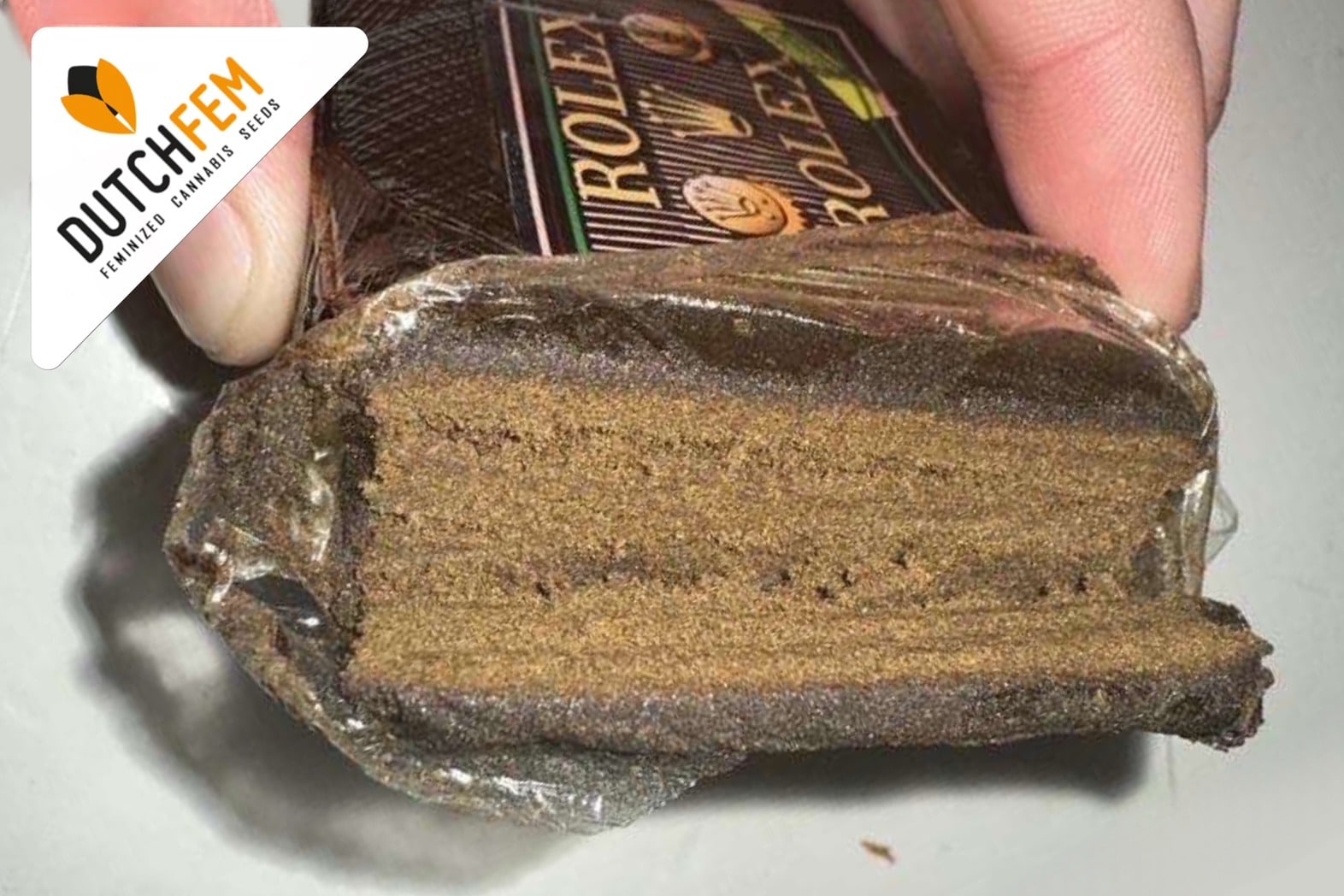
The Art of Making Hash: A Journey Through History and Craft
Hashish — or simply hash — is one of the oldest and most famous cannabis concentrates in the world. For hundreds of years, people have been collecting sticky resin from cannabis plants and pressing it into a powerful, compact form known as hash.
The story of hash takes us across the globe. From the snowy peaks of the Himalayas to the busy markets of North Africa and the Middle East, hash has been used for relaxation, spiritual rituals, and even traditional medicine. In many cultures, it’s more than just a way to get high — it’s a respected tradition.
How its made
How hash is made depends on where it comes from. In places like India and Nepal, hash is often made by hand-rubbing fresh cannabis plants to collect the resin, creating a product known as charas. While in Morocco and Afghanistan, dry-sifting is the traditional method — gently shaking dried cannabis over fine screens to separate the resin glands, which are then pressed into hash. As for in the West, modern techniques like ice water extraction and solvent-based methods are also common. But even with new technology, many cannabis lovers still prefer hash made the old-school way, using age-old techniques passed down through generations.
Today, large amounts of hash are still made in countries like Morocco, Afghanistan, Pakistan, Lebanon, and India. These regions have the perfect climate for cannabis, along with centuries of experience in making hash. Morocco is especially well-known as one of the top producers in the world, supplying a huge part of Europe’s hash. Afghanistan and Pakistan are famous for their rich, sticky types of hash like Afghan Black and charas. Lebanon’s red and yellow hash is also highly respected for its smooth, mellow effects.
In this blog, we’ll dive into the rich history of hashish and take a closer look at how it’s made in different parts of the world
The art of making hash:
- The History and Process of Dry Sift Hash
- The History and Making of Ice-o-Lator (Bubble Hash)
- The History and Production of Charas: The Art of Hand-Rolled Hash
- The History and making of: Rosin Hash
- Best Dutchfem Cannabis Strains for Making Hash
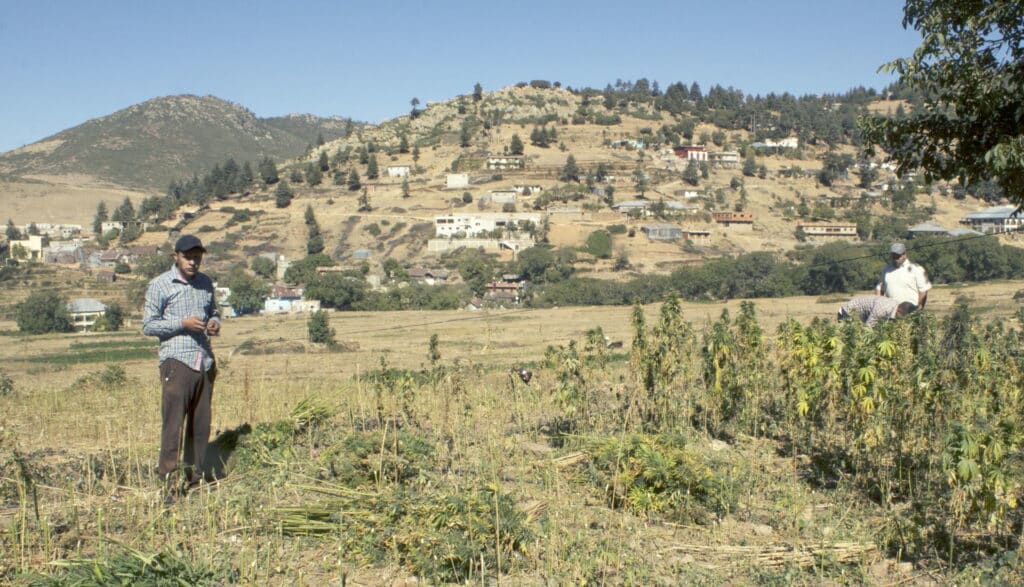
The Art of Making Hash: The History and Simplicity of Dry Sift Hash
Hash, also known as hashish, has been enjoyed for thousands of years. It’s a concentrated form of cannabis made by collecting and pressing the tiny, sticky resin glands (called trichomes) from the plant. Out of all the different ways to make hash, Dry Sift Hash is one of the oldest and simplest methods. It doesn’t need water, heat, or chemicals—just some basic tools, patience, and the right technique.
A Look Back: The History of Dry Sift Hash
Hash has deep roots in human history. Ancient civilizations in places like Persia, India, and the Middle East were already making and using it in various ways—smoking it, adding it to food, or using it in traditional medicine and religious rituals.
Dry Sift Hash, in particular, has been a traditional favorite in areas like Morocco, Afghanistan, and Lebanon. Farmers in these regions would dry their cannabis plants, then gently beat or rub them over fine screens. This would shake loose the trichomes, creating a golden, dusty powder called kief. That powder was then pressed into hash blocks or hand-rolled into balls. Even today, many hash lovers prefer this method for its natural, hands-on process and great results.
What Is Dry Sift Hash and How Is It Made?
Dry Sift Hash is made by sifting dried cannabis over a fine mesh screen to separate the trichomes from the rest of the plant. What falls through is kief—a soft, powdery substance packed with cannabinoids and terpenes. Once collected, the kief can be pressed into solid hash.
This method doesn’t use water, ice, or heat like other techniques such as Bubble Hash or Rosin. Instead, it’s all about gentle movement and gravity. That makes it a cleaner, more natural way to make hash—and it keeps the full flavor and power of the trichomes intact.
Why Choose Dry Sift Hash?
-
No Chemicals or Solvents: Unlike some extraction methods that use butane or alcohol, Dry Sift Hash is 100% natural.
-
Simple and Traditional: All you need is a sieve, some dried cannabis, and a bit of time. No fancy machines or high-tech setups.
-
Strong and Flavorful: Since it’s made from pure trichomes, Dry Sift Hash is rich in both potency and flavor.
-
Long-Lasting: When stored properly, it can stay fresh and strong for years.
Dry Sift Hash is more than just a concentrate — it’s a timeless tradition. Whether you’re a beginner or a seasoned hash lover, learning this method is a great way to connect with cannabis culture in its purest form.

The Art of Making Hash: How to Make Dry Sift Hash
If you want to make Dry Sift Hash at home, you’ll need the following materials:
Requirements:
- Dried and well-trimmed cannabis clippings or buds
- Fine-mesh sieve (70-150 microns)
- Smooth plate (glass, metal, or mirror)
- Card or putty knife to collect the powder
Procedure:
- Prepare Your Cannabis: Start with dried and properly cured cannabis. The drier the plant material, the easier it will be to separate the trichomes.
- Sift the Cannabis: Place your cannabis on top of the fine-mesh sieve and gently move it back and forth. This motion helps break off the trichomes and allows them to fall through the mesh onto the surface below.
- Collect the Kief: The golden powder that collects on the plate underneath is your kief. Use a card or putty knife to carefully gather it into a pile.
- Press into Hash: If you prefer, you can press the kief into a solid block by applying pressure with your hands, a pollen press, or by wrapping it in parchment paper and using a warm iron to help it stick together.
Pro Tips for the Best Dry Sift Hash
- Use Cold Temperatures: Trichomes are easier to break off when they are cold. You can place your cannabis in the freezer for about 30 minutes before sifting.
- Use Different Mesh Sizes: A finer sieve (closer to 70 microns) will give you purer hash, while a slightly larger sieve (around 150 microns) will yield more product but with some extra plant material mixed in.
- Sift Gently: If you apply too much force while sifting, you might end up with unwanted plant material in your hash, reducing its purity.
- Store Properly: Keep your hash in an airtight container in a cool, dark place to maintain its potency and freshness.
How to Use Dry Sift Hash
Once you have made your Dry Sift Hash, you can enjoy it in several ways:
- Smoke it in a Pipe or Joint: Sprinkle a little hash into your rolling paper or pipe for an extra kick.
- Vaporize It: Use a vaporizer designed for concentrates to experience the full flavor and potency.
- Make Edibles: Decarboxylate your hash (heat it at 220°F/105°C for 30-40 minutes) and mix it into butter or oil for homemade edibles.
The Art of Making Hash: Conclusion
Dry Sift Hash is one of the easiest and most traditional ways to make hash. With just a few simple tools and some patience, you can create high-quality, potent hash without any chemicals or complicated equipment. Whether you’re a seasoned hash-maker or a beginner, Dry Sift Hash is a great way to enjoy the best parts of your cannabis harvest.
By understanding the history and refining your technique, you can keep this ancient tradition alive while enjoying one of the purest forms of cannabis concentrate. Happy sifting! Video: Making hash in Morocco
The Art of Making Hash: The History and Process of Ice-o-Lator (Bubble Hash)
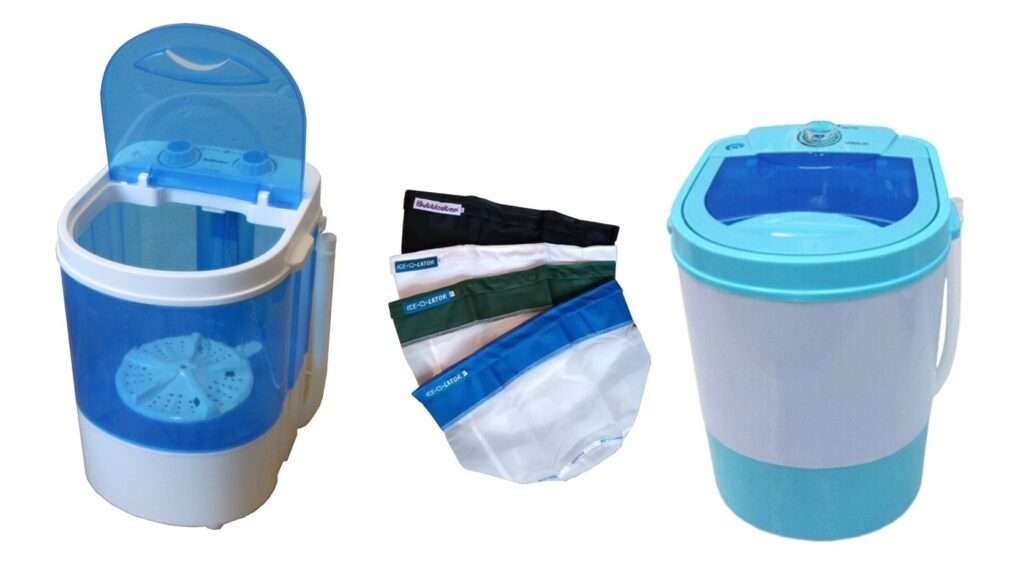
Bubble Hash — also called Ice-o-Lator hash — is one of the cleanest and most effective ways to make hash. It’s made using just ice, water, and special filter bags. This process gently separates the resin glands (called trichomes), which are full of THC, CBD, and aromatic terpenes, from the rest of the plant. The result? A powerful, tasty hash that captures the full flavor and strength of the cannabis plant.
The Story Behind Ice-o-Lator Hash
While the idea of making hash has been around for thousands of years, the Ice-o-Lator method is a more modern twist on an old tradition. The technique became popular in the 1990s thanks to Mila Jansen, a Dutch hash-making pioneer. She created the Ice-o-Lator system, which uses a set of mesh bags to filter out the resin from the plant material with the help of ice and water.
Before this, people mostly made hash by hand-rubbing live cannabis (like charas) or dry-sifting dried buds (like in Morocco and Afghanistan). These traditional methods work well, but they often include more plant material and less purity.
Mila’s Ice-o-Lator method changed the game by offering a cleaner, chemical-free way to make hash that focuses purely on the trichomes — the most valuable part of the plant.

What You Need to Make Ice-o-Lator Hash
Making Bubble Hash at home is relatively simple as long as you have the right tools. Here’s what you need:
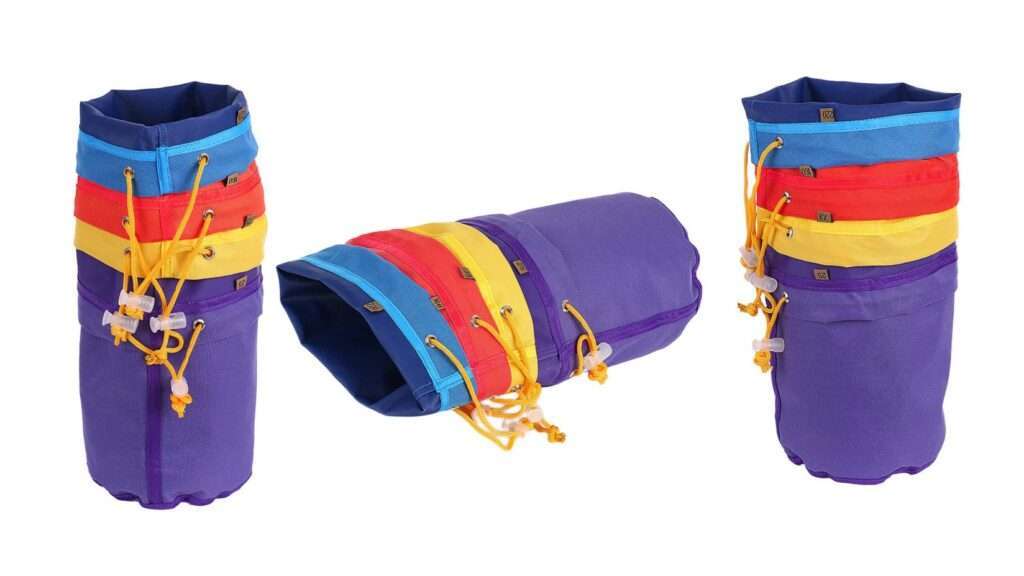
- Ice-o-Lator bags (with different micron sizes)
- A large bucket (preferably 15-20 liters)
- Ice cubes
- Cold water
- A stirring rod or whisk
- High-quality cannabis trim or buds
Using high-quality cannabis is essential for the best results. Freshly frozen or dried plant material with lots of trichomes will yield the most potent hash.
Step-by-Step Ice-o-Lator Hash Making Process
Step 1: Prepare the Ice Bath
Start by filling a large bucket with ice and cold water. The colder the water, the better the extraction process, as low temperatures help the trichomes become brittle and break off easily.
Step 2: Add the Cannabis
Place your cannabis material inside the Ice-o-Lator bag with the largest mesh size and submerge it in the ice-cold water. Let it sit for a few minutes so the trichomes can harden.
Step 3: Stir Gently
Using a stirring rod or a whisk, gently stir the cannabis in the ice water for about 15-30 minutes. The goal is to agitate the material just enough to break off the resin glands without shredding too much plant matter. Stirring too hard can result in green-tinted hash due to excess plant material mixing in with the trichomes.
Step 4: Filter the Trichomes
After stirring, slowly pour the water through the Ice-o-Lator bags, which have progressively smaller mesh sizes. Each layer catches different grades of hash, with the smallest mesh collecting the finest, purest resin.
Step 5: Collect and Dry
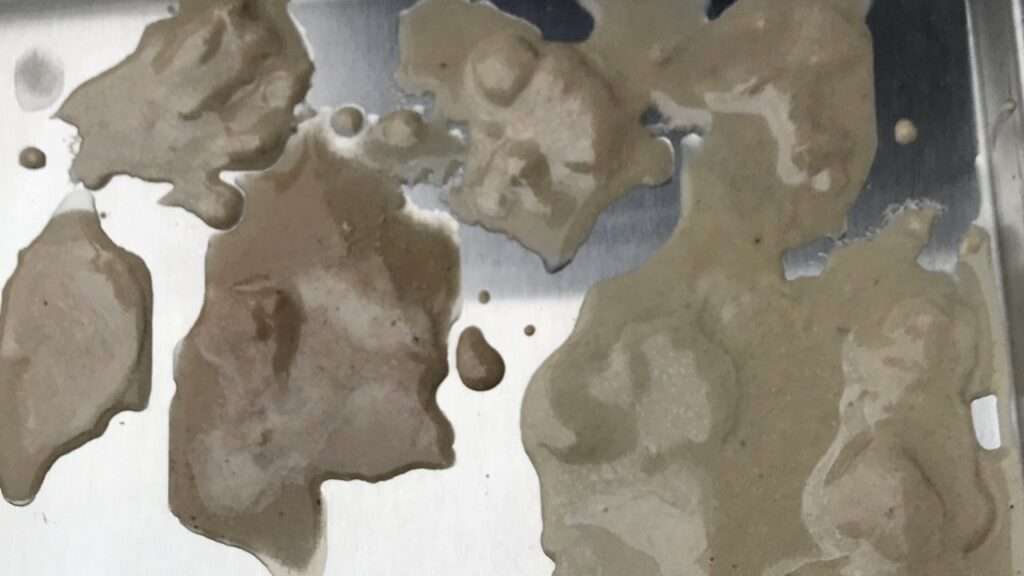
Carefully collect the hash from each bag, placing it on a non-stick surface to dry. Proper drying is crucial to prevent mold growth. A cool, dry place with good air circulation works best. Some hash makers use a microplane or a sieve to break up the hash into small pieces to speed up drying.
Step 6: Press and Store
Once completely dry, press the hash together to form a solid mass. You can shape it into small blocks or keep it in a powder form. Store it in an airtight container in a cool, dark place to maintain its potency and freshness.
Tips for Making High-Quality Bubble Hash
- Use ice-cold water: The colder the water, the better the trichomes separate from the plant material.
- Don’t over-stir: Being too aggressive can break up plant material and contaminate the hash.
- Let it dry completely: Moist hash can develop mold, ruining your product.
- Use multiple mesh sizes: Different bag sizes catch various grades of hash, with the finest mesh producing the highest quality.
The Art of Making Hash: Why Choose Ice-o-Lator Hash?
Bubble Hash is widely regarded as one of the best hash types because it is solvent-free, retaining all the natural terpenes and cannabinoids of the original plant. The process is easy to do at home with minimal equipment, and the final product is potent, pure, and flavorful.
Whether you’re a cannabis connoisseur or a home grower looking to make use of trim and small buds, Ice-o-Lator hash is an excellent way to maximize your plant’s potential. With a little patience and the right technique, you can produce top-quality hash that rivals dispensary-grade concentrates.
The Art of Making Hash: The History and Craft of Charas – Hand-Rolled Hash
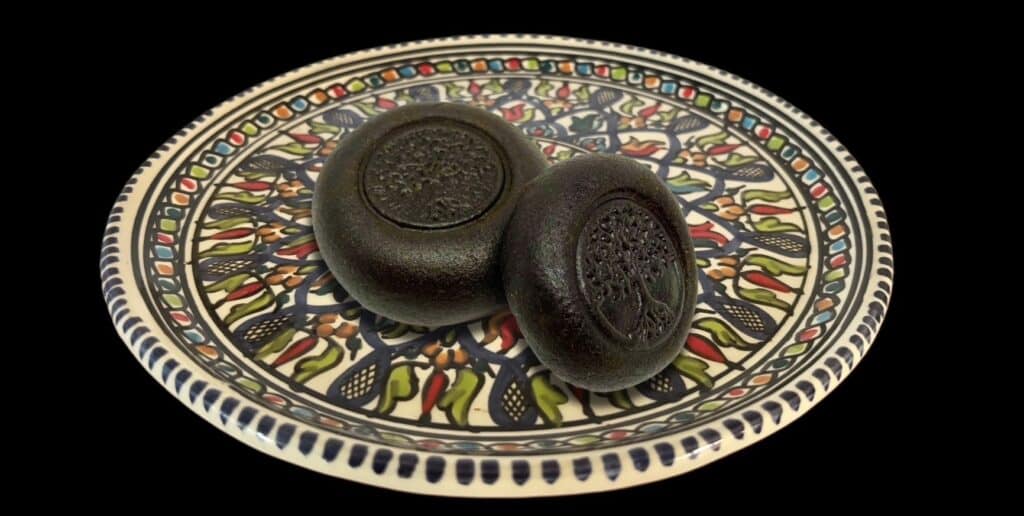
Charas is one of the oldest and most respected types of hashish, deeply rooted in the culture and spirituality of India and Nepal. What makes charas special is how it’s made — not from dried cannabis like most hash, but by hand-rolling fresh, live cannabis buds. This traditional method gives charas a unique taste, smell, and strength that many hash lovers truly enjoy.
In this section, we’ll take a closer look at where charas comes from, how it’s made, and why it holds such a special place in history.
The History of Charas: A Sacred Tradition
Charas has been around for centuries, especially in the Himalayan areas of India and Nepal. It’s not just a way to enjoy cannabis — it’s also deeply connected to spiritual practices, especially within Hinduism. Hindu holy men, called sadhus, often use charas during rituals to help them meditate and reach a deeper spiritual state. Many believe that using charas brings them closer to Lord Shiva, one of the main gods in Hinduism, who is often shown as a great lover of cannabis.
The tradition of making and using charas goes back thousands of years. Ancient texts like the Atharva Veda, written around 2000 BCE, talk about using cannabis for healing and spiritual purposes. Over time, charas became a big part of life in the Indian and Nepalese Himalayas, where wild cannabis grows naturally in the mountain regions.
To this day, charas remains a symbol of both tradition and craftsmanship — a handmade hash that carries the soul of the mountains and the wisdom of ancient practices.
How Charas is Made: A Time-Honored Technique
Making charas is a labor-intensive process that requires patience and skill. Unlike traditional hashish, which is made from dried and sifted cannabis, charas is produced from fresh, sticky buds. Here’s a step-by-step look at how it is made:
- Selecting Fresh Buds – The process begins by carefully selecting fresh, resinous cannabis flowers. The best charas comes from plants that are at peak resin production but have not yet fully matured.
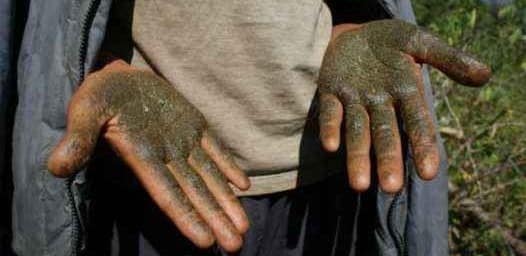
- Hand Rubbing – The most crucial step involves gently rubbing the buds between the palms of the hands. This process can take hours, as the resin gradually accumulates on the skin. The warmth of the hands helps soften the resin and release its aromatic compounds.
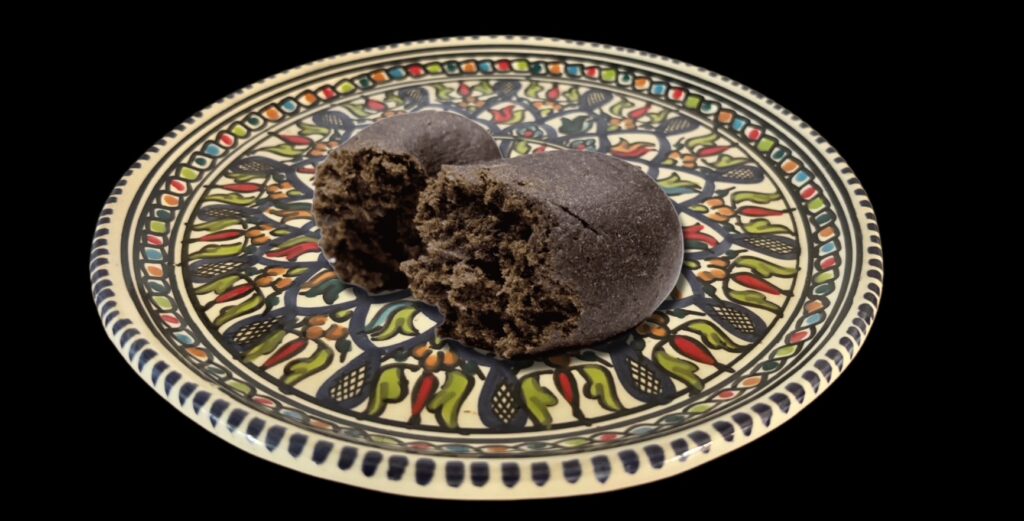
- Collecting the Resin – As the hands become coated in a thick layer of dark, sticky resin, the charas maker carefully scrapes it off and rolls it into small balls or sticks. The quality of the charas depends on how skillfully it is collected and processed.
- Aging and Storage – Some charas is used immediately, while others are aged for weeks or months to develop a richer flavor and aroma. Proper storage helps maintain its potency and prevents it from drying out too quickly.
One of the reasons charas is so highly valued is because of its unique composition. Since it is made from live plants, it contains more terpenes and cannabinoids than traditional hash, resulting in a more complex and flavorful experience.
Where Charas is Made: The Cannabis Heartlands
Charas is primarily produced in the mountainous regions of India, Nepal, and Pakistan, where wild cannabis plants grow in abundance. Let’s take a closer look at the key regions known for charas production:
1. India: The Parvati Valley and Malana Cream
India is perhaps the most famous producer of charas, with the Parvati Valley and the village of Malana being the most well-known regions. Malana Cream, a legendary strain of charas from the Himachal Pradesh region, is considered one of the best in the world due to its high potency and rich flavor.
- Parvati Valley: This remote Himalayan region has been a hub for charas production for centuries. Local farmers and villagers hand-roll charas as part of their cultural heritage.
- Malana: This ancient village, with its unique language and customs, is famous for producing Malana Cream, which has won international recognition for its quality.
Despite legal restrictions, charas production remains a way of life for many communities in these areas. The rugged mountains provide the perfect climate for cannabis to thrive, making it a prime location for hashish production.
2. Nepal: The Land of Temple Balls
Nepal has an equally long history with charas, often called “Nepali Temple Balls.” The capital, Kathmandu, was once a major destination for hippies in the 1960s and ’70s, drawn to the high-quality charas available in the city’s famous Freak Street.
- Kathmandu Valley: Known for its distinctively smooth and potent charas, Nepalese hash is often shaped into round temple balls and aged to enhance its flavor.
- Himalayan Villages: Like in India, charas is made in the high-altitude regions of Nepal, where cannabis grows wild and is harvested for both local use and export.
Although Nepal has strict cannabis laws today, the tradition of charas-making continues in rural areas, where it remains an important part of local culture.
3. Pakistan: The Kush Connection
Pakistan’s Khyber Pakhtunkhwa province and the Swat Valley are known for producing high-quality hashish, some of which is made using charas-style hand-rolling techniques.
- Swat Valley: Often called the “Switzerland of Pakistan,” this region is home to some of the best cannabis genetics in the world, contributing to a thriving underground hash industry.
- Tribal Areas: Along the Afghanistan-Pakistan border, cannabis cultivation and hash production have been a way of life for centuries.
Although most Pakistani hash is made using sieving techniques, some hand-rolled charas can still be found, especially among traditional growers.
Conclusion: A Timeless Craft : Video: Making Charas Hash in India
Charas is more than just a form of hashish—it’s a living tradition that connects people to the land, history, and spirituality. From the sacred rituals of Indian sadhus to the bustling streets of Kathmandu, charas has been an integral part of many cultures for centuries. Despite changing laws and modernization, the art of hand-rolling hash continues to thrive in the Himalayan regions, where skilled artisans pass down their knowledge from generation to generation.
For those lucky enough to experience authentic charas, it offers a unique and powerful connection to the ancient cannabis traditions of South Asia. Whether it’s the legendary Malana Cream from India or the classic Temple Balls from Nepal, charas remains one of the most prized forms of cannabis concentrate in the world.
The Art of Making Hash: Rosin Hash – A Pure and Easy Way to Extract Cannabis
Rosin hash has quickly become one of the most popular ways to enjoy cannabis concentrates. What makes it so special? It’s clean, simple, and doesn’t need any chemicals. Instead of using solvents like butane or alcohol, you can make rosin by applying just heat and pressure. This makes it a safer and more natural option that keeps all the tasty flavors and powerful effects of the plant.
Whether you grow your own weed or just love high-quality concentrates, learning how to make rosin hash is fun, easy, and very rewarding. In this part, we’ll take a look at where rosin hash comes from and how you can make it yourself.
A Quick Look at the History of Rosin Hash
Rosin hash might seem like a new thing, but the basic idea — using heat and pressure to squeeze out cannabis resin — has been around for a long time. In fact, old-school hash methods like India’s hand-rubbed charas or Morocco’s pressed hash are also based on heat and pressure, just in a more traditional way.
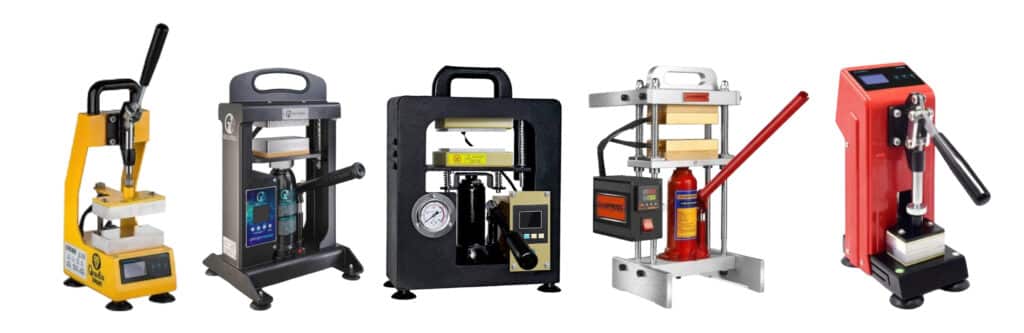
The modern version of rosin really started getting attention around the mid-2010s. Cannabis fans discovered that they could press buds or kief using a simple hair straightener to create a sticky, golden resin — no chemicals needed. This DIY method blew up on social media and forums, and soon after, companies started making special rosin presses for more consistent and powerful results.
 The art of making hash: Rosin
How to Make Rosin Hash at Home
Making rosin hash at home is simple, requiring only a few household items. This method is perfect for those who want a clean, solvent-free concentrate with minimal effort.
What You’ll Need
- Parchment paper – To collect the rosin and prevent sticking.
- A heat press or hair straightener – A dedicated rosin press is ideal, but a hair straightener works well for small batches.
- Cannabis buds, trim, or kief – High-quality starting material will yield the best rosin.
- A scraper or dab tool – To collect the finished rosin.
Step-by-Step Method
1. Prepare Your Cannabis
Before pressing, select high-quality cannabis material. The fresher and more resin-rich your buds or kief, the better your final product will be. If using buds, break them into smaller pieces but avoid grinding them too finely.
2. Set the Right Temperature
Temperature control is crucial for producing high-quality rosin. The ideal range is between 100-120°C (212-248°F). Lower temperatures preserve more terpenes and flavor, while higher temperatures can produce a larger yield but may sacrifice some quality. If using a hair straightener, set it to the lowest possible setting.
3. Prepare the Parchment Paper
Cut a small piece of parchment paper and fold it in half. Place your cannabis material in the center and fold the paper over it, creating a pocket to contain the extract.
4. Apply Heat and Pressure
Position the parchment paper between the plates of your heat press or hair straightener. If using a hair straightener, press down as firmly as possible for about 5-10 seconds. You should hear a slight sizzling sound as the resin melts and oozes out onto the parchment paper.
5. Collect the Rosin
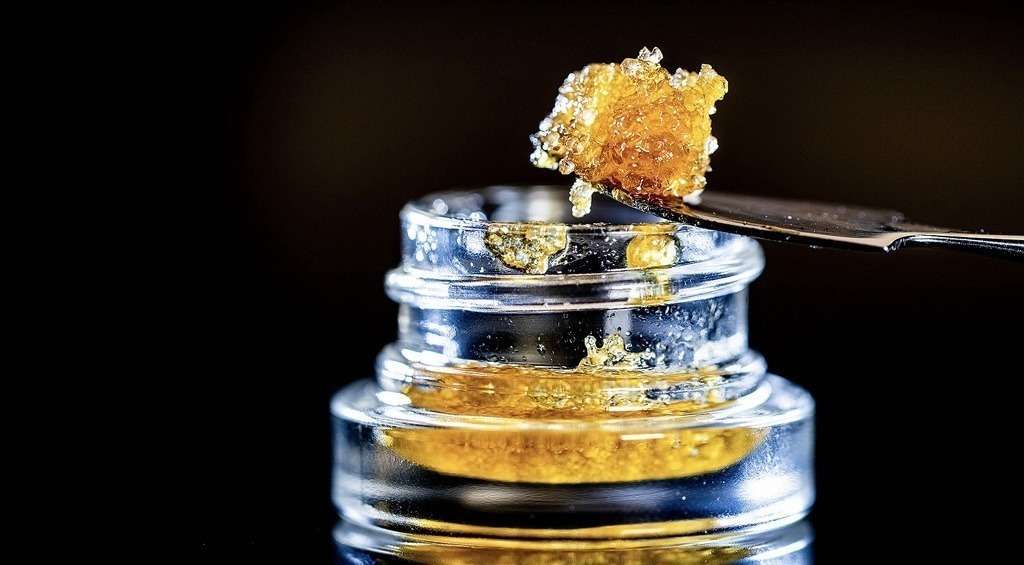
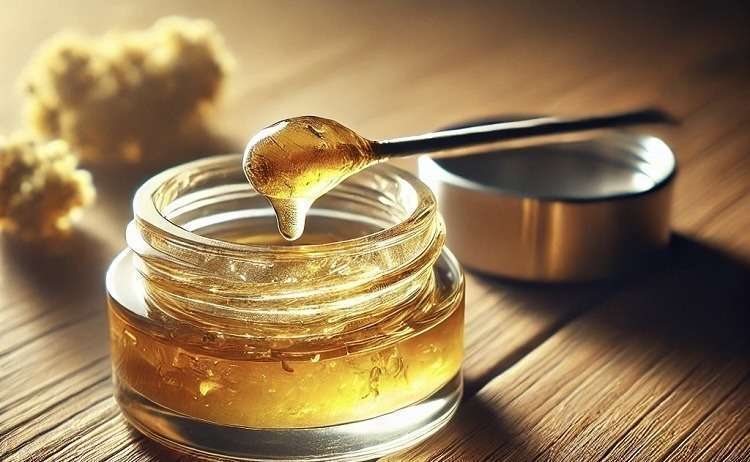
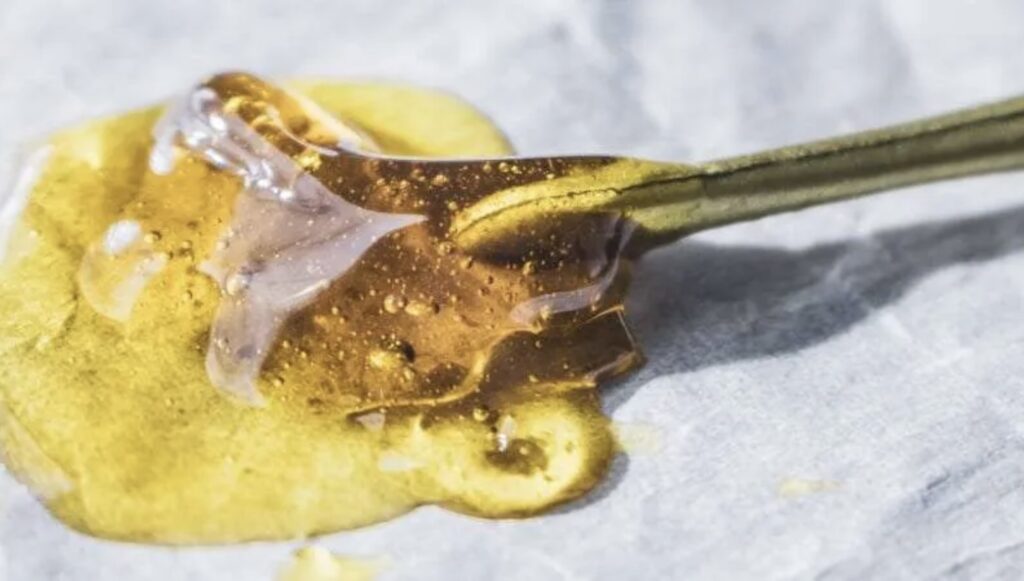
Once the pressing is complete, carefully open the parchment paper. You’ll see a golden, sticky resin on the surface. Use a dab tool or scraper to gather the rosin and store it in a cool, dry place.
Tips for the Best Rosin
- Use Quality Cannabis: The better the starting material you are using , the better the rosin. Above all fresh, sticky buds produce the best results .
- Control the Temperature: Lower temperatures (100-110°C) yield more flavorful rosin, while slightly higher temperatures (110-120°C) may increase yield but could degrade some terpenes.
- Apply Even Pressure: Pressing too lightly may not extract enough resin, while pressing too hard may introduce plant material into the rosin.
- Experiment with Press Times: Shorter press times will help retain terpenes, while longer presses can increase yield but may degrade the product.
The Art of Making Hash: Why Choose Rosin Hash?
Rosin hash has become a favorite among cannabis users for several reasons:
- Solvent-Free: Unlike other concentrates, rosin requires no chemicals, making it one of the cleanest options.
- Full-Spectrum Experience: Rosin preserves all the cannabinoids and terpenes, offering a rich and flavorful experience.
- Easy and Safe to Make: With just a little heat and pressure, anyone can produce high-quality rosin at home.
- Versatile Use: Rosin can be easily dabbed, but also added to joints or infused into edibles.
Final Thoughts : Art of making hash
Rosin hash represents a simple yet powerful way to enjoy cannabis concentrates without the need for solvents or complex equipment. Its rich history, combined with its ease of production, makes it a must-try for any cannabis enthusiast. Whether you’re using a professional press or a humble hair straightener, the result is a clean, potent, and flavorful concentrate that, all in all truly captures the essence of the cannabis plant.
Now you know how to make rosin hash, lets give it a try? With just a little practice, i am sure you’ll be producing top-quality rosin in no time!
Best Dutchfem Cannabis Strains for Making Hash
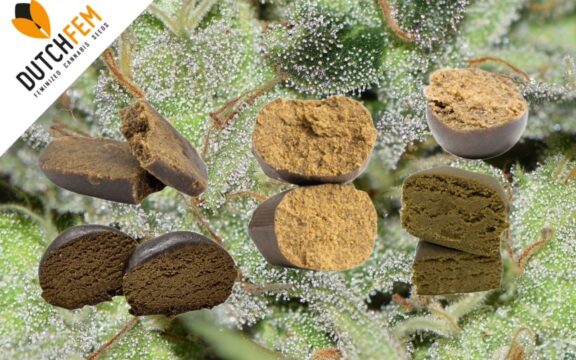
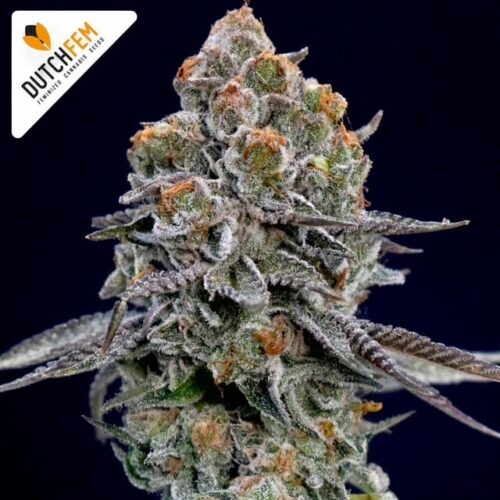
To make good hash, you only need a cannabis strain with as much THC as possible and delicious terpenes. Here are 5 Dutchfem strains in no particular order that are ideal for making hash:
Permanent Marker feminized cannabis seeds
Girl Scout Cookies Kush feminized cannabis seeds
Super Silver Lemon Haze feminized cannabis seeds
Platinum Girl Scout Cookies Autoflowering cannabis seeds
Purple Power Punch Autoflowering cannabis seeds








You must be logged in to post a comment.