

Harnessing Lunar Wisdom: The Influence of the Moon on Outdoor Cannabis Cultivation
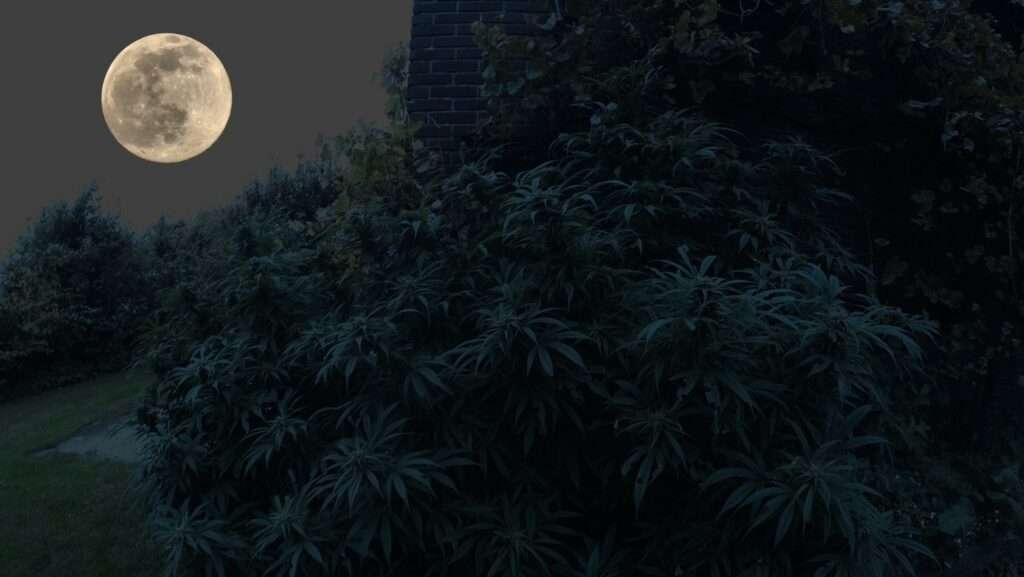
Outdoor cannabis cultivation is an intricate dance with nature, where environmental factors play a significant role in determining the success of the harvest. Among these factors, the moon’s influence on plant life has been a subject of fascination for centuries. From ancient agricultural practices to modern biodynamic farming, the moon’s phases and positions have been considered crucial in optimizing plant growth and health. In this comprehensive exploration, we will delve into the various ways in which the moon influences outdoor cannabis cultivation, examining the impact of lunar cycles on planting, harvesting, and overall plant vitality.
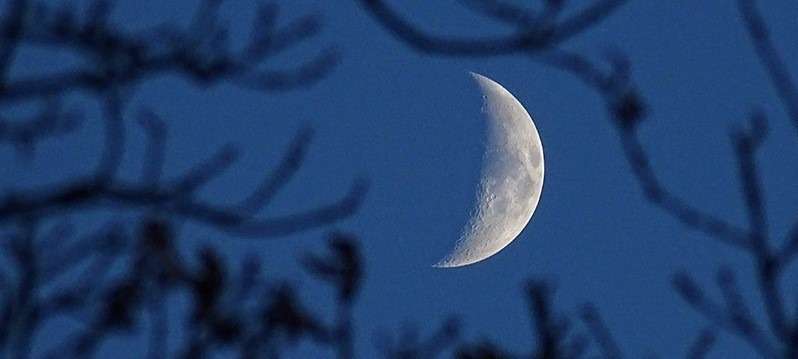
I. Lunar Phases: A Symphony of Growth
New Moon – Seeding and Root Development:
a. Increased Water Uptake: During the new moon, when lunar gravity is at its strongest, water tables rise, making it an ideal time for germination and initial root development.
b. Optimal for Transplanting: Transplanting during the new moon allows plants to focus energy on root establishment, promoting resilience and nutrient absorption.
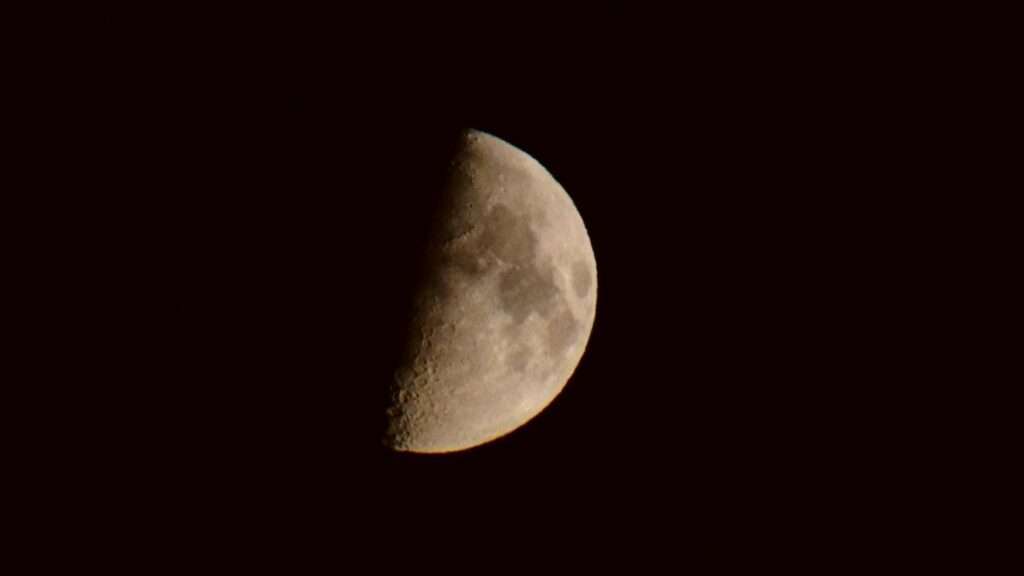
First Quarter – Vegetative Growth:
a. Energy Boost: As the moon waxes, energy is directed upward, promoting vigorous vegetative growth.
b. Pruning and Training: This phase is conducive to pruning and training activities, as the increased sap flow aids in recovery and adaptation.
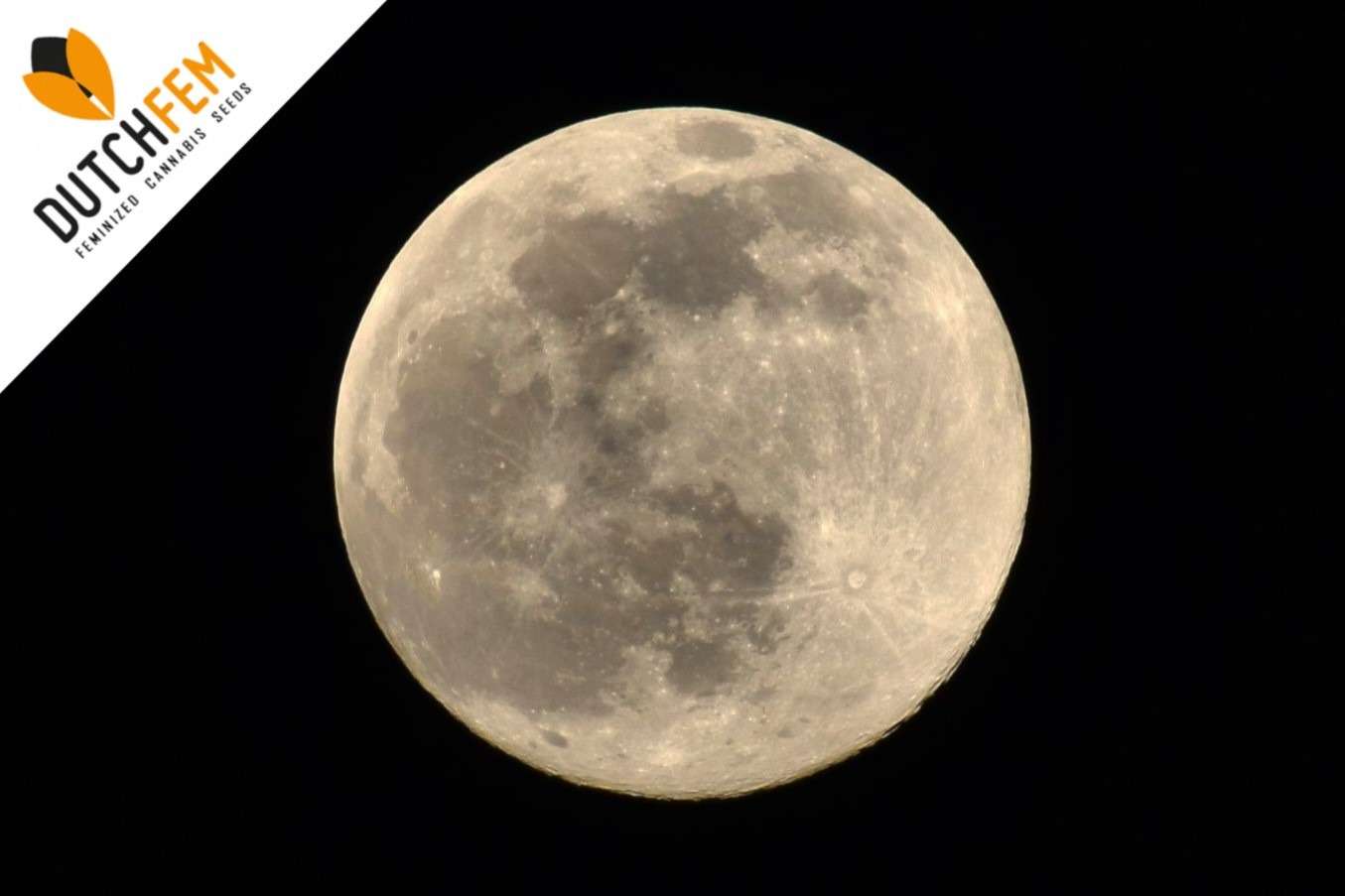
Full Moon – Flowering and Maximum Expansion:
a. Maximum Light Exposure: The full moon provides maximum light, which can stimulate increased photosynthesis and flower development.
b. Flowering Initiation: Many growers choose to initiate the flowering phase during the full moon to capitalize on the plant’s energy allocation toward reproductive processes.
Last Quarter – Root and Nutrient Uptake:
a. Strong Roots: The waning moon is associated with strong root growth, making it an optimal time for nutrient uptake and absorption.
b. Harvest Preparation: Initiating flushing and reducing nutrient inputs in preparation for harvest aligns with the last quarter, ensuring a smoother transition.
II. Lunar Positions: Navigating Celestial Influences
Perigee and Apogee:
a. Perigee (Closest to Earth): Cannabis plants are believed to experience enhanced vitality during perigee, potentially resulting in faster growth and increased resin production.
b. Apogee (Farthest from Earth): This phase is associated with slower growth, and some growers prefer to avoid significant interventions during this time.
Zodiac Signs:
a. Water Signs (Cancer, Pisces, Scorpio): Ideal for watering and nutrient absorption due to increased lunar gravity.
b. Earth Signs (Taurus, Virgo, Capricorn): Favorable for activities such as planting and transplanting, as the moon’s influence on the earth element enhances stability and root development.
c. Air and Fire Signs (Gemini, Libra, Aquarius, Aries, Leo, Sagittarius): Associated with increased sap flow and energy directed toward above-ground growth, making them suitable for pruning and training.
III. Lunar Gardening Practices: Merging Tradition with Science
Biodynamic Agriculture:
a. Maria Thun’s Calendar: Based on the work of Maria Thun, the biodynamic calendar aligns planting, cultivating, and harvesting activities with lunar and cosmic rhythms.
b. Preparation 500: Biodynamic preps, like cow horn manure (preparation 500), are applied during specific lunar phases to enhance soil fertility.
Traditional Agriculture Practices:
a. Moonlight Watering: Watering plants under moonlight is believed to enhance nutrient uptake, promoting overall plant health.
b. Moon Phase Planting: Many traditional agricultural societies follow moon phase planting guidelines for optimal crop yield and health.
IV. Scientific Perspectives: Decoding the Moon’s Impact
Gravitational Influence:
a. Lunar Gravity and Tides: While the moon’s gravitational pull influences tides, its impact on water tables and plant physiology remains a topic of ongoing research.
b. Root Growth Studies: Some studies suggest that lunar gravity may influence root growth patterns, impacting nutrient uptake.
Light Reflection and Photosynthesis:
a. Moonlight and Photosynthesis: While moonlight is significantly weaker than sunlight, some studies indicate that certain plants can perform photosynthesis under moonlight.
b. Flowering Responses: The influence of moonlight on flowering initiation and hormone regulation is an area of interest for researchers.
Chronobiology and Circadian Rhythms:
a. Plant Chronobiology: Plants, including cannabis, exhibit circadian rhythms that respond to light-dark cycles, potentially influencing growth patterns.
b. Research on Cannabis Chronobiology: Ongoing research explores how cannabis plants respond to different light conditions and whether lunar cycles play a role in circadian regulation.
V. Practical Applications: Integrating Lunar Wisdom into Cultivation
Lunar Calendars and Apps:
a. Biodynamic Calendars: Consult biodynamic calendars that outline favorable and unfavorable days for planting, cultivating, and harvesting.
b. Lunar Gardening Apps: Utilize mobile applications that provide real-time information on lunar phases, positions, and gardening recommendations.
Observation and Adaptation:
a. Record-Keeping: Maintain detailed records of cultivation activities aligned with lunar cycles to observe patterns and make informed decisions.
b. Flexibility: Understand that environmental conditions, regional variations, and strain-specific characteristics may influence how plants respond to lunar cycles.
In the realm of outdoor cannabis cultivation, the moon emerges as a silent yet potent ally, guiding the plant through the phases of life with its gravitational dance and illuminating the path to optimal growth. From ancient agricultural traditions to modern scientific inquiry, the moon’s influence on cannabis cultivation is a tapestry woven with wisdom and curiosity. While the exact mechanisms at play are still under exploration, the practical applications of lunar gardening continue to captivate cultivators worldwide. By embracing the lunar wisdom and integrating it into cultivation practices, growers embark on a journey that transcends the scientific and the mystical, ultimately nurturing cannabis plants to reach their fullest potential under the watchful gaze of the celestial companion.








You must be logged in to post a comment.