

Understanding Yellow Leaves on Cannabis Plants: 6 Key Reasons
Cultivating cannabis is a rewarding endeavor that requires careful attention to detail and a solid understanding of plant physiology. One common issue growers encounter is the yellowing of leaves, which can be a cause for concern. Yellow leaves can indicate a variety of problems, ranging from nutrient deficiencies to genetic traits. In this comprehensive blog, we will explore six primary reasons why cannabis leaves turn yellow: nutrient deficiencies, overwatering, pH imbalance, pests and diseases, genetic factors and time to harvest. By understanding these causes, growers can take proactive steps to ensure the health and vitality of their cannabis plants.
- Nutrient Deficiencies
- Overwatering
- pH Imbalance
- Pests and Diseases
- Genetic Factors
- Time to Harvest

1. Understanding Yellow Leaves on Cannabis Plants: Nutrient Deficiencies
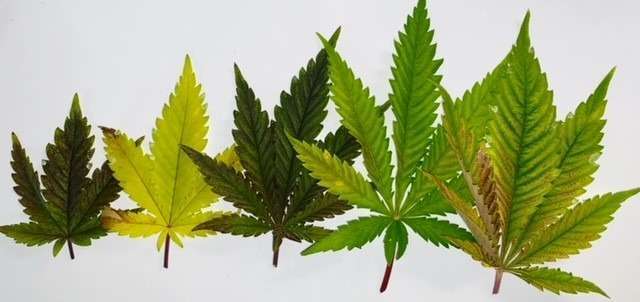
Nutrient deficiencies are a primary cause of yellow leaves on cannabis plants. Each essential nutrient plays a specific role in plant growth and development, and deficiencies can manifest in distinct and sometimes overlapping ways. Understanding these roles and symptoms is crucial for diagnosing and correcting deficiencies to ensure healthy plant growth.
Nitrogen Deficiency
Nitrogen is essential for the production of chlorophyll, which plants need for photosynthesis. A nitrogen deficiency typically starts with the older, lower leaves, causing them to turn yellow and gradually progress upwards. The affected leaves may appear pale and lack vigor. This deficiency often occurs when the nutrient mix is imbalanced or the soil quality is poor. To correct this, use a fertilizer rich in nitrogen during the vegetative stage and ensure the nutrient solution’s pH is optimal for nutrient uptake (6.0-7.0 for soil and 5.5-6.5 for hydroponics). Regularly testing soil and water pH and adjusting nutrient levels as needed can prevent and rectify nitrogen deficiency.
Symptoms:
- Yellowing begins with the older, lower leaves and progresses upward.
- Leaves may appear pale and lack vigor.
Cause: Nitrogen is essential for the production of chlorophyll, which plants need for photosynthesis. A deficiency often occurs when the nutrient mix is imbalanced or the soil quality is poor.
Solution:
- Balanced Fertilization: Use a fertilizer rich in nitrogen, especially during the vegetative stage. Ensure the nutrient solution’s pH is optimal for nutrient uptake (6.0-7.0 for soil and 5.5-6.5 for hydroponics).
- Regular Monitoring: Test the soil and water pH frequently. Adjust nutrient levels as needed to maintain a healthy balance.
Magnesium Deficiency
Magnesium is a key component of chlorophyll and is vital for energy transfer within the plant. A magnesium deficiency is characterized by yellowing of the leaf edges and between the veins, while the veins themselves often remain dark green. Leaves may also curl and develop brown spots. This deficiency is typically caused by poor soil quality or nutrient lockout due to improper pH levels. Adding magnesium sulfate (Epsom salt) to the watering routine and using foliar sprays can help address the deficiency. Ensuring the pH is within the optimal range can prevent nutrient lockout.
Symptoms:
- Yellowing of leaf edges and between the veins, with dark green veins remaining.
- Leaves may curl and develop brown spots.
Cause: Magnesium is a key component of chlorophyll. Its deficiency is often due to poor soil quality or nutrient lockout caused by improper pH levels.
Solution:
- Magnesium Supplements: Add magnesium sulfate (Epsom salt) to the watering routine. Foliar sprays can also be effective.
- pH Management: Ensure the pH is within the optimal range to prevent nutrient lockout.
Iron Deficiency
Iron is crucial for chlorophyll formation and enzyme functions. A deficiency in iron often presents as yellowing in new growth, while older leaves remain green. Yellowing starts at the base of the leaves and progresses outward. This deficiency is often linked to high pH levels or excessive phosphorus. To resolve iron deficiency, apply iron chelates to the soil or nutrient solution and lower the pH to facilitate iron absorption.
By understanding and addressing these common nutrient deficiencies, growers can maintain the health and productivity of their cannabis plants, ensuring vibrant green foliage and robust growth.
Symptoms:
- New growth appears yellow, while older leaves remain green.
- Yellowing starts at the base of the leaves and progresses outward.
Cause: Iron is vital for chlorophyll formation and enzyme functions. A deficiency is often linked to high pH levels or excessive phosphorus.
Solution:
- Iron Chelates: Apply iron chelates to the soil or nutrient solution.
- pH Adjustment: Lower the pH to facilitate iron absorption.
Potassium Deficiency
Potassium deficiency is another common nutrient issue that can lead to yellow leaves on cannabis plants. Potassium plays a vital role in various physiological processes, including water uptake, enzyme activation, and photosynthesis. It is crucial for overall plant health and particularly important during the flowering stage to ensure robust bud development and overall plant resilience.
Symptoms:
- Yellowing starts at the leaf edges and tips, progressing inward.
- Leaves may develop brown or burnt spots.
Cause: Potassium is crucial for overall plant health, affecting water uptake, enzyme activation, and photosynthesis.
Solution:
- Potassium-Rich Fertilizers: Use fertilizers that are high in potassium, particularly during the flowering stage.
- Regular Monitoring: Keep a close watch on nutrient levels and adjust as needed.
Read more here: Understanding and Addressing Common Nutritional Deficiencies in Cannabis Cultivation
2. Understanding Yellow Leaves on Cannabis Plants: Overwatering
Overwatering is a common mistake, particularly among novice growers. While it might seem beneficial to provide ample water, excess moisture can lead to significant problems. The inclination to water plants frequently comes from the belief that more water will foster faster growth and healthier plants. However, this practice can be detrimental, causing more harm than good.
One of the primary issues with overwatering is root rot. Plant roots need oxygen to function correctly, and excessive water can suffocate them by filling up the air spaces in the soil. When roots are deprived of oxygen, they become susceptible to fungal infections, leading to root rot. This condition severely hampers the plant’s ability to absorb nutrients and water, often resulting in stunted growth, yellowing leaves, and eventual plant death.
Moreover, overwatering creates an environment conducive to pests and diseases. Waterlogged soil can attract fungi, bacteria, and insects that thrive in moist conditions. These pests and pathogens can spread rapidly, infecting not just the overwatered plant but also neighboring plants. The constant presence of moisture can also lead to mildew and mold growth on the soil surface and plant leaves, further deteriorating plant health.
Overwatering also leads to nutrient leaching. When soil is saturated with water, essential nutrients like nitrogen, potassium, and phosphorus are washed away before the plant roots can absorb them. This depletion of nutrients can cause deficiencies, manifesting in poor plant health and reduced growth. Additionally, the frequent watering can disrupt the soil structure, leading to compaction, which further inhibits root growth and nutrient uptake.
To avoid the pitfalls of overwatering, it is crucial to understand the specific water requirements of each plant species and the environmental conditions in which they are grown. Monitoring soil moisture levels before watering can help determine if additional water is necessary. Using well-draining soil and pots with drainage holes can also prevent water from accumulating at the roots. By adopting these practices, growers can ensure their plants receive adequate water without the adverse effects of overwatering, promoting healthier and more vigorous growth.
Symptoms:
- Yellowing leaves that feel limp and soggy.
- Roots may appear brown and rotting.
Cause:
Overwatering reduces oxygen availability to the roots, leading to root rot and impaired nutrient uptake.
Solution:
- Watering Schedule: Water plants only when the top inch of soil feels dry. Ensure pots have adequate drainage.
- Improving Soil Aeration: Use a well-draining soil mix and consider adding perlite or coco coir to enhance aeration.
- Proper Pot Size: Ensure that pots are not too large for the plants, as this can cause water to stagnate around the roots.
Read more: Watering Cannabis Plants

3. Understanding Yellow Leaves on Cannabis Plants: pH Imbalance
Maintaining the correct pH level is critical for nutrient absorption. Even if the nutrients are present in the soil, incorrect pH levels can prevent plants from taking them up. Soil pH, which measures the acidity or alkalinity of the soil, plays a pivotal role in determining the availability of essential nutrients to plants.
The optimal pH range for most plants is between 6.0 and 7.0. Within this range, nutrients like nitrogen, phosphorus, potassium, and trace elements such as iron, manganese, and zinc are readily available for absorption. When the pH level deviates significantly from this range, nutrient availability diminishes. For instance, in highly acidic soils (pH below 6.0), essential nutrients like phosphorus become less available, while toxic metals like aluminum and manganese can become more soluble, potentially harming plant roots and inhibiting growth. Conversely, in highly alkaline soils (pH above 7.0), nutrients like iron, manganese, and zinc become less available, leading to deficiencies that can cause chlorosis (yellowing of leaves) and other growth issues.
A pH imbalance can mimic nutrient deficiencies even when the soil is nutrient-rich. This is because certain nutrients are chemically bound in forms that plants cannot absorb at inappropriate pH levels. For example, iron is abundant in many soils but becomes insoluble and unavailable to plants in alkaline conditions, leading to iron deficiency symptoms. Similarly, phosphorus, a crucial nutrient for energy transfer and root development, becomes less soluble in both highly acidic and highly alkaline soils.
To manage pH levels effectively, it is essential to regularly test the soil pH using pH meters or test kits. If the soil is too acidic, adding lime (calcium carbonate) can help raise the pH to a more neutral level. If the soil is too alkaline, sulfur or organic matter like compost can be added to lower the pH. It is important to adjust pH gradually and re-test the soil to avoid overshooting the desired pH range.
In conclusion, maintaining an appropriate pH level is essential for optimal nutrient uptake and overall plant health. Regular monitoring and adjustment of soil pH can help prevent nutrient lockout, ensuring that plants have access to the essential nutrients they need for vigorous growth and development.
Symptoms:
- Yellowing leaves with browning edges.
- Poor overall plant health and stunted growth.
Cause:
pH levels outside the optimal range can prevent the absorption of essential nutrients, even if they are present in adequate amounts.
Solution:
- Regular Testing: Test soil and water pH regularly using a reliable pH meter.
- pH Adjustment: Use pH up or pH down solutions to adjust the pH to the appropriate range (6.0-7.0 for soil and 5.5-6.5 for hydroponics).
- Buffer Solutions: Consider using buffering agents in the nutrient solution to stabilize pH levels.
Read more here: The Importance of pH in Cannabis Cultivation

4. Understanding Yellow Leaves on Cannabis Plants: Pests and Diseases
Cannabis plants are susceptible to various pests and diseases, which can cause yellowing leaves as a symptom of damage. Effective management of these threats is crucial for maintaining healthy plants and maximizing yield.
Pests: Common pests that attack cannabis plants include spider mites, aphids, whiteflies, and thrips. These insects feed on plant sap, weakening the plants and causing leaves to yellow, curl, or drop prematurely. Spider mites, for instance, are tiny but can quickly colonize a plant, creating webs and yellow speckles on leaves. Aphids and whiteflies excrete a sticky substance called honeydew, which can lead to mold growth and further stress the plants. Thrips scrape the surface of leaves, leaving behind silvery patches and causing overall plant vigor to decline.
Diseases: Fungal and bacterial infections are also significant concerns. Powdery mildew, a fungal disease, manifests as white, powdery spots on leaves and can rapidly spread in humid conditions. If left unchecked, it can cover leaves entirely, blocking light and hindering photosynthesis, leading to yellowing and dying leaves. Root rot, caused by fungi like Pythium and Fusarium, occurs in overly moist soil and attacks the roots, preventing nutrient uptake and causing leaves to turn yellow and wilt. Bacterial infections such as bacterial leaf spot cause dark, water-soaked spots that turn yellow and can spread across the plant, leading to extensive foliage damage.
Integrated Pest Management (IPM): To manage pests and diseases effectively, an integrated approach is necessary. Regularly inspecting plants for signs of pests or disease is essential. Biological controls, such as introducing beneficial insects like ladybugs or predatory mites, can help keep pest populations in check. Chemical controls, such as insecticidal soaps or neem oil, can also be used, but they should be applied carefully to avoid harming beneficial insects or the plants themselves. For fungal and bacterial diseases, ensuring proper air circulation, avoiding overhead watering, and maintaining appropriate humidity levels can help prevent infections. In severe cases, fungicides or bactericides may be necessary, but these should be used as a last resort.
In conclusion, pests and diseases can significantly impact cannabis health, with yellowing leaves often being the first visible symptom. By employing a combination of monitoring, biological control, and careful application of treatments, growers can protect their plants and ensure a healthy, productive crop.
Spider Mites
Symptoms:
- Small yellow spots on leaves, eventually leading to yellowing and browning.
- Fine webbing on the undersides of leaves.
Cause: Spider mites feed on plant sap, causing cellular damage and nutrient loss.
Solution:
- Natural Predators: Introduce natural predators like ladybugs or predatory mites.
- Insecticidal Soaps: Use insecticidal soaps or neem oil to control infestations.
- Environmental Control: Maintain lower temperatures and higher humidity to deter spider mites.
Aphids
Symptoms:
- Leaves may turn yellow and curl.
- Presence of sticky honeydew and sooty mold.
Cause: Aphids feed on plant sap, weakening the plant and transmitting diseases.
Solution:
- Biological Control: Introduce beneficial insects such as ladybugs or lacewings.
- Insecticidal Sprays: Apply neem oil or insecticidal soaps to affected areas.
- Regular Monitoring: Inspect plants regularly for early signs of infestation.
Fungal Infections
Symptoms:
- Yellowing leaves with spots or powdery mildew.
- Leaves may curl and drop prematurely.
Cause: Fungal infections thrive in humid conditions and can spread rapidly, affecting plant health.
Solution:
- Improving Air Circulation: Ensure good airflow around plants and reduce humidity levels.
- Fungicides: Apply appropriate fungicides to control the spread.
- Pruning: Remove affected leaves to prevent the spread of the infection.
Read more here: The most Common Infections in Cannabis Plants

5. Genetic Factors
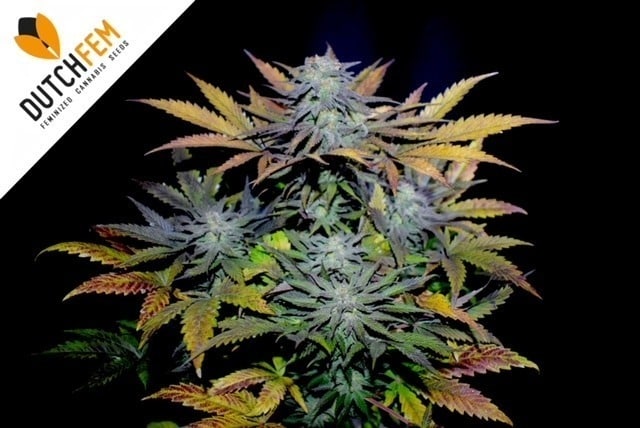
Some strains of cannabis are genetically predisposed to show yellowing and color changes in their leaves as part of their natural life cycle, particularly during the flowering stage. These changes can be mistaken for nutrient deficiencies or other problems, but they are, in fact, a normal part of the plant’s development.
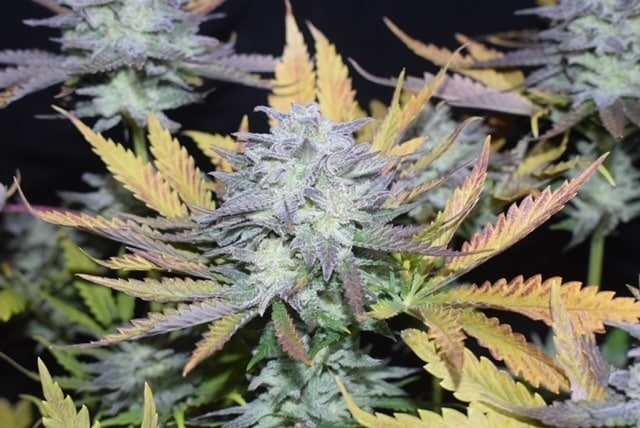
Example: Mimosa Strain: The Mimosa strain is a prime example of a cannabis variety that naturally exhibits striking color changes as it matures. Known for its vibrant appearance and potent effects, Mimosa is cherished by growers and consumers alike for its unique characteristics.
Symptoms:
- Yellowing Leaves: As the plant transitions from the vegetative to the flowering stage, the leaves may start to turn yellow. This yellowing is a normal part of the aging process and indicates that the plant is reallocating its resources to flower production.
- Color Transition: Following the initial yellowing, the leaves may change to red, purple, and eventually dark blue. This progression of colors is due to the production of anthocyanins, pigments that accumulate in the plant tissues as it responds to various environmental factors such as temperature and light.
- Mature Colors: The final dark blue hue is typically seen as the plant reaches full maturity. These dramatic color changes are purely cosmetic and do not signify any health issues or deficiencies. Instead, they reflect the plant’s genetic makeup and its natural response to the flowering phase.
Understanding that these color changes are part of the plant’s genetic programming helps growers avoid unnecessary interventions. Misinterpreting these natural shifts as signs of stress or deficiency can lead to overcorrecting with fertilizers or altering the growing environment in ways that may not benefit the plant.
Conclusion: Recognizing the genetic factors that influence leaf coloration is essential for successful cannabis cultivation. Strains like Mimosa, with their vivid and dynamic color transitions, showcase the diversity and complexity of cannabis genetics. By appreciating these natural changes, growers can focus on providing optimal care for their plants without unnecessary concern over the normal and expected variations in leaf color.
Symptoms:
- Leaves turn yellow, then red, purple, and finally dark blue as the plant matures.
- Color changes are part of the plant’s natural progression and not indicative of a problem.
Cause: Genetic traits dictate the color changes in certain strains. These changes can be influenced by factors such as temperature, light, and nutrient availability.
Solution:
- Understanding Genetics: Recognize that these color changes are normal for certain strains.
- Environmental Optimization: Maintain optimal growing conditions to enhance the natural coloration process.
- Documentation: Keep records of strain-specific characteristics to differentiate between genetic traits and potential issues.
Tips for Managing Genetically Determined Color Changes
- Temperature Control: Cooler temperatures can enhance the expression of anthocyanins, leading to vibrant colors.
- Nutrient Management: Ensure a balanced nutrient regimen to support overall plant health.
- Light Intensity: Adjust light intensity to optimize plant growth and coloration.

6. Time to Harvest
If the leaves of a cannabis plant turn yellow at the end of flowering, there is no reason to panic. Also, there is then little point in trying any nutrition or PH changes. Just remove them so they no longer block light for healthy green leaves and get ready to harvest!
As cannabis plants near the end of their flowering stage, the anticipation of harvest grows. This is a critical period where monitoring the plants closely ensures that the buds are harvested at their peak potency and flavor. Recognizing the signs that indicate it’s time to harvest can make a significant difference in the quality of the final product.
Key Indicators for Harvest:
- Trichome Color: One of the most reliable indicators is the color of the trichomes, the tiny, crystal-like structures on the buds. Under magnification, trichomes change from clear to milky white and then to amber as the plant matures. Harvesting when most trichomes are milky with some turning amber is ideal for achieving the best balance of THC and other cannabinoids.
- Pistil Color: The pistils, or hair-like structures on the buds, also change color as the plant matures. Initially white, they gradually turn orange or brown. When about 70-80% of the pistils have changed color, it’s generally a good time to consider harvesting.
- Leaf Condition: As the plant focuses its energy on bud development, it’s common for the fan leaves to yellow and die off. This natural process signals that the plant is nearing the end of its life cycle and getting ready for harvest.
Preparation for Harvest:
- Flushing: About two weeks before harvest, many growers begin flushing the plants by watering with pure water. This process helps to remove any remaining nutrients from the soil, improving the taste and smoothness of the final product.
- Dark Period: Some growers give their plants an extended dark period of 24-48 hours before harvest. This practice is believed to increase resin production, although scientific evidence on this is limited.
Harvest Process:
- Cutting: Using clean, sharp scissors or pruning shears, cut the branches with buds from the main plant.
- Trimming: Trim away the large fan leaves and smaller sugar leaves from the buds. This step can be done immediately after cutting or after a short drying period.
- Drying and Curing: Hang the trimmed branches upside down in a dark, well-ventilated space to dry. After drying, place the buds in airtight containers to cure, opening them occasionally to release moisture and ensure even drying.
Conclusion
Yellow leaves on cannabis plants can be a sign of various underlying issues, from nutrient deficiencies and overwatering to pH imbalances, pests, diseases, and genetic factors. Identifying the specific cause is crucial for implementing the right solution and ensuring healthy plant growth. Regular monitoring, balanced nutrition, and maintaining optimal growing conditions are key to preventing and addressing yellowing leaves.
By understanding the diverse reasons behind yellowing leaves, growers can take proactive steps to enhance their cultivation practices and achieve successful harvests. Whether it’s adjusting the nutrient mix, fine-tuning watering schedules, managing pH levels, controlling pests and diseases, or recognizing genetic traits, a comprehensive approach will help ensure that cannabis plants remain healthy and productive.
Read More: Harvesting Cannabis Plants








You must be logged in to post a comment.