

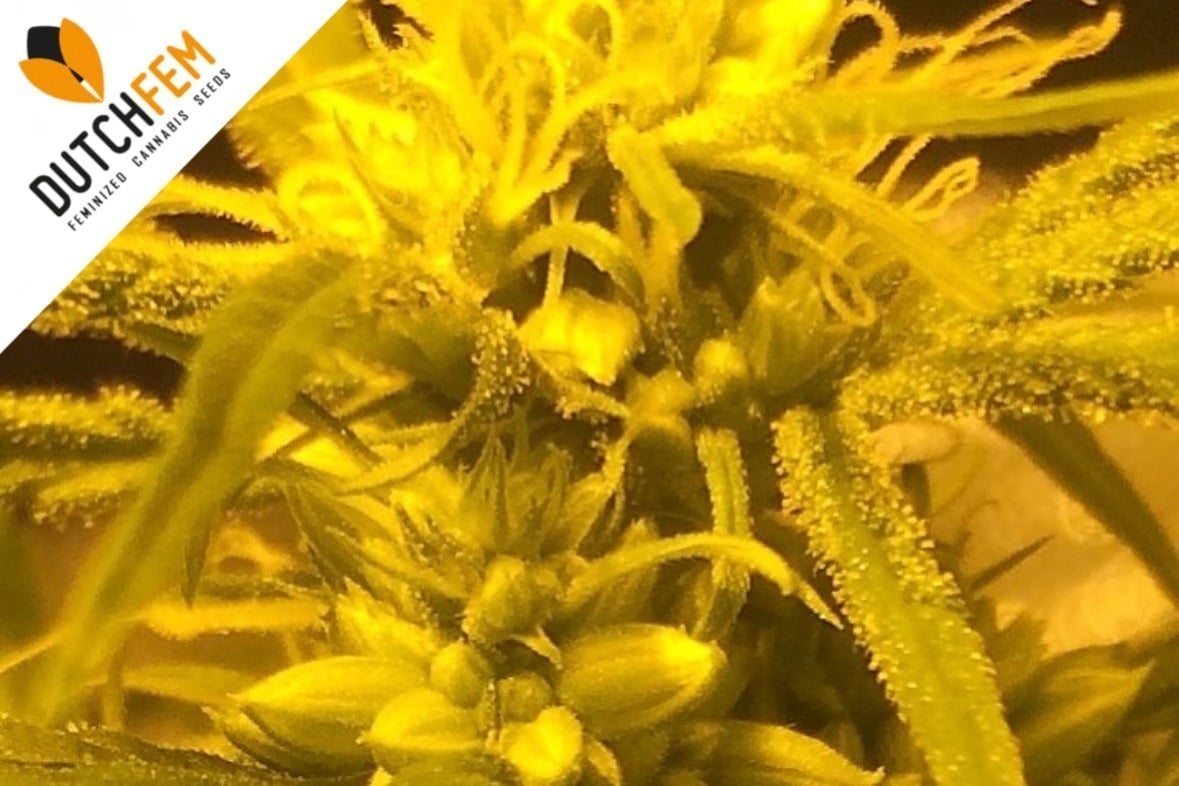
The 5 most common causes of cannabis hermaphroditism
The 5 most common causes of hermaphroditism in cannabis are probably not the ones you as a grower initially think of. Most cannabis growers we speak to with complaints are always very experienced and have never had 1 problem growing because they do everything perfectly well. Every complaint we get, whether it’s a germination failure or yellow leaves, a crop failure or even a pest infestation… it’s all down to the seed anyway. Similarly, if a female plant has had one or more male flowers and some seeds have grown in their buds as a result. It must be because of the seed! Fortunately, over the years we have rarely received a complaint about hermaphrodites or pollinated plants, but it is of course very annoying if it happens to you.
Of course, hermaphroditism also occurs due to genetic defects and weak genetics, but of course that is not the case with our seeds. Our seeds are made with very strong genetics and of course tested extensively before they are packaged and sold, so we have already ruled out the possibility of hermaphroditism occurring as a result.
The real causes of these hermaphroditism problems often turn out to be slightly different and, with some tips and tricks from our Dutchfem master growers, very easy to detect and solve. Male flowers do not only occur with feminised cannabis seeds, but also with autoflowers, regular seeds, and even with cuttings from 100% female motherplants.
This is because it is a ‘survival mechanism’ that automatically kicks in with female plants that are not pollinated/fertilised. This way, these female plants produce their own pollen with which they fertilise themselves, thus ensuring that they still produce offspring (seeds). This, of course, immediately gives away one of the most common causes of hermaphrodites: allowing cannabis plants to flower too long than necessary. No matter which strain of seed or cutting you use, leave them to flower too long and you’re bound to see male flowers appear in your buds.
As different strains of stress are also important causes, here are the 5 most common causes of cannabis hermaphrodites. Because with this problem, prevention is better than (impossible to) cure…
Cannabis hermaphroditism occurs when a cannabis plant develops both male and female reproductive organs, leading to the production of both pollen and flowers. This can result in self-pollination and lower-quality yields due to the production of seeds rather than buds. Several factors can cause hermaphroditism, usually related to environmental stress. Here are the five most common causes:
- Part 1: Cannabis Hermaphroditism and Excessive Flowering Time
- Part 2: Light Stress and Cannabis Hermaphroditism
- Part 3: Environmental Stress and Cannabis Hermaphroditism
- Part 4: Physical Damage and Cannabis Hermaphroditism
- Part 5: Nutrient Stress and Cannabis Hermaphroditism
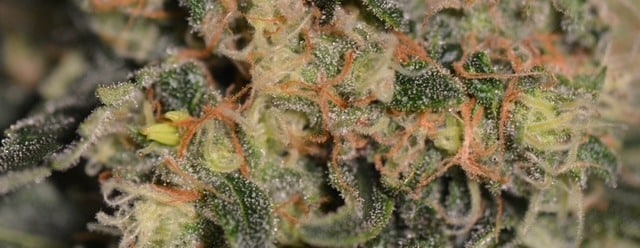
Part 1: Cannabis Hermaphroditism and Excessive Flowering Time
Cannabis plants have specific growth stages, and the flowering phase is when they produce the highly coveted buds. This stage typically lasts between 6 to 12 weeks, depending on the strain. However, in some cases, plants may experience excessive flowering times, meaning the plant is kept in flowering longer than necessary to mature. Prolonged flowering can lead to significant issues, including the risk of hermaphroditism, where a female cannabis plant begins developing male characteristics (pollen sacs) alongside female flowers. This process can be detrimental to yields, plant health, and overall crop quality. Understanding the relationship between excessive flowering time and hermaphroditism is crucial for cannabis growers aiming to avoid this problem.
Causes of Hermaphroditism in Cannabis
Hermaphroditism occurs when cannabis plants produce both male and female reproductive organs. This condition usually arises as a survival mechanism in response to stress. If the plant senses environmental stress or perceives that its survival is at risk, it may develop male flowers (which produce pollen) in an effort to self-pollinate and ensure the continuation of its genetics.
Several factors can contribute to the development of hermaphroditism, and excessive flowering time is a major one. Let’s explore how this happens:
The Impact of Excessive Flowering Time on Hermaphroditism
- Delayed Maturity and Reproductive Urgency:
- Cannabis plants that are stuck in the flowering phase for too long may eventually sense that they are not reproducing effectively. If a plant does not fully mature within its normal timeframe, it can initiate hermaphroditic traits as a final effort to pollinate itself and produce seeds before the growing cycle ends. This is especially common in strains with a long flowering period, such as Sativa-dominant varieties, which already have extended flowering times compared to Indica-dominant varieties.
- Hormonal Imbalance Due to Overextended Flowering:
- The flowering phase of cannabis is controlled by plant hormones, particularly gibberellins, auxins, and ethylene. When flowering takes too long, the hormonal balance can become disrupted. Prolonged exposure to flowering signals can push the plant’s hormonal system to compensate, potentially causing male flowers to develop alongside the female flowers. This is the plant’s natural attempt to self-pollinate and create seeds, ensuring that the genetic line continues if it feels the normal flowering process is failing.
- Ethylene is the hormone responsible for promoting female flower development, while gibberellins encourage male flower development. When stress caused by excessive flowering time, the ratio between these hormones can shift, leading to the plant expressing male traits, thus becoming hermaphroditic.
Consequences of Hermaphroditism Due to Excessive Flowering
When cannabis plants develop hermaphroditic traits, they produce pollen, which can pollinate female flowers, leading to the production of seeds within the buds. This process reduces the overall quality and potency of the harvest, as energy that would normally go toward developing resinous, THC-rich buds is instead used to form seeds. Additionally, once a plant starts producing pollen, it can pollinate other nearby plants, potentially compromising an entire crop.
Conclusion
Excessive flowering time can significantly increase the risk of hermaphroditism in cannabis plants. Hormonal imbalances and reproductive urgency can contribute to this condition, leading to lower yields and diminished bud quality. To avoid these issues, it’s essential to provide a stable growing environment and monitor the flowering stage carefully to ensure it progresses smoothly and on time.
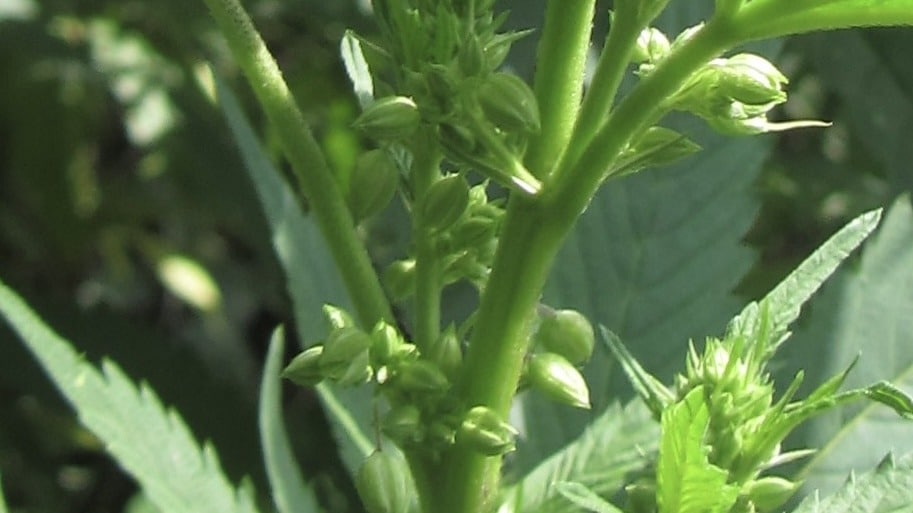
Part 2: Light Stress and Cannabis Hermaphroditism
One of the most significant stress factors that can trigger hermaphroditism in cannabis plants is light stress. Light is a crucial environmental factor for cannabis growth, and plants are particularly sensitive to changes in light cycles during their flowering phase. Inconsistent light cycles, light leaks, or exposure to light during the dark period can disrupt the plant’s natural hormonal balance, leading to the development of male reproductive organs (pollen sacs) alongside female flowers, a condition known as hermaphroditism.
Photoperiod Sensitivity
Cannabis is a photoperiod plant, meaning its flowering phase is controlled by the amount of light it receives. In nature, cannabis plants rely on the changing seasons to trigger their flowering cycle. As the days grow shorter in late summer and early autumn, the plant detects the reduction in daylight hours and begins to flower. Indoor cultivation mimics this natural process by manipulating light schedules, typically using a 12/12 light cycle (12 hours of light and 12 hours of uninterrupted darkness) to induce flowering.
During the flowering phase, cannabis plants are extremely sensitive to light interruptions. The dark period is critical because it allows the plant to produce florigen, the hormone responsible for flowering. If this period of darkness is disturbed by even brief exposures to light, the plant may become confused, delaying flowering and leading to stress. Under this stress, the plant may resort to producing male flowers as a survival mechanism, resulting in hermaphroditism.
Causes of Light Stress
- Inconsistent Light Cycles:
- Photoperiod cannabis strains require a strict light schedule during flowering. Sudden changes in the light cycle, such as extending the light period or reducing the dark period unexpectedly, can cause confusion and stress. If the plant’s internal clock is disrupted, it may start to exhibit male flowers, leading to self-pollination and lower-quality yields.
- For example, if a grower accidentally extends the light cycle by turning on the grow lights for too long or fails to maintain consistent light patterns, the plant may sense that it is no longer in the flowering phase, leading to hormonal imbalances that trigger hermaphroditism.
- Light Leaks:
- One of the most common causes of light stress in indoor cannabis cultivation is light leaks during the dark period. A light leak occurs when small amounts of light, such as from a poorly sealed grow room or light from electronic devices, penetrate the grow space during the plant’s dark period. Even brief or low-intensity light exposure can confuse the plant and disrupt the flowering process.
- For example, a small crack in a grow tent or a nearby light source (such as a room light or a device with an indicator LED) can leak into the grow space during the plant’s dark period, causing stress. If this happens repeatedly, it can lead to the development of hermaphroditic traits.
- Sudden Changes in Light Intensity:
- Abrupt changes in light intensity can also contribute to light stress. For example, moving plants from a lower light intensity to a much higher light intensity (such as changing the grow light setup from fluorescent to HID or LED) can cause stress if not done gradually. Cannabis plants need time to adjust to new light conditions, and sudden shifts can disrupt their flowering process, increasing the likelihood of hermaphroditism.
How Light Stress Causes Hermaphroditism
When cannabis plants are exposed to light stress during the flowering phase, their hormonal balance is affected. The production of ethylene, a hormone responsible for encouraging female flower development, is disrupted. At the same time, the plant may increase its production of gibberellins, which encourage male flower formation. Under these conditions, the plant may develop male flowers (pollen sacs) in an effort to self-pollinate and preserve its genetics, leading to hermaphroditism.
The plant interprets light stress as a signal that its survival is at risk, prompting it to create male flowers in addition to female ones as a means of ensuring seed production. This process, though natural, is undesirable for growers because it reduces the quality of the harvest. Once pollen sacs form, the plant can self-pollinate, leading to seedy buds and a significant decrease in potency and yield.
Preventing Light Stress and Hermaphroditism
To prevent hermaphroditism caused by light stress, it is critical to ensure that cannabis plants receive consistent, uninterrupted periods of darkness during flowering. Some key strategies include:
- Maintaining a consistent light schedule, particularly a 12/12 light cycle for photoperiod strains.
- Eliminating light leaks by thoroughly inspecting the grow space for any sources of stray light during the dark period. Grow tents should be sealed properly, and any nearby light sources should be turned off or blocked.
- Gradually adjusting light intensity if changes to the lighting system are needed, allowing the plants time to adapt.
By controlling light exposure and providing a stable environment, growers can minimize the risk of hermaphroditism and ensure a successful flowering phase with high-quality, seedless buds.
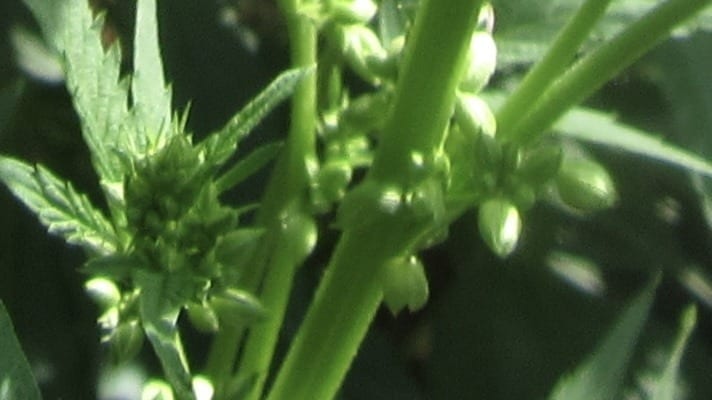
Part 3: Environmental Stress and Cannabis Hermaphroditism
Cannabis plants thrive in a stable, controlled environment where temperature, humidity, and other climatic factors are kept within specific ranges. Any significant deviation from these optimal conditions can stress the plant and increase the risk of hermaphroditism—the development of both male and female reproductive organs. When a cannabis plant experiences stress, it may activate a survival mechanism by producing male flowers alongside female ones in an attempt to self-pollinate and ensure the continuation of its genetic line. This section explores how environmental stress, particularly fluctuations in temperature and humidity, can trigger hermaphroditism.
The Role of Environmental Stability
A healthy cannabis plant depends on consistent, well-maintained environmental conditions to progress through its growth stages smoothly. Disruptions in temperature, humidity, and other factors during critical phases—especially flowering—can stress the plant, leading to hormonal imbalances. Stress-induced hermaphroditism usually occurs because the plant senses environmental conditions are unsuitable for successful reproduction and tries to produce pollen to self-pollinate.
Temperature Stress
Temperature is one of the most influential environmental factors in cannabis cultivation. Cannabis plants prefer a moderate temperature range, typically between 68°F and 77°F (20°C to 25°C) during their flowering stage. However, significant deviations from this range—particularly in the form of excessively high temperatures—can lead to stress.
- High Temperatures:
- When temperatures rise above 85°F (30°C), cannabis plants struggle to maintain proper metabolic processes, including photosynthesis and nutrient uptake. Prolonged exposure to such heat stress can cause physical damage to the plant and disrupt its hormonal balance, leading to delayed or abnormal flowering. If the plant perceives that it cannot reproduce under such stressful conditions, it may develop male flowers in an effort to self-pollinate, leading to hermaphroditism.
- High temperatures also cause water loss through transpiration, putting further stress on the plant. In response to heat, the plant may produce fewer female flowers or develop pollen sacs, resulting in a compromised crop.
- Cold Stress:
- While high temperatures are a common cause of hermaphroditism, low temperatures can also be detrimental. When temperatures drop below 60°F (15°C), cannabis plants slow their metabolic processes, causing stress. Prolonged exposure to cold can stifle flower production and induce the development of male flowers as the plant reacts to stress.
Humidity Stress
In addition to temperature, humidity plays a crucial role in maintaining a healthy cannabis plant. Cannabis plants thrive in specific humidity ranges, and fluctuations—particularly low humidity—can cause stress and increase the risk of hermaphroditism.
- Low Humidity:
- Cannabis plants prefer moderate humidity levels, generally between 40% and 60% during the flowering stage. Low humidity levels—especially below 30%—cause the plant to lose water rapidly, leading to dehydration. In response to the drought-like conditions, the plant may enter survival mode, developing male flowers to ensure reproduction. The plant’s hormonal system becomes disrupted, and the shift in hormone balance leads to the emergence of male reproductive organs.
- High Humidity:
- While low humidity is a common source of stress, high humidity during the flowering phase can also create issues. Excessive humidity can promote mold and mildew growth, stressing the plant and potentially leading to hermaphroditism. Although high humidity does not directly cause male flower development, it weakens the plant and makes it more susceptible to other stress factors that contribute to hermaphroditism.
Dramatic Climate Changes
Dramatic changes in climate—whether in outdoor or indoor growing environments—can also be a key factor in causing cannabis hermaphroditism. When growing outdoors, plants may be exposed to unpredictable weather patterns such as heatwaves, cold snaps, or heavy rain, all of which can create stress and result in hermaphroditic traits. Indoor grows can experience similar issues if growers do not regulate climate control systems carefully, leading to abrupt changes in temperature or humidity that trigger stress.
Other Environmental Stress Factors
Beyond temperature and humidity, other environmental factors can contribute to stress in cannabis plants, increasing the risk of hermaphroditism:
- Poor air circulation: Inadequate airflow can trap heat and humidity around the plant, causing localized stress.
- Pest and disease pressure: Pest infestations or fungal diseases can severely stress the plant, weakening its defenses and increasing the likelihood of hermaphroditic traits developing.
- Over or under-watering: Both extremes can put a plant under stress, affecting its ability to absorb nutrients properly and disrupting its reproductive processes.
Preventing Hermaphroditism from Environmental Stress
To prevent hermaphroditism caused by environmental stress, it’s essential to maintain a stable growing environment:
- Monitor temperature and humidity regularly and ensure they remain within the recommended ranges.
- Avoid drastic changes in climate, whether indoors or outdoors, and use climate control systems to provide a stable environment.
- Ensure proper ventilation to regulate airflow and prevent the buildup of heat or humidity pockets around the plant.
- Regularly inspect plants for pests and diseases and address any issues promptly.
By carefully managing environmental conditions, growers can reduce the stress on their plants and minimize the risk of cannabis hermaphroditism, ensuring a healthier, higher-quality harvest.
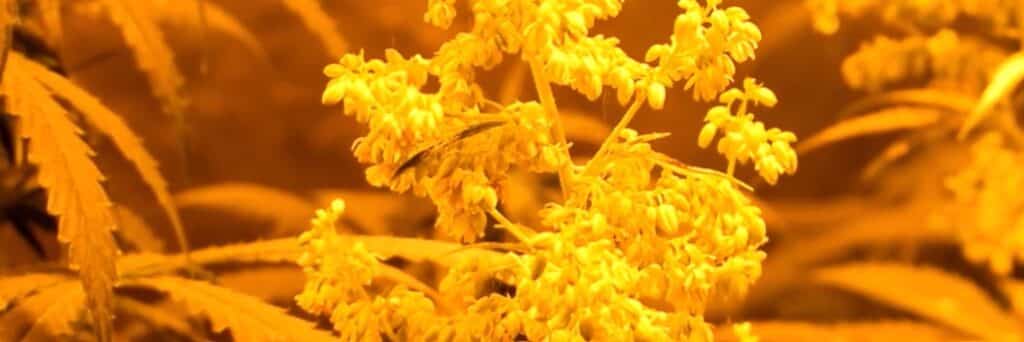
Part 4: Physical Damage and Cannabis Hermaphroditism
Physical damage is another significant cause of hermaphroditism in cannabis plants. When a plant experiences trauma—whether from broken branches, over-pruning, pest infestations, or any other form of physical stress—it can trigger a survival response in which the plant develops both male and female reproductive organs. This occurs because the plant perceives its chances of completing its reproductive cycle are threatened. In an effort to preserve its genetic line, it may attempt to self-pollinate by producing male flowers (pollen sacs) alongside the female buds. This phenomenon can compromise the quality of a cannabis crop, as pollinated buds tend to produce seeds, reducing their potency and overall value.
Causes of Physical Damage Leading to Hermaphroditism
- Broken Branches:
- Cannabis plants are naturally resilient, but significant physical damage, such as broken branches, can stress the plant. Branches can break due to accidents during training techniques like topping or super-cropping, improper handling, or even from the weight of the buds. When this kind of damage occurs, the plant is forced to redirect energy to repair the injury, often at the expense of reproductive stability.
- If the plant perceives that its survival is at risk due to structural damage, it may develop male flowers to produce pollen, allowing it to self-pollinate. This reaction is a defense mechanism, as the plant attempts to secure its reproductive future before it fully matures and produces viable seeds.
- Over-Pruning:
- Pruning is a common practice in cannabis cultivation, where growers remove unnecessary leaves and small branches to improve airflow, light penetration, and overall plant structure. However, over-pruning—or pruning too aggressively—can lead to stress severe enough to induce hermaphroditism. Removing too many leaves or cutting back large portions of the plant at once can shock the plant’s system, causing it to perceive a threat to its reproductive success.
- The plant may respond to this stress by producing male flowers as a survival strategy. Instead of focusing on growing larger, healthier female flowers, the plant shifts its hormonal balance toward developing pollen sacs to ensure self-pollination.
- Pest Infestations:
- Pest infestations, such as those caused by spider mites, aphids, or thrips, can physically damage the plant by feeding on its leaves, stems, and buds. This not only weakens the plant but also induces significant stress. Pest attacks can cause leaf loss, stunted growth, and even create wounds that expose the plant to secondary infections. Under these conditions, the plant may enter survival mode, developing hermaphroditic traits in an attempt to self-pollinate.
- Pest infestations also divert the plant’s energy from flower development to recovery, compounding the stress and increasing the likelihood of hermaphroditism. If a plant senses that it may not have enough time to complete its flowering cycle due to pest-induced damage, it may start producing male reproductive organs to ensure seed production.
- Environmental or Mechanical Trauma:
- In addition to broken branches or over-pruning, other forms of mechanical damage can stress cannabis plants. For example, accidental damage during handling, such as bumping into the plant, knocking it over, or mishandling it during training or transplanting, can create stress that triggers hermaphroditism. Even outdoor plants subjected to heavy winds, storms, or falling debris can sustain physical damage that leads to stress-induced male flower development.
How Physical Damage Leads to Hermaphroditism
When a cannabis plant experiences physical damage, it can disrupt the normal hormonal processes responsible for controlling flower development. Specifically, ethylene, the hormone that promotes female flower growth, may decrease, while gibberellins, which encourage male flower development, may increase in response to stress. This hormonal imbalance can lead the plant to develop male reproductive organs alongside female flowers, resulting in hermaphroditism.
The plant’s primary goal is reproduction, and if it senses that it cannot fully mature due to physical trauma, it may take drastic measures by producing pollen sacs. This process allows the plant to self-pollinate, ensuring it produces seeds before it dies, even though this leads to a decline in bud quality for growers.
Preventing Hermaphroditism from Physical Damage
To minimize the risk of hermaphroditism caused by physical damage, growers should:
- Handle plants with care to avoid accidental damage, especially during training techniques like topping, super-cropping, or low-stress training (LST).
- Prune conservatively and avoid over-pruning. Focus on removing only what’s necessary to improve airflow and light penetration.
- Monitor plants regularly for signs of pests and use organic or chemical pest control methods to prevent infestations from causing significant damage.
- Provide support to heavy branches using stakes or trellis nets to prevent them from breaking under the weight of the buds.
By taking these preventative measures, growers can reduce the stress their plants experience and avoid the risk of hermaphroditism, ensuring healthier, higher-quality crops with seedless, potent buds.
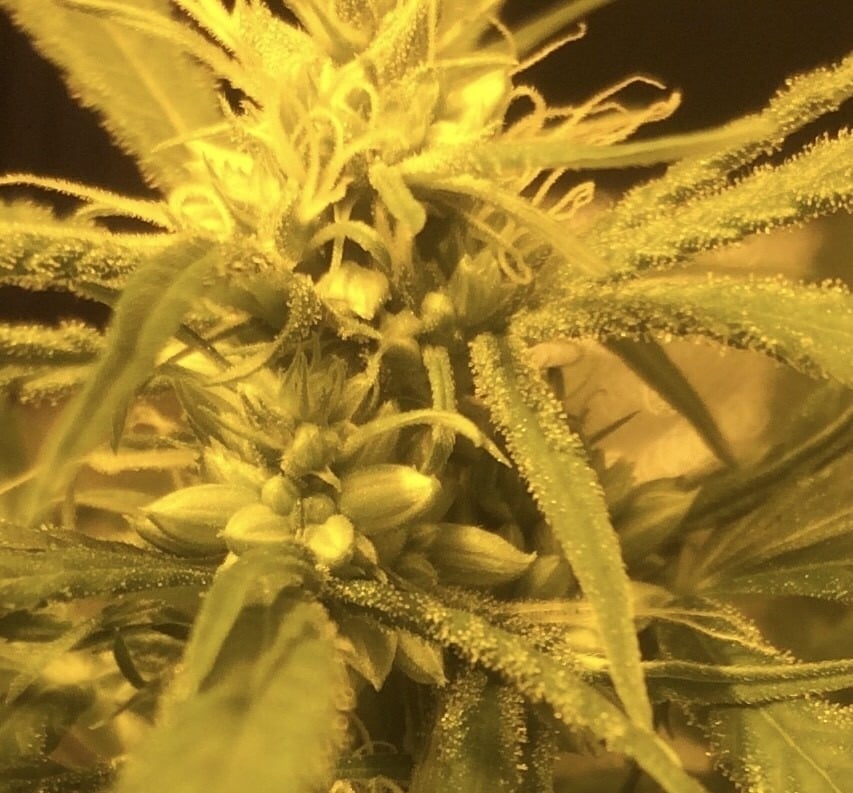
Part 5: Nutrient Stress can be the cause
Nutrient stress is another common factor that can lead to hermaphroditism in cannabis plants. Cannabis, like all plants, requires a balanced supply of essential nutrients to thrive, and any significant deviation from this balance can cause stress. Nutrient imbalances, whether due to deficiencies, toxicities, or improper pH levels, can disrupt the plant’s internal processes and trigger hermaphroditic tendencies. In particular, excess nitrogen during the flowering stage is a well-known cause of hermaphroditism. This section explores how improper nutrition can stress cannabis plants and increase the risk of male flower development alongside female buds.
The Importance of Nutrient Balance
Cannabis plants require a range of macronutrients—nitrogen (N), phosphorus (P), and potassium (K)—along with various micronutrients like calcium, magnesium, and iron. Each of these nutrients plays a specific role in the plant’s growth, from promoting vegetative growth to supporting flower development. An imbalance in these nutrients, either too much or too little, can create stress, especially during critical growth phases such as flowering.
Excessive Nitrogen in Flowering Stage
While nitrogen is essential for plant growth, especially during the vegetative stage, an excess of nitrogen during the flowering phase can lead to significant problems. Nitrogen promotes leaf and stem growth, but during the flowering stage, the plant’s energy should be focused on developing buds rather than foliage. Overfeeding with nitrogen can stress the plant by causing it to grow excessively leafy and diverting resources away from flower production.
When cannabis plants experience excess nitrogen during the flowering phase, they may react by developing male flowers in an attempt to self-pollinate and ensure reproduction. This is because the plant perceives that its normal reproductive processes are being disrupted due to nutrient imbalances, and it seeks to compensate by producing pollen to secure the next generation.
Signs of nitrogen toxicity include:
- Dark green leaves that are overly lush and thick.
- Leaf curling or clawing, where the tips of the leaves bend downward.
- Slowed bud development, as the plant is focused on growing leaves rather than flowers.
If nitrogen toxicity is not corrected quickly, the plant may develop hermaphroditic traits, leading to pollen sacs forming alongside female flowers.
Deficiencies and Toxicities of Other Nutrients
Beyond nitrogen, other nutrient imbalances can also cause stress severe enough to trigger hermaphroditism. For example:
- Phosphorus Deficiency:
- Phosphorus is essential for energy transfer within the plant and plays a critical role in flowering. A deficiency in phosphorus can lead to slow flower development and weakened plants. When a plant cannot adequately produce flowers due to a lack of phosphorus, it may develop male reproductive organs as a survival mechanism.
- Potassium Deficiency:
- Potassium helps regulate water and nutrient movement within the plant and is crucial for bud development. A deficiency can lead to weak, underdeveloped flowers, causing the plant to enter stress mode. In response, the plant may develop pollen sacs as it attempts to self-pollinate and ensure reproductive success.
- Micronutrient Deficiencies:
- While macronutrients like nitrogen, phosphorus, and potassium are needed in large quantities, micronutrients such as calcium, magnesium, and iron are equally important in smaller amounts. Deficiencies in these nutrients can cause stunted growth, yellowing leaves, and weakened flowering. Prolonged micronutrient deficiencies stress the plant, increasing the likelihood of hermaphroditism as the plant seeks to preserve its genetic line.
Poor-Quality Soil and Incorrect pH Levels
Soil quality and pH levels are also crucial factors in preventing nutrient stress. If the soil is poor in nutrients or the pH is outside the optimal range, the plant may struggle to absorb essential nutrients, even if they are present in the growing medium. Cannabis plants prefer a pH range of:
- 6.0 to 7.0 in soil.
- 5.5 to 6.5 in hydroponic systems.
When the pH is too high or too low, the plant can experience nutrient lockout, a condition where nutrients are present in the soil but unavailable to the plant due to improper pH levels. This can lead to nutrient deficiencies and stress the plant, potentially resulting in the development of male flowers.
Preventing Nutrient Stress and Hermaphroditism
To prevent nutrient stress and reduce the risk of hermaphroditism, growers should focus on the following:
- Provide balanced nutrition: Use a nutrient schedule tailored to the specific growth phase of the plant. During flowering, reduce nitrogen levels and increase phosphorus and potassium to support bud development.
- Monitor for signs of nutrient imbalances: Watch for symptoms like dark green leaves (nitrogen toxicity), yellowing leaves (nutrient deficiency), or other stress indicators. Early intervention can prevent further damage.
- Maintain proper pH levels: Regularly test and adjust the pH of the soil or hydroponic solution to ensure the plant can absorb the nutrients it needs.
- Use high-quality soil: Ensure the growing medium contains adequate organic matter and nutrients to support healthy growth.
By managing nutrient levels carefully and avoiding excess or deficiency, growers can reduce the likelihood of nutrient stress leading to hermaphroditism, ensuring a healthy, high-quality harvest with potent, seedless buds.
Conclusion:
Outside of growers who breed seeds, of course, not 1 cannabis grower wants to discover seeds in his or her plants. Since growers still often feel that it can never be down to their skills, but the reason must always be bad seeds or bad cuttings, we wrote this blog. Because without knowing the real reason, you won’t be able to avoid the problem the next time you grow. Now that you’ve been able to read the most common causes of hermaphroditism here, we hope to help you avoid future hermaphroditism problems. In any case, we have done everything we can to ensure premuim quality seeds with a very high stability that really won’t suffer from hermaphroditism if handled properly.
Creating stabilized cannabis strains
The BIG 5: The various cannabis seeds
Understanding Cannabis Seeds: Quality Indicators and Misconceptions
How to make cannabis seeds video
Dutchfem Grow reports on X (twitter)








You must be logged in to post a comment.