


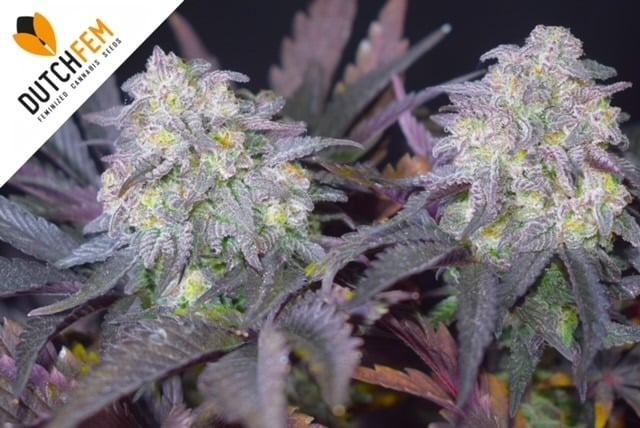
Crafting Your Own Cannabis Strain: From Seed Selection to Genetic Stabilization
Crafting Your Own Cannabis Strain
In the ever-expanding world of cannabis cultivation, enthusiasts are increasingly drawn to the idea of creating their own unique cannabis strains. We at Dutchfem Seeds love creating new and exclusive strains. Crafting a cannabis strain is not only a creative endeavor but also a journey of genetic exploration and horticultural mastery. From selecting the right seeds to stabilizing the genetics, every step in the process requires careful consideration and dedication. In this guide, we will walk you through the steps involved in making your own cannabis strain, starting with seed selection and culminating in genetic stabilization.

- Step 1: Seed Selection
- Step 2: Crossbreeding
- Step 3: Phenotype Selection
- Step 4: Genetic Stabilization
- Step 5: Testing and Refinement
Crafting Your Own Cannabis Strain Step 1: Seed Selection
The foundation of crafting your own cannabis strain lies in the careful selection of seeds. This initial step sets the stage for the entire breeding project, shaping the genetic makeup and future characteristics of your unique creation. Here’s how to navigate the process:
1.1 Understanding Regular Seeds
Regular seeds are the cornerstone of breeding projects due to their natural genetic diversity. Unlike feminized or genetically modified seeds, regular seeds have not undergone alterations, providing an expansive genetic pool for exploration. This diversity offers breeders ample opportunities to uncover novel combinations and traits.
1.2 Defining Your Objectives
Before diving into seed selection, it’s crucial to define your breeding objectives. Consider the specific traits you aim to incorporate into your new strain. Are you seeking potent THC levels, distinctive flavors, resilient growth patterns, or perhaps a unique combination of these attributes? Clarifying your goals will guide your seed selection process and subsequent breeding efforts.
1.3 Researching Genetic Profiles
With your breeding objectives in mind, embark on a comprehensive research journey to explore different cannabis strains and their genetic profiles. Investigate the lineage, cannabinoid content, terpene profile, and growth characteristics of potential parent plants. Look for strains that align closely with your desired traits, whether it’s a renowned high-THC variety, a flavor-rich cultivar, or a resilient and adaptable phenotype.
1.4 Selecting Potential Parent Plants
Based on your research, narrow down your options and select potential parent plants that possess the desired traits. Look for cultivars with strong genetic foundations and documented stability to increase the likelihood of achieving consistent results in your breeding project. Pay attention to factors such as flowering time, yield potential, resistance to pests and diseases, and suitability for your growing environment.
1.5 Obtaining Quality Seeds
Once you’ve identified potential parent plants, ensure that you obtain high-quality seeds from reputable sources. Opt for trusted seed banks or breeders known for their commitment to genetic integrity and seed viability. Prioritize seeds that have been properly stored and handled to preserve their viability and genetic integrity, minimizing the risk of germination failure or genetic abnormalities.
1.6 Documenting Seed Selection
Maintain detailed records of your seed selection process, documenting the characteristics and genetic background of each chosen cultivar. Keep track of essential information such as seed origin, breeder, genetic lineage, and anticipated traits. These records will serve as invaluable reference materials throughout your breeding project, facilitating informed decision-making and genetic tracking.
Step one Conclusion:
Seed selection marks the inception of your cannabis breeding journey, laying the groundwork for the development of a distinctive and exceptional strain. By prioritizing regular seeds, defining your breeding objectives, researching genetic profiles, selecting potential parent plants, obtaining quality seeds, and meticulously documenting your selections, you set the stage for a successful and fulfilling breeding endeavor. Stay tuned for the next steps in the journey towards crafting your own cannabis masterpiece.

Crafting Your Own Cannabis Strain Step 2: Crossbreeding
With your selected parent plants in hand, you’re ready to embark on the exciting journey of crossbreeding. This pivotal step in creating your own cannabis strain involves the deliberate pairing of male and female plants to introduce new genetic combinations and unlock a spectrum of possibilities. Here’s how to navigate the crossbreeding process effectively:
2.1 Pairing Parent Plants
Carefully select compatible male and female parent plants based on their genetic traits, vigor, and overall suitability for your breeding goals. Ensure that both parents exhibit desirable characteristics that you aim to incorporate into your new strain, whether it’s potency, flavor, aroma, or growth attributes. Aim for a balanced genetic contribution from each parent to achieve the desired outcome in the offspring.
2.2 Pollination Process
Initiate the crossbreeding process by pollinating the female plants with the pollen from the selected male plants. Employ meticulous techniques to prevent unintended cross-contamination and maintain genetic purity. Depending on your preferences and breeding objectives, you can opt for natural pollination methods or employ controlled pollination techniques such as hand-pollination or selective breeding chambers.
2.3 Documenting Crossbreeding
As you proceed with the crossbreeding process, maintain detailed records of each breeding combination, including the parent plants used and the date of pollination. This documentation serves as a crucial reference point for tracking genetic lineages, monitoring breeding outcomes, and evaluating the success of different breeding strategies. Capture essential details such as pollen source, pollination method, and any observed phenotypic traits in the offspring.
2.4 Exploring Genetic Diversity
Embrace experimentation and diversity in your crossbreeding endeavors to explore the full spectrum of genetic possibilities within the cannabis gene pool. Experiment with different breeding combinations, genetic crosses, and hybridization techniques to uncover novel traits and genetic variations. Emphasize diversity in your breeding efforts to maximize the potential for discovering unique and exceptional phenotypes.
2.5 Patience and Persistence
Crossbreeding cannabis strains is a time-intensive process that requires patience, dedication, and a long-term perspective. Be prepared for the journey ahead, as creating a new strain can take several generations of breeding and selection to achieve the desired results. Embrace the iterative nature of breeding, and remain committed to refining and improving your breeding techniques over time.
2.6 Evaluation and Selection
Continuously evaluate the offspring resulting from your crossbreeding efforts, paying close attention to their phenotypic traits, vigor, and overall performance. Select individuals that exhibit the most promising characteristics aligned with your breeding objectives for further propagation and breeding. Exercise discernment in your selection process, prioritizing traits that contribute to the desired phenotype and genetic stability.
Step 2 Conclusion
Crossbreeding represents a pivotal stage in the creation of your own cannabis strain, offering boundless opportunities for genetic exploration and innovation. By thoughtfully pairing parent plants, meticulously documenting the crossbreeding process, embracing genetic diversity, exercising patience and persistence, and conducting rigorous evaluation and selection, you lay the groundwork for the development of a truly remarkable cannabis cultivar. Stay tuned for the next steps in your journey towards crafting a cannabis masterpiece.
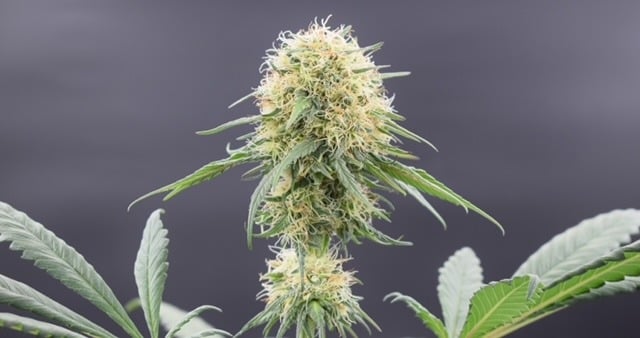
Crafting Your Own Cannabis Strain Step 3: Phenotype Selection
With the initial crossbreeding complete, it’s time to embark on the critical phase of phenotype selection. This pivotal step in breeding your own cannabis strain involves meticulously evaluating the offspring to identify individuals that exhibit the desired traits and characteristics. Here’s how to navigate the process effectively:
3.1 Understanding Phenotypes
Phenotypes encompass the observable traits and characteristics displayed by a plant, including its morphology, aroma, flavor, and growth patterns. These traits are influenced by both genetic factors and environmental conditions, providing valuable insights into the genetic potential of each individual plant. Phenotype selection involves identifying and prioritizing plants that demonstrate the most desirable traits aligned with your breeding objectives.
3.2 Evaluation Criteria
Establish clear criteria for evaluating phenotypes based on your breeding goals and desired traits. Consider factors such as cannabinoid content, terpene profile, flowering time, yield potential, disease resistance, and overall vigor. Prioritize traits that contribute to the unique identity and quality of your desired strain, whether it’s exceptional potency, distinct aroma, or robust growth habits.
3.3 Phenotypic Assessment
Systematically assess each plant in your breeding population, paying close attention to its physical appearance, aroma, and growth characteristics. Utilize a structured evaluation process to objectively compare and contrast different phenotypes, recording your observations and impressions for each individual plant. Look for standout traits and unique features that set certain plants apart from the rest.
3.4 Selective Breeding
As you evaluate the phenotypes, identify individuals that embody the traits you seek in your new strain. Focus on selecting plants with the strongest expression of desirable characteristics, while discarding or culling individuals that fail to meet your criteria. Exercise discernment and patience in your selection process, prioritizing quality over quantity to ensure the success of your breeding project.
3.5 Genetic Diversity
While selecting for desirable phenotypes, strive to maintain genetic diversity within your breeding population to preserve the potential for future breeding opportunities. Avoid narrowing your focus too narrowly on a single trait or characteristic, as this may limit the genetic variability and resilience of your strain over time. Embrace diversity and complexity in your breeding efforts to cultivate a robust and versatile genetic foundation.
3.6 Iterative Selection Process
Phenotype selection is an iterative process that may require multiple rounds of evaluation and refinement to achieve the desired outcomes. Continuously reassess and prioritize phenotypes based on their performance and potential, adapting your selection criteria as needed to reflect evolving breeding objectives. Remain open to new discoveries and unexpected variations, as they may lead to breakthroughs and innovations in your breeding project.
Step 3 Conclusion
Phenotype selection represents a crucial stage in the development of your own cannabis strain, allowing you to identify and prioritize individuals that embody the desired traits and characteristics. By understanding phenotypes, establishing clear evaluation criteria, conducting systematic assessments, practicing selective breeding, preserving genetic diversity, and embracing an iterative selection process, you lay the groundwork for the cultivation of a truly exceptional and distinctive cannabis cultivar. Stay tuned for the next steps in your journey towards creating your own cannabis strain.

Crafting Your Own Cannabis Strain Step 4: Genetic Stabilization
Genetic stabilization marks a pivotal phase in the journey of crafting your own cannabis strain, where the focus shifts from exploration to refinement. This critical step involves the deliberate effort to reinforce and consolidate the desired traits within the breeding population, ultimately leading to the creation of a consistent and uniform strain. Here’s how to navigate the process effectively:
4.1 Understanding Genetic Stabilization
Genetic stabilization is the process of fortifying and consolidating the desired traits within the breeding population through repeated backcrossing and selective breeding. This iterative process aims to minimize genetic variability and establish a stable genetic foundation that reliably produces offspring with consistent phenotypic expression. Genetic stability is essential for ensuring uniformity and predictability in the characteristics of your new strain.
4.2 Backcrossing Strategy
Initiate the genetic stabilization process by selectively backcrossing the chosen phenotypes with the original parent plants or closely related individuals. Backcrossing involves crossing a selected phenotype with one of its parent plants to reinforce the desired genetic traits while preserving the genetic integrity of the strain. Repeat the backcrossing process over multiple generations to gradually homogenize the genetic makeup of the breeding population.
4.3 Selective Breeding Continues
Throughout the genetic stabilization process, continue to prioritize selective breeding and phenotypic selection to maintain the desired traits and characteristics. Evaluate each generation of offspring and selectively breed individuals that exhibit the strongest expression of the desired traits, while culling or discarding those that deviate from the breeding objectives. Exercise discernment and consistency in your selection process to ensure the integrity and uniformity of the strain.
4.4 Eliminating Genetic Variability
As you progress through successive generations of backcrossing and selective breeding, focus on eliminating genetic variability and enhancing the genetic purity of the breeding population. Target specific traits and characteristics for reinforcement, while actively suppressing undesirable traits through rigorous selection and breeding practices. Strive to create a breeding population that consistently produces offspring with uniform phenotypic expression and predictable performance.
4.5 Monitoring and Adjusting
Monitor the progress of the genetic stabilization process closely, evaluating the performance and characteristics of the breeding population at each stage. Adjust your breeding strategies and selection criteria as needed to address any emerging challenges or deviations from the desired traits. Remain adaptable and responsive to the evolving needs of your breeding project, incorporating feedback from phenotypic evaluations and performance trials to inform future breeding decisions.
4.6 Achieving Stability
Continue the genetic stabilization process until the desired level of stability and uniformity is achieved within the breeding population. Strive for consistency in phenotypic expression, growth patterns, cannabinoid content, and other key traits that define the unique identity of your strain. Once stability is attained, document and preserve the genetic lineage of your strain to ensure its continued integrity and authenticity.
Step 4 Conclusion
Genetic stabilization is a fundamental aspect of breeding your own cannabis strain, facilitating the creation of a consistent and uniform cultivar with predictable traits and characteristics. By employing a strategic backcrossing approach, maintaining selective breeding practices, eliminating genetic variability, monitoring progress closely, and striving for stability, you lay the groundwork for the development of a truly exceptional and reliable cannabis strain. Stay tuned for the next steps in your journey towards crafting a cannabis masterpiece.
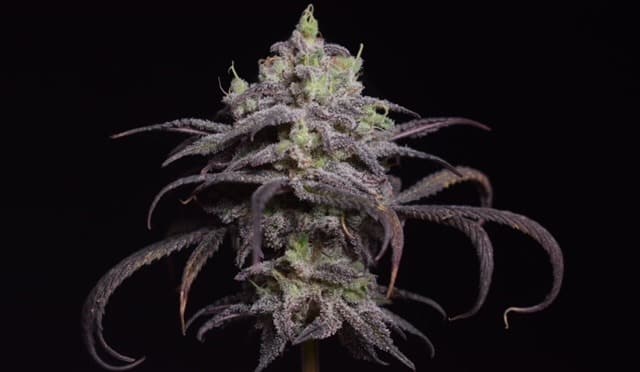
Crafting Your Own Cannabis Strain Step 5: Testing and Refinement
Congratulations on stabilizing the genetics of your new cannabis strain! As you transition from the breeding phase to cultivation, testing, and refinement, it’s essential to conduct thorough assessments to ensure the strain’s viability and quality. This phase involves evaluating the strain’s performance under various growing conditions, gathering feedback from growers and consumers, and refining its characteristics to meet your desired standards. Here’s how to proceed:
5.1 Cultivation Trials
Initiate cultivation trials to assess the performance of your newly stabilized strain under different growing conditions and environments. Experiment with various cultivation methods, including indoor, outdoor, and greenhouse settings, to evaluate the strain’s adaptability, yield potential, and overall growth patterns. Monitor key metrics such as plant health, vigor, flowering time, and cannabinoid production to identify any variations or inconsistencies.
5.2 Performance Evaluation
Systematically evaluate the performance of your strain throughout the cultivation trials, paying close attention to its response to environmental factors, nutrient regimes, and pest management practices. Document observations and data to track growth trends, flowering dynamics, and harvest outcomes. Identify any areas of improvement or optimization to enhance the strain’s resilience, productivity, and quality.
5.3 Feedback Collection
Seek feedback from a diverse group of growers, cultivators, and consumers to gather insights into the strengths and weaknesses of your strain. Encourage open communication and constructive criticism to gain valuable perspectives on its aroma, flavor, potency, and overall user experience. Solicit feedback through surveys, tastings, and cultivation workshops to gather comprehensive input from the cannabis community.
5.4 Iterative Refinement
Utilize the feedback collected during testing to iteratively refine and improve your strain over time. Incorporate suggestions for enhancing aroma profiles, flavor profiles, cannabinoid ratios, and other desirable traits based on user preferences and market trends. Implement targeted breeding strategies, selective breeding practices, and genetic modifications to address specific areas of improvement and elevate the overall quality of your strain.
5.5 Quality Assurance
Implement rigorous quality assurance measures to maintain consistency and integrity in your strain’s characteristics and performance. Establish standardized protocols for seed production, cultivation, and post-harvest processing to ensure uniformity and reliability across batches. Conduct regular quality control assessments, including laboratory testing for cannabinoid potency, terpene profiles, and microbial contaminants, to verify compliance with regulatory standards and consumer expectations.
5.6 Continuous Improvement
Embrace a culture of continuous improvement and innovation to stay at the forefront of cannabis cultivation and breeding. Stay informed about emerging trends, advancements in genetics, and best practices in cultivation techniques to adapt and evolve your strain accordingly. Foster collaboration with other breeders, researchers, and industry experts to exchange knowledge, share resources, and push the boundaries of cannabis genetics and innovation.
Step 5 Conclusion
Testing and refinement represent the final stages in the journey of crafting your own cannabis strain, where meticulous evaluation and iterative improvement pave the way for success. By conducting cultivation trials, gathering feedback, iteratively refining your strain, implementing quality assurance measures, and embracing continuous improvement, you position your strain for recognition and success in the competitive cannabis market. Stay committed to excellence, innovation, and sustainability as you continue to refine and perfect your cannabis masterpiece.
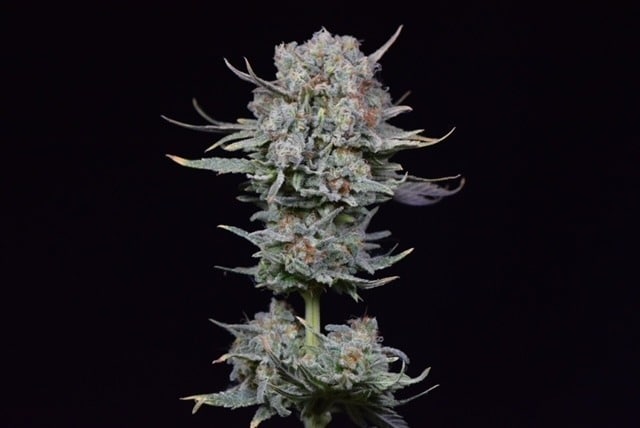
Crafting Your Own Cannabis Strain: Conclusion
Creating your own cannabis strain is a rewarding and challenging endeavor that requires patience, dedication, and a deep understanding of plant genetics. By starting with careful seed selection, crossbreeding, and phenotype selection, and then moving on to genetic stabilization and testing, you can craft a unique and exceptional strain that reflects your passion for cannabis cultivation. So roll up your sleeves, get your hands dirty, and embark on the journey of a lifetime to create your very own cannabis masterpiece. And make sure to send us your final product because we are always on the lookout for the next best thing!
Regular Cannabis Seeds for Motherplant Cultivation
Differences Between Feminized and Regular Cannabis Seeds
Dutch feminized cannabis seeds are considered the best in the world








You must be logged in to post a comment.