


Maximizing Cannabis Growth with LED Lights: A Comprehensive Guide
Cultivating cannabis with LED’s
The cultivation of cannabis has evolved significantly over the years, and one of the most significant advancements has been the introduction of LED grow lights. These energy-efficient and versatile lighting solutions have revolutionized indoor cannabis cultivation, providing growers with precise control over light spectrum and intensity. In this guide, we’ll delve into the intricacies of growing cannabis with LED lights, focusing on optimal distances, light strengths during different growth phases, and other essential factors to maximize your yield and potency.
- 1.Introduction to LED Grow Lights
- 2.Understanding Cannabis Growth Phases
- 3.Selecting the Right LED Lights
- 4.Optimizing Light Distance and Intensity
- 5.Maximizing Growth During the Vegetative Phase
- 6.Enhancing Flowering with LED Lights
- 7.Maintaining an Ideal Environment
- 8.Common Mistakes to Avoid
- 9.Conclusion: Harnessing the Power of LED for Cannabis Growth
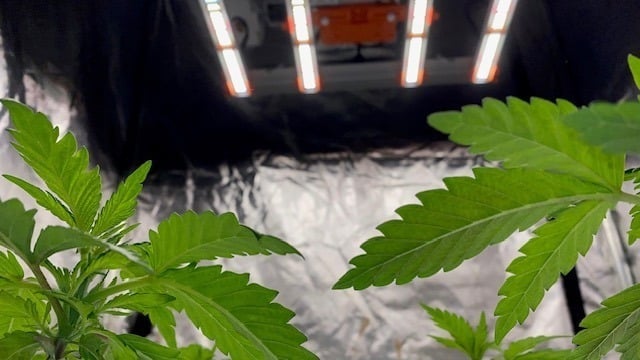
1. Cultivating cannabis with LED’s : Introduction to LED Grow Lights
In recent years, LED (Light Emitting Diode) grow lights have emerged as the preferred lighting solution for cannabis cultivators, revolutionizing indoor cultivation practices. Unlike traditional lighting sources such as High-Pressure Sodium (HPS) or Metal Halide (MH) lights, LEDs offer a myriad of advantages that cater specifically to the needs of cannabis plants at various stages of growth.
Energy Efficiency: One of the most significant advantages of LED grow lights is their exceptional energy efficiency. Unlike conventional lighting sources that generate a significant amount of heat as a byproduct, LEDs convert a higher percentage of energy into light, minimizing energy wastage and reducing operating costs. This efficiency not only benefits the environment but also contributes to substantial savings for growers in the long run.
Heat Management: Heat management is a critical factor in indoor cannabis cultivation, as excessive heat can stress plants, inhibit growth, and even lead to crop loss. LED grow lights produce significantly less heat compared to HPS or MH lights, allowing growers to maintain optimal temperatures in their grow spaces without the need for excessive cooling systems. This not only creates a more comfortable environment for plants but also reduces the risk of heat-related issues such as heat stress and dehydration.
Customizable Spectrum: One of the key advantages of LED grow lights is their ability to provide a customizable spectrum of light tailored to the specific needs of cannabis plants at different stages of growth. LEDs can emit light across the entire spectrum, from ultraviolet (UV) to infrared (IR), allowing growers to optimize light wavelengths to promote various physiological processes such as photosynthesis, flowering, and resin production. By adjusting the light spectrum, growers can maximize plant health, yield, and potency, ultimately enhancing the overall quality of their harvest.
Longevity and Durability: LED grow lights are renowned for their exceptional longevity and durability, making them a cost-effective investment for cannabis cultivators. Unlike traditional lighting sources that have relatively short lifespans and require frequent replacement, LEDs can last for tens of thousands of hours of continuous use, providing consistent performance over multiple growing cycles. This extended lifespan not only reduces maintenance costs but also ensures reliable and consistent lighting for optimal plant growth and development.
In summary, LED grow lights have transformed the landscape of cannabis cultivation, offering unparalleled energy efficiency, heat management, customizable spectrum, and longevity compared to traditional lighting sources. By harnessing the power of LED technology, cultivators can maximize yields, potency, and overall quality while minimizing environmental impact and operating costs.
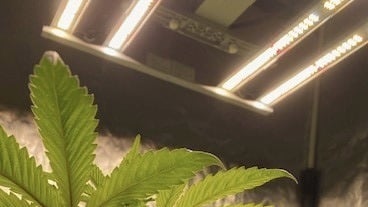
2. Cultivating cannabis with LED’s: Understanding Cannabis Growth Phases
Cannabis cultivation follows a distinct series of growth phases, each with its unique set of requirements and challenges. By understanding these growth phases, cultivators can tailor their cultivation practices, including lighting strategies, to optimize plant health, growth, and ultimately, yield.
Germination: The journey of every cannabis plant begins with germination, the process by which seeds sprout and develop into seedlings. During germination, seeds require warmth, moisture, and oxygen to trigger the growth of a new plant. While light is not essential for germination, providing a gentle source of illumination can help guide the seedling’s growth direction and prevent stretching.
Vegetative Phase: Following germination, cannabis enters the vegetative phase, characterized by rapid vegetative growth as the plant focuses on building structural strength and developing lush foliage. During this phase, cannabis plants require abundant light to fuel photosynthesis and promote robust growth. LED grow lights with a balanced spectrum rich in blue wavelengths are ideal for the vegetative phase, as blue light stimulates vegetative growth, enhances leaf development, and encourages compact, bushy plants.
Flowering Phase: The flowering phase marks the transition from vegetative growth to reproductive growth, initiated by changes in light cycle (typically switching from 18 hours of light to 12 hours of light per day). During this phase, cannabis plants shift their focus from foliage production to bud development, culminating in the formation of resinous flowers rich in cannabinoids and terpenes. LED grow lights with a spectrum optimized for flowering, including a balance of red and blue wavelengths supplemented with far-red light, are essential for promoting healthy bud development, maximizing resin production, and enhancing cannabinoid synthesis.
Each growth phase of cannabis requires specific lighting conditions to support optimal growth and development. By understanding the distinct requirements of germination, vegetative growth, and flowering, cultivators can utilize LED grow lights to tailor light spectra, intensity, and duration, ensuring healthy, vigorous plants and maximizing yield and potency.

3. Cultivating cannabis with LED’s : Selecting the Right LED Lights
Choosing the appropriate LED grow lights is a crucial decision for cannabis cultivators, as the quality and effectiveness of the lighting system directly impact plant growth, yield, and overall success. When selecting LED lights for cannabis cultivation, several key factors should be carefully considered to ensure optimal performance and results.

Spectrum: The spectrum of light emitted by LED grow lights plays a fundamental role in driving plant growth and development. For cannabis cultivation, it’s essential to choose LED lights that offer a full spectrum of wavelengths, including blue and red light. Blue light (400-500 nm) is crucial during the vegetative phase, as it stimulates vegetative growth, promotes leaf development, and enhances overall plant vigor. Red light (600-700 nm) is essential during the flowering phase, as it triggers bud formation, promotes flower development, and enhances resin production. Additionally, some LED grow lights may include wavelengths in the far-red range (700-800 nm), which can further enhance flowering and improve overall yield and potency. By selecting LED lights with a full spectrum of wavelengths, cultivators can ensure that their plants receive the ideal light conditions throughout all growth stages, maximizing growth and yield potential.

Wattage: The wattage of LED grow lights is another crucial factor to consider when selecting lighting for cannabis cultivation. It’s essential to choose LED lights with sufficient wattage to adequately cover the entire canopy area and provide uniform light distribution. Higher wattage LED lights typically have greater light output and coverage, allowing for more efficient light penetration and better canopy coverage. However, it’s essential to strike a balance between wattage and energy consumption, as excessively high wattage lights may lead to increased operating costs without necessarily providing proportional benefits in terms of plant growth and yield. By carefully assessing the size of the grow space and the light requirements of the cannabis plants, cultivators can select LED lights with the appropriate wattage to meet their specific needs while maximizing energy efficiency and cost-effectiveness.
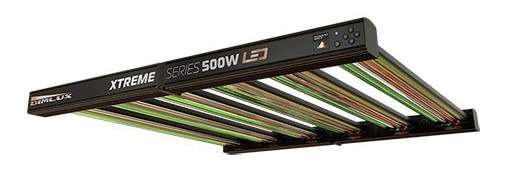
Brand Reputation: When investing in LED grow lights for cannabis cultivation, it’s essential to choose reputable brands known for their quality, reliability, and performance. Reputable brands often have a track record of producing high-quality LED lights that deliver consistent results and withstand the rigors of commercial cultivation. By investing in trusted brands, cultivators can have confidence in the reliability and longevity of their lighting systems, reducing the risk of premature failure, performance issues, or costly replacements. Additionally, reputable brands often provide warranties, customer support, and product documentation, further enhancing the overall experience and peace of mind for cultivators. While budget considerations are important, it’s essential to prioritize quality and reliability when selecting LED grow lights to ensure optimal performance and maximize the potential for successful cannabis cultivation.

In summary, selecting the right LED grow lights is a critical decision for cannabis cultivators, with significant implications for plant growth, yield, and overall success. By considering factors such as spectrum, wattage, and brand reputation, cultivators can choose LED lights that provide the ideal lighting conditions for their plants, supporting healthy growth, robust flowering, and maximum yield and potency. With careful consideration and investment in high-quality LED lighting systems, cultivators can optimize their cannabis cultivation operations and achieve consistent, high-quality harvests.
Read more about: What are the best LED lights for Cannabis cultivation

4. Cultivating cannabis with LED’s: Optimizing Light Distance and Intensity
The distance between LED grow lights and cannabis plants is a critical factor that profoundly influences plant growth, development, and overall yield. Properly optimizing light distance and intensity ensures that plants receive adequate illumination without experiencing stress or damage. Whether in the vegetative or flowering phase, understanding the ideal distance for LED lights is essential for maximizing the potential of your cannabis crop.
Vegetative Phase:
During the vegetative phase, cannabis plants undergo rapid growth, focusing on developing robust foliage and structural integrity. To support this vigorous vegetative growth, LED lights should be positioned relatively close to the canopy, providing ample light intensity without causing heat stress or light burn.
Optimal Light Distance:
LED lights should be positioned approximately 18-24 inches (45-60 CM) above the canopy during the vegetative phase. This proximity ensures that plants receive sufficient light for photosynthesis and growth while minimizing the risk of heat stress or light burn. By maintaining this optimal distance, cultivators can encourage compact, bushy growth and promote healthy foliage development.
Flowering Phase:
As cannabis plants transition into the flowering phase, their light requirements change to prioritize bud development and resin production. During this critical stage, it’s essential to adjust the distance between LED lights and the canopy to optimize light penetration and encourage robust flowering.
Optimal Light Distance:
During the flowering phase, LED lights should be positioned slightly farther from the canopy, allowing for better light penetration and coverage of budding sites. Ideally, maintain a distance of around 12-18 inches (30-45 CM) between the LED lights and the canopy to ensure that all flowering sites receive adequate illumination. By increasing the distance between the lights and the canopy, cultivators can promote uniform bud development, minimize the risk of light burn, and maximize yield potential.
Key Considerations:
Light Intensity: In addition to adjusting the distance between LED lights and cannabis plants, it’s crucial to monitor light intensity to ensure optimal growth conditions. LED lights typically come with adjustable intensity settings, allowing cultivators to fine-tune light levels according to plant requirements. During the vegetative phase, higher light intensity may be beneficial to promote vigorous growth, while slightly lower intensity during flowering can encourage resin production and enhance cannabinoid synthesis.
Canopy Coverage:
When positioning LED lights, it’s essential to consider canopy coverage to ensure that all parts of the plant receive adequate illumination. Properly spacing and arranging LED lights within the grow space can help achieve uniform light distribution, minimizing shadowing and promoting consistent growth throughout the canopy.
Temperature Management:
Close proximity between LED lights and the canopy can increase the temperature in the grow space. It’s essential to monitor and regulate temperature levels to prevent heat stress and maintain optimal growing conditions. Adequate airflow, ventilation, and temperature control mechanisms should be in place to mitigate any heat-related issues.
In summary, optimizing light distance and intensity is crucial for maximizing the growth and yield of cannabis plants cultivated under LED grow lights. By understanding the specific requirements of each growth phase and adjusting light placement accordingly, cultivators can create an optimal growing environment that promotes healthy, vigorous growth, robust flowering, and high-quality harvests. Through careful monitoring and adjustment of light distance and intensity, cultivators can unlock the full potential of their cannabis crop and achieve exceptional results harvest after harvest.

5. Cultivating cannabis with LED’s : Maximizing Growth During the Vegetative Phase
The vegetative phase is a crucial stage in the cannabis growth cycle, where plants focus on building structural strength, developing lush foliage, and establishing a robust root system. During this phase, providing optimal lighting conditions is essential to promote vigorous vegetative growth and set the stage for a successful flowering period. LED grow lights play a pivotal role in maximizing growth during the vegetative phase, offering customizable spectra that cater specifically to the needs of cannabis plants.
Abundant Blue Light Requirement:
Cannabis plants thrive under specific wavelengths of light during different growth stages. In the vegetative phase, plants require abundant blue light to support vegetative growth, enhance photosynthesis, and maintain healthy foliage. Blue light, with wavelengths ranging from 400 to 500 nanometers, stimulates the production of chlorophyll, the pigment responsible for capturing light energy and driving photosynthesis. Additionally, blue light promotes the development of strong stems, compact growth, and lush, vibrant foliage.
Ideal LED Spectrum for Vegetative Growth:
LED grow lights with a higher proportion of blue wavelengths are ideal for maximizing growth during the vegetative phase. These lights emit light in the blue spectrum, providing cannabis plants with the specific wavelengths they need to thrive during this critical stage of growth. By selecting LED lights with a balanced spectrum that includes a significant amount of blue light, cultivators can ensure that their plants receive the optimal light conditions necessary for robust vegetative growth.
Benefits of Blue Light for Vegetative Growth:
Stimulates Photosynthesis: Blue light plays a key role in driving photosynthesis, the process by which plants convert light energy into chemical energy to fuel growth and development. By providing ample blue light, LED grow lights enhance photosynthetic activity, increasing the rate of carbohydrate production and promoting overall plant growth.
Promotes Strong Stems and Foliage:
Blue light stimulates the production of auxins, hormones responsible for cell elongation and stem growth. By promoting the development of strong, sturdy stems, blue light helps cannabis plants support the weight of future buds and branches, reducing the risk of breakage and ensuring structural integrity. Additionally, blue light encourages the formation of dense, lush foliage, maximizing the plant’s capacity for photosynthesis and nutrient uptake.
Enhances Plant Vigor:
Cannabis plants grown under LED lights with a higher proportion of blue wavelengths exhibit increased vigor, resilience, and overall health. Blue light activates photoreceptors within plant cells, triggering various physiological responses that contribute to enhanced growth, metabolism, and stress tolerance. By providing optimal blue light conditions, cultivators can maximize the vegetative growth potential of their cannabis plants, setting the stage for a bountiful harvest.
In summary, maximizing growth during the vegetative phase requires providing cannabis plants with abundant blue light to support vigorous vegetative growth, strong stem development, and lush foliage. LED grow lights with a higher proportion of blue wavelengths offer an ideal lighting solution for this stage, providing plants with the specific light spectrum they need to thrive. By selecting LED lights that cater to the requirements of the vegetative phase, cultivators can promote healthy, robust growth and lay the foundation for a successful flowering period and ultimately, a high-quality harvest.
6. Cultivating cannabis with LED’s : Enhancing Flowering with LED Lights
The flowering phase is a critical stage in the cannabis growth cycle, marked by the development of resinous buds rich in cannabinoids and terpenes. During this phase, cannabis plants undergo significant physiological changes, transitioning from vegetative growth to reproductive growth. Providing optimal lighting conditions is essential to maximize bud development, resin production, and overall yield. LED grow lights offer precise control over light spectrum and intensity, allowing cultivators to tailor lighting strategies to enhance flowering and promote the synthesis of desirable cannabinoids and terpenes.
Adjusting Light Spectrum for Flowering:
As cannabis plants transition into the flowering phase, their light requirements change to prioritize bud development and resin production. While blue light is essential for vegetative growth, red light becomes increasingly important during flowering. Red light, with wavelengths ranging from 600 to 700 nanometers, stimulates the production of phytochrome, a photoreceptor that regulates flowering and other developmental processes in plants.
Balanced Ratio of Red and Blue Wavelengths:
LED grow lights with a balanced ratio of red and blue wavelengths are ideal for enhancing flowering in cannabis plants. By providing a spectrum that encompasses both red and blue light, cultivators can ensure that plants receive the necessary wavelengths to support robust bud development and resin production. Blue light promotes compact growth and foliage development, while red light stimulates flower formation and enhances cannabinoid synthesis, resulting in larger, denser buds with higher cannabinoid concentrations.
Supplementing with Far-Red Light:
In addition to red and blue wavelengths, far-red light (wavelengths ranging from 700 to 800 nanometers) can further enhance flowering and cannabinoid synthesis in cannabis plants. Far-red light has been shown to accelerate flowering initiation, shorten flowering time, and increase bud size and resin production. LED grow lights that incorporate far-red wavelengths provide an additional stimulus to promote flowering and maximize yield potential.
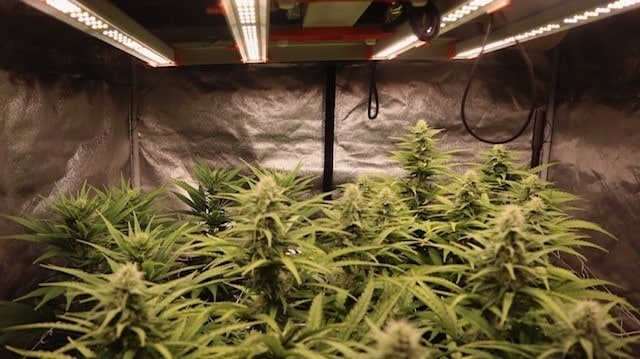
Benefits of Enhanced Flowering with LED Lights:
Promotes Bud Formation: LED lights with a balanced spectrum of red and blue wavelengths stimulate the development of dense, resinous buds during the flowering phase. By providing optimal light conditions, cultivators can encourage the formation of larger, more abundant buds, resulting in higher yields and improved quality.
Enhances Cannabinoid Synthesis: Red light plays a crucial role in enhancing cannabinoid synthesis, leading to higher concentrations of cannabinoids such as THC and CBD in cannabis buds. By optimizing the light spectrum during flowering, cultivators can maximize the production of desirable cannabinoids, resulting in potent, therapeutic cannabis products.
Increases Resin Production: LED grow lights that incorporate far-red wavelengths can further enhance resin production in cannabis plants. Resin contains a complex mixture of cannabinoids, terpenes, and other compounds that contribute to the unique aroma, flavor, and effects of cannabis. By stimulating resin production, cultivators can enhance the potency and overall quality of their cannabis harvest.
In summary, enhancing flowering with LED lights requires adjusting the light spectrum to prioritize red and blue wavelengths, supplemented with far-red light. By providing the ideal light conditions for flowering, cultivators can promote robust bud development, maximize resin production, and optimize yield and potency. With precision control over light spectrum and intensity, LED grow lights offer cultivators the ability to tailor lighting strategies to meet the specific needs of cannabis plants during the flowering phase, resulting in exceptional harvests of high-quality, cannabinoid-rich buds.
Read more about: PK13/14 for Cannabis Flowering Stimulation
7. Cultivating cannabis with LED’s : Maintaining an Ideal Environment
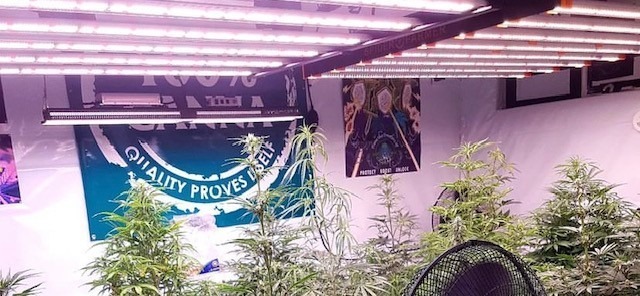
Successful cannabis cultivation relies not only on proper lighting but also on maintaining an optimal growing environment. Factors such as temperature, humidity, air circulation, and nutrient availability play crucial roles in plant health, growth, and productivity. By creating and maintaining an ideal environment, cultivators can maximize the potential of their cannabis plants and achieve consistent, high-quality harvests.
Temperature Control:
Maintaining the right temperature is vital for cannabis cultivation, as temperature extremes can stress plants and affect their growth and development. For most cannabis strains, temperatures between 70°F to 85°F (21°C to 29°C) are considered ideal during the day, with slightly cooler temperatures at night. LED grow lights contribute to temperature control by emitting less heat compared to traditional lighting sources such as HPS or MH lights. This reduces the need for additional cooling systems and allows cultivators to maintain stable temperatures within the grow space, minimizing the risk of heat stress and ensuring optimal growing conditions.
Humidity Management:
Humidity levels also play a critical role in cannabis cultivation, affecting transpiration, nutrient uptake, and susceptibility to pests and diseases. During the vegetative phase, higher humidity levels (around 40% to 60%) are generally preferred to promote healthy leaf development and growth. In contrast, lower humidity levels (around 30% to 50%) are recommended during the flowering phase to minimize the risk of mold and bud rot. LED grow lights help maintain optimal humidity levels by emitting less heat, reducing the moisture content in the air and minimizing the risk of excess humidity buildup. This creates a more favorable growing environment and reduces the likelihood of humidity-related issues.
Air Circulation:
Proper air circulation is essential for promoting healthy plant growth, preventing mold and mildew, and ensuring efficient nutrient uptake. Adequate airflow helps distribute fresh air, regulate temperature and humidity, and strengthen plant stems. LED grow lights contribute to air circulation by producing less heat, allowing for more efficient ventilation and airflow within the grow space. By ensuring proper air circulation, cultivators can create a healthier growing environment and minimize the risk of common airflow-related issues such as stagnant air and uneven plant growth.
Nutrient Management:
Providing cannabis plants with the right nutrients is essential for supporting their growth and development throughout all growth stages. LED grow lights indirectly contribute to nutrient management by promoting photosynthesis, the process by which plants convert light energy into chemical energy to fuel growth. By providing optimal light conditions, LED grow lights enhance nutrient uptake and metabolism, allowing plants to utilize nutrients more efficiently and promoting healthy, vigorous growth.
In conclusion, maintaining an ideal growing environment is essential for successful cannabis cultivation. Factors such as temperature, humidity, air circulation, and nutrient availability profoundly impact plant health and productivity. LED grow lights play a crucial role in creating and maintaining optimal environmental conditions by emitting less heat, reducing the risk of heat stress, and allowing for more precise climate control. By carefully managing environmental factors and utilizing LED grow lights to their full potential, cultivators can optimize plant growth, maximize yield, and achieve consistent, high-quality harvests of premium cannabis.
Read more about: Relative Humidity and Temperature Conditions
8. Cultivating cannabis with LED’s : Common Mistakes to Avoid
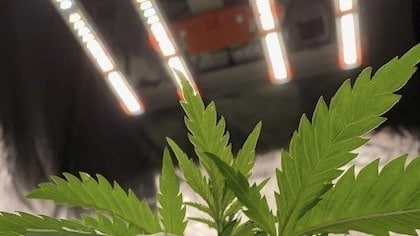
While LED grow lights offer significant advantages for cannabis cultivation, several common mistakes can compromise plant health, growth, and ultimately, yield. By identifying and avoiding these pitfalls, cultivators can optimize their growing practices and maximize the potential of their cannabis crops.
1. Inadequate Lighting:
One of the most common mistakes in cannabis cultivation is providing insufficient lighting to support healthy plant growth. LED grow lights require careful calibration of light intensity and spectrum to meet the specific needs of cannabis plants at different growth stages. Failure to provide adequate light intensity or an improper light spectrum can stunt growth, inhibit photosynthesis, and reduce yields. It’s essential to research and understand the light requirements of cannabis plants and ensure that LED lights are appropriately adjusted to provide optimal illumination throughout all growth phases.
2. Overcrowding:
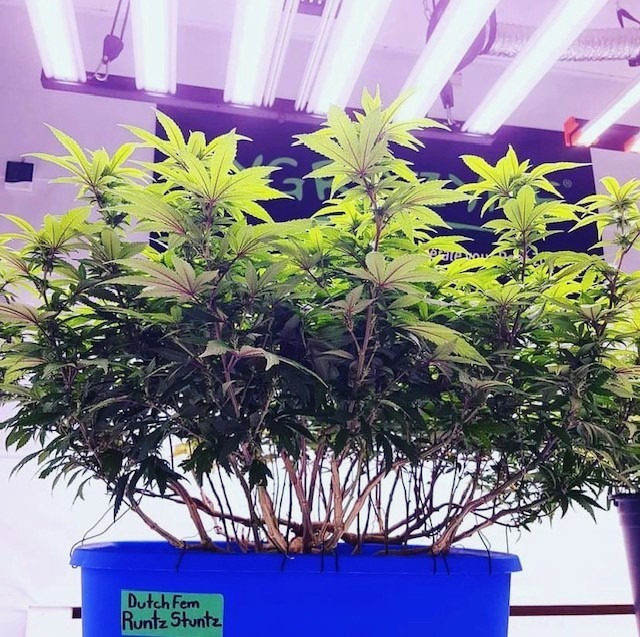
Overcrowding of plants within the grow space is another common mistake that can have detrimental effects on cannabis growth and yield. Dense canopies limit light penetration and air circulation, creating an environment conducive to mold, mildew, and pest infestations. To avoid overcrowding, it’s important to provide sufficient spacing between plants, allowing for adequate light distribution, airflow, and room for growth. Pruning or thinning out excess foliage can also help optimize canopy structure and promote better light penetration and air circulation.
3. Ignoring Environmental Factors:
Neglecting crucial environmental factors such as temperature, humidity, and airflow can have significant consequences for cannabis cultivation. Fluctuations in temperature or humidity levels can stress plants, disrupt metabolic processes, and increase the risk of nutrient deficiencies, disease outbreaks, and reduced plant health. It’s essential to monitor and maintain optimal environmental conditions within the grow space, utilizing tools such as thermometers, hygrometers, and fans to regulate temperature, humidity, and airflow. Additionally, proper ventilation and air circulation help prevent stagnant air and ensure even distribution of fresh air throughout the grow space, promoting healthier plant growth and minimizing the risk of common environmental issues.
In conclusion, while LED grow lights offer numerous benefits for cannabis cultivation, it’s essential to avoid common mistakes that can compromise plant health and yield. Providing adequate lighting, avoiding overcrowding, and monitoring environmental factors are key aspects of successful cannabis cultivation. By addressing these potential pitfalls and implementing best practices, cultivators can optimize their growing techniques, maximize yield, and achieve consistent, high-quality harvests of premium cannabis.
9. Cultivating cannabis with LED’s Conclusion: Harnessing the Power of LED for Cannabis Growth
In conclusion, LED grow lights have revolutionized cannabis cultivation, offering energy-efficient, customizable lighting solutions that cater to the specific needs of plants at different growth stages. By understanding the optimal light distances, intensities, and spectra required for vegetative growth and flowering, growers can maximize yields, potency, and overall quality. With careful attention to environmental conditions and avoidance of common pitfalls, cultivators can harness the full potential of LED technology to cultivate healthy, vigorous cannabis plants indoors.
By implementing the strategies outlined in this guide, you can elevate your cannabis cultivation endeavors and achieve consistent success harvest after harvest. Unlock the full potential of your indoor garden with LED grow lights and experience the satisfaction of growing premium-quality cannabis from the comfort of your home.








You must be logged in to post a comment.