

Growing Cannabis Without Fertilizers: A Natural Approach to Cultivation
Introduction
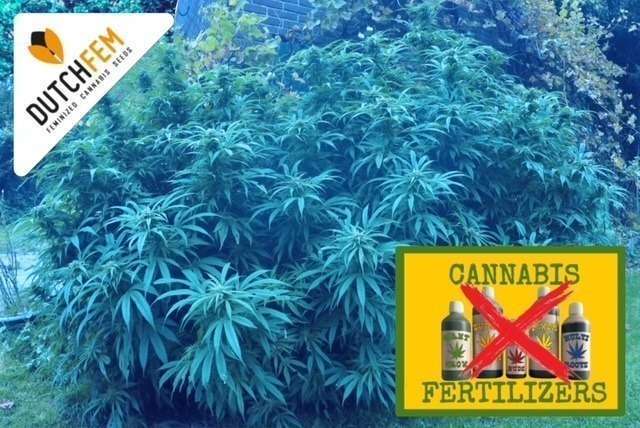
Growing cannabis without fertilizers may seem unconventional, but it’s entirely possible and, in many ways, beneficial. While most growers rely on nutrient-rich fertilizers to boost plant growth, cannabis is a hardy plant that can thrive in natural soil under the right conditions. By harnessing nature’s own processes, you can grow healthy cannabis plants without the need for synthetic or organic fertilizers. In this blog, we’ll explore the methods, benefits, and best practices for cultivating cannabis without adding extra nutrients.
-
Chapter 1: Understanding Soil Quality
-
Chapter 2: Companion Planting for Natural Nutrients
-
Chapter 3: Watering Wisely
-
Chapter 4: Maximizing Microbial Life
-
Chapter 5: Utilizing Natural Mulches
-
Chapter 6: Organic Waste as a Natural Alternative
-
Chapter 7: Pest and Disease Management Without Chemicals
-
Chapter 8: Harvesting and Curing Naturally Grown Cannabis
-
Chapter 9: Choosing the Right Cannabis Strains
Growing Cannabis Without Fertilizers Chapter 1: Understanding Soil Quality
When growing cannabis without fertilizers, the foundation of your success lies in the quality of your soil. Unlike traditional methods that rely on synthetic nutrients, this approach taps into the natural richness of the earth, allowing plants to thrive by extracting what they need directly from the soil. The key is to ensure that the soil is naturally nutrient-dense and full of life.
Growing Cannabis Without Fertilizers: Choosing the Right Soil
Not all soil is created equal, and cannabis plants have specific needs when it comes to their growing environment. The best soil for growing cannabis without fertilizers should be rich in organic matter, well-aerated, and have excellent drainage.
One of the best options is loamy soil—a balanced mix of sand, silt, and clay. Loam holds moisture efficiently while allowing excess water to drain away, preventing issues like root rot and fungal infections. This type of soil provides a stable environment for roots to spread out and absorb nutrients naturally.

Key Signs of High-Quality Soil:
- Dark, crumbly texture – Indicates a good balance of organic matter and minerals.
- Presence of earthworms and beneficial insects – A sign that the soil is alive and rich in essential nutrients.
- A neutral to slightly acidic pH (between 6.0 and 7.0) – This range ensures optimal nutrient absorption.
If your soil doesn’t naturally meet these conditions, don’t worry. There are several ways to improve it using only natural methods.
Growing Cannabis Without Fertilizers: Improving Soil Naturally
Without the use of synthetic fertilizers, soil health must be built up over time using natural amendments and techniques. The goal is to create an environment where beneficial microorganisms thrive, breaking down organic matter into nutrients that cannabis plants can easily absorb.
Compost: Nature’s Best Soil Booster
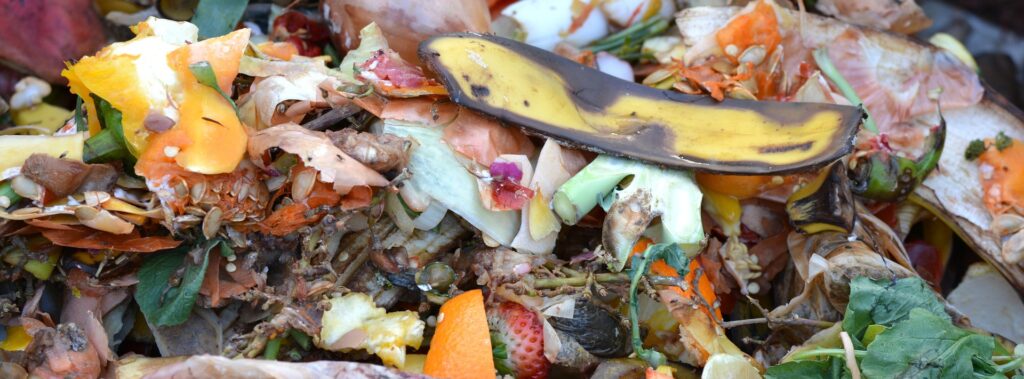
Compost is a powerhouse when it comes to enriching soil. It consists of decomposed organic materials like vegetable scraps, leaves, grass clippings, and coffee grounds. When added to soil, compost introduces beneficial microbes that help break down organic matter into essential nutrients.
To make your own compost, simply pile up organic waste in a compost bin or a designated area in your garden. Over time, as these materials break down, they create a nutrient-rich substance that can be mixed into the soil before planting or used as a top dressing around your cannabis plants.
Mulching: Retaining Moisture and Boosting Fertility
Mulching is another essential technique for maintaining soil fertility. A layer of organic material like straw, wood chips, or dead leaves helps retain moisture, regulate soil temperature, and prevent weeds from taking over. As mulch slowly decomposes, it releases valuable nutrients into the soil, mimicking the natural process that occurs in forests and wild landscapes.
To use mulch effectively:
- Spread a layer of organic material around the base of your cannabis plants, making sure not to pile it directly against the stems.
- Replace or replenish the mulch as it decomposes throughout the season.
- Choose natural materials like straw, grass clippings, shredded leaves, or wood chips for the best results.
Cover Crops: Nature’s Soil Builders
Cover crops, also known as green manure, are plants grown specifically to improve soil health. Certain cover crops, such as clover and alfalfa, have the ability to fix nitrogen in the soil—a crucial nutrient for cannabis growth.
How to use cover crops effectively:
- Plant them in the growing area during the off-season or between cannabis growing cycles.
- Allow them to grow for a few weeks or months, then cut them down and mix them into the soil before planting your cannabis.
- The decomposition process releases nitrogen and organic matter, naturally enhancing soil fertility.
Growing Cannabis Without Fertilizers: Letting Nature Do the Work
By focusing on soil quality rather than relying on commercial fertilizers, you’re allowing nature to do what it does best—create a thriving ecosystem for your cannabis plants. Healthy soil will naturally provide everything cannabis needs, from essential nutrients to microbial life that supports root development. The key is patience and consistency. Over time, the soil will improve, making each successive growing season more productive and resilient.
This method not only results in healthier plants but also promotes sustainable, eco-friendly cannabis cultivation. With rich, living soil as your foundation, you’re well on your way to a successful, fertilizer-free grow.
Growing Cannabis Without Fertilizers Chapter 2: Companion Planting for Natural Nutrients
Companion planting is a great way to grow cannabis without relying on artificial fertilizers. By placing certain plants alongside your cannabis, you can improve soil health, repel pests, and promote stronger growth naturally.
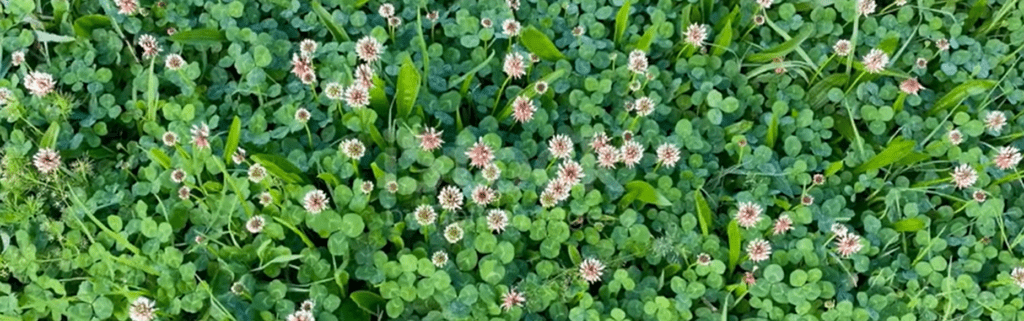
One of the best ways to enrich the soil is by using nitrogen-fixing plants like clover and peas. These plants have a special ability to pull nitrogen from the air and store it in the soil, making it available for cannabis plants to use. Since nitrogen is essential for leafy growth, this natural process ensures your plants stay strong and healthy.
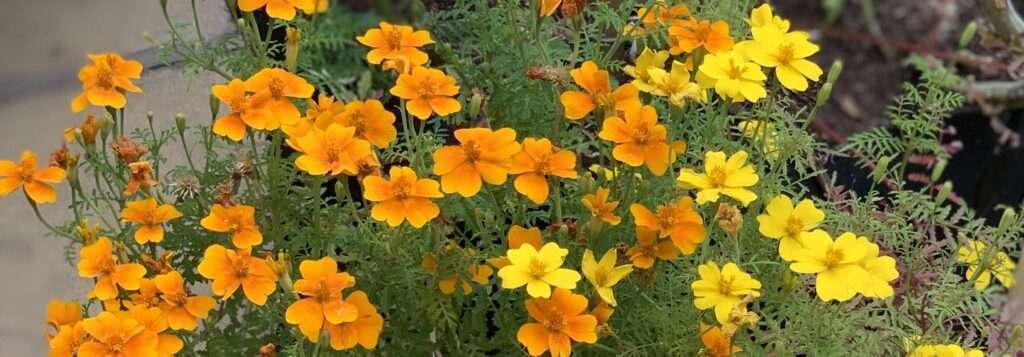
Another smart choice is marigolds and basil, which help keep harmful insects away. Marigolds release a scent that repels nematodes and aphids, while basil deters flies and mosquitoes. This natural pest control protects your cannabis plants without the need for chemical sprays.
For improving soil structure, sunflowers are an excellent companion. Their deep roots loosen compacted soil, allowing water and oxygen to reach cannabis roots more easily. This helps prevent waterlogging and root rot, two common problems in dense or clay-heavy soils.
By carefully choosing companion plants, you create a balanced ecosystem that provides nutrients, protects against pests, and improves soil quality—all without synthetic fertilizers. This method not only keeps your cannabis plants healthy but also supports a more sustainable and natural way of growing.
Growing Cannabis Without Fertilizers Chapter 3: Watering Wisely
When growing cannabis without fertilizers, proper watering is essential for maintaining soil health and plant vitality. Water is more than just hydration—it helps transport nutrients, supports beneficial microbes, and keeps the roots functioning efficiently. Since you won’t be adding extra nutrients through fertilizers, it’s even more important to choose the right water and watering methods.
Choosing the Best Water
Rainwater is the ideal choice because it is naturally pH-balanced and free from harmful chemicals. It also contains trace minerals that benefit cannabis plants. Collecting rainwater in barrels or buckets can provide a sustainable water source throughout the growing season.
If rainwater isn’t available, well water or spring water is the next best option. These sources are usually rich in minerals, making them healthier for soil life. However, it’s always a good idea to check their pH levels to ensure they aren’t too acidic or alkaline for cannabis.
Tap water is convenient but often contains chlorine, fluoride, and other chemicals that can harm beneficial soil microbes. If you must use tap water, let it sit in an open container for 24 hours before using it. This allows chlorine to evaporate, making the water safer for your plants.
Best Practices for Watering Naturally
-
Water Deeply, But Less Often
Instead of frequent shallow watering, give your plants a thorough soak every few days. This encourages the roots to grow deeper into the soil, making them stronger and more drought-resistant. -
Use Mulch to Retain Moisture
Adding a layer of straw, wood chips, or dried leaves around your cannabis plants helps the soil retain moisture and reduces evaporation. Mulch also protects the soil from temperature extremes, keeping the roots comfortable. -
Avoid Overwatering
Too much water can suffocate roots and create the perfect conditions for fungal infections and root rot. The best way to check if your plants need water is to stick a finger into the soil about 2 inches deep. If it feels dry at that depth, it’s time to water.
By following these watering practices, you create a natural and balanced environment where cannabis can thrive without synthetic fertilizers. With the right water and careful attention, your plants will stay strong, healthy, and full of life.
Growing Cannabis Without Fertilizers Chapter 4: Maximizing Microbial Life
Healthy soil is full of tiny organisms that work together to create a thriving environment for plants. Instead of relying on fertilizers, cannabis can get its nutrients from microbes that break down organic material and make essential elements available to the roots. By encouraging beneficial microbial life, you can grow strong, healthy cannabis plants without ever adding synthetic nutrients.
Understanding the Role of Soil Microbes
Soil microbes, including bacteria, fungi, and other microscopic organisms, play a crucial role in plant growth. They help decompose organic matter, release nutrients, and protect plant roots from disease. Some microbes form special relationships with plant roots, making it easier for cannabis to absorb water and minerals. Without a thriving microbial community, soil can become lifeless and unproductive.
How to Boost Microbial Life Naturally
-
Add Organic Matter
Microbes feed on organic material, so adding decomposed leaves, grass clippings, and compost helps fuel their activity. As these materials break down, they provide a steady release of nutrients like nitrogen, phosphorus, and potassium—just like fertilizers, but in a slow and natural way. Covering the soil with organic mulch also encourages microbes to flourish by keeping the environment moist and protected. -
Use Mycorrhizal Fungi
Mycorrhizal fungi are beneficial organisms that form a symbiotic relationship with cannabis roots. These fungi attach to the roots and create a network that extends deep into the soil, helping the plant absorb water and minerals more efficiently. They also protect against harmful pathogens and improve overall plant resilience. You can introduce mycorrhizal fungi to your soil by adding products that contain spores or by using compost rich in naturally occurring fungi. -
Avoid Chemical Pesticides and Herbicides
Many synthetic pesticides and herbicides kill both harmful and beneficial microbes in the soil. When you spray chemicals to control pests or weeds, you may be destroying the very organisms that make nutrients available to your plants. Instead, choose natural pest control methods like companion planting (using pest-repelling plants like basil and marigolds) or applying organic solutions such as neem oil or insecticidal soap. -
Keep the Soil Moist but Not Waterlogged
Microbial life thrives in moist, well-aerated soil. Too much water can create oxygen-poor conditions, which can kill beneficial microbes and encourage harmful pathogens. On the other hand, dry soil slows down microbial activity and limits nutrient availability. Using mulch and watering wisely (as discussed in Chapter 3) helps maintain the perfect balance for microbes to flourish. -
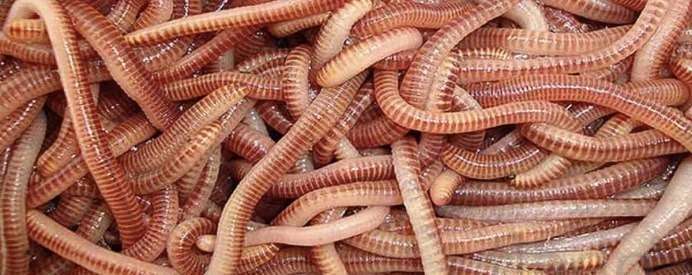
Encourage Worms and Other Soil Creatures
Earthworms and other small soil creatures improve microbial life by breaking down organic matter and aerating the soil. Their waste, known as worm castings, is a powerful natural fertilizer packed with nutrients. You can attract more worms to your soil by adding compost, avoiding chemical treatments, and keeping the soil covered with mulch or organic material.
The Benefits of a Thriving Soil Ecosystem
When microbial life is strong, cannabis plants receive a steady and balanced supply of nutrients, just as they would in nature. Instead of experiencing sudden nutrient spikes from synthetic fertilizers, your plants get a continuous, gentle flow of nourishment. This results in healthier, more resilient cannabis with better flavor and aroma—without the risk of chemical buildup or soil depletion.
By focusing on building rich, living soil, you create a self-sustaining environment where cannabis can thrive naturally. Over time, your garden will become healthier and more productive, with little need for outside inputs. In the end, maximizing microbial life is one of the best ways to grow cannabis without fertilizers while maintaining a truly organic and sustainable approach.
Chapter 5: Utilizing Natural Mulches
Mulching is one of the easiest and most effective ways to maintain soil fertility when growing cannabis without fertilizers. By covering the soil with organic materials, you create a protective layer that helps retain moisture, prevent weeds, and improve overall soil health. As the mulch breaks down, it releases nutrients slowly, providing a natural and steady source of nourishment for your cannabis plants.
Why Mulching is Essential
A good mulch layer benefits cannabis in several ways:
- Reduces Water Loss: By preventing direct sunlight from hitting the soil, mulch helps retain moisture, reducing the need for frequent watering.
- Protects Roots: A mulch layer keeps the soil temperature stable, shielding roots from extreme heat and cold.
- Prevents Weeds: Mulch blocks sunlight from reaching weed seeds, preventing them from sprouting and competing with cannabis for nutrients.
- Encourages Soil Microbes: As mulch decomposes, it feeds beneficial microbes, which in turn break down organic matter into essential nutrients for plant growth.
Best Mulching Materials for Cannabis
-
Straw or Hay
Straw and hay are excellent choices because they create a light, airy mulch layer that retains moisture while preventing weeds. They decompose slowly, adding organic matter to the soil over time. -
Wood Chips or Bark
These materials take longer to break down, making them a great option for long-term soil improvement. As they decompose, they release nutrients gradually, enhancing soil fertility. Just be sure to use untreated wood to avoid introducing chemicals into your soil. -
Grass Clippings and Leaves
Fresh grass clippings provide a nitrogen boost, while dried leaves add valuable organic material that improves soil texture. Mixing both creates a balanced mulch that enhances microbial activity and supports plant growth.
How to Apply Mulch Effectively
- Spread a 2-3 inch layer of mulch around the base of your cannabis plants, but avoid direct contact with the stems to prevent rot.
- Replenish the mulch as it decomposes to maintain soil protection and nutrient release.
- If using fresh materials like grass clippings, apply a thin layer at first to prevent matting and allow for proper airflow.
By utilizing natural mulches, you create a self-sustaining growing environment where cannabis can thrive without the need for synthetic fertilizers. With better moisture retention, weed suppression, and slow nutrient release, mulching is a simple yet powerful way to support healthy cannabis growth naturally.
Growing Cannabis Without Fertilizers Chapter 6: Organic Waste as a Natural Alternative
If you want to grow cannabis without synthetic fertilizers, recycling organic waste directly into the soil is a great way to provide nutrients naturally. Instead of throwing away food scraps and plant material, you can use them to improve soil health and support cannabis growth. This simple technique mimics nature’s way of replenishing nutrients, creating a self-sustaining ecosystem.
How Organic Waste Feeds the Soil
When organic materials decompose, they break down into essential nutrients that plants can absorb. This process is powered by beneficial microbes in the soil, which transform waste into plant-available forms of nitrogen, phosphorus, potassium, and other minerals. By regularly adding organic waste, you create a continuous cycle of nutrient release without the need for store-bought fertilizers.
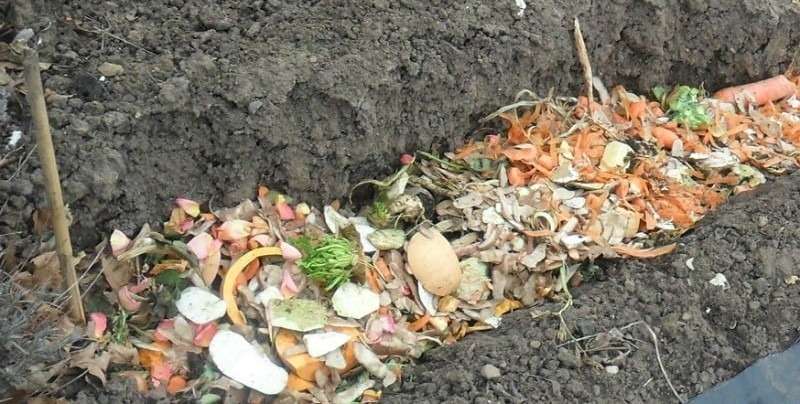
One of the easiest ways to use organic waste is trench composting. This method involves digging a shallow trench near your cannabis plants and burying organic scraps like vegetable peels, eggshells, and coffee grounds. Over time, these materials decompose, enriching the soil naturally.
Best Organic Materials to Use
-
Banana Peels (Potassium Boost)
Potassium is essential for flower development and overall plant strength. Burying banana peels in the soil provides a slow-releasing source of potassium, which helps cannabis plants produce bigger, denser buds. -
Eggshells (Calcium for Strong Cell Walls)
Calcium is important for cell wall structure and root development. Crushed eggshells break down slowly, supplying a steady source of calcium to prevent deficiencies like weak stems or curled leaves. -
Used Coffee Grounds (Mild Nitrogen Source)
Coffee grounds contain small amounts of nitrogen, which helps with leafy growth. They also improve soil texture and attract earthworms, which further enrich the soil. -
Seaweed or Kelp (Micronutrients and Minerals)
Seaweed and kelp contain trace minerals like iron, zinc, and magnesium, which cannabis needs in small but crucial amounts. These materials break down quickly and enhance microbial activity in the soil.
How to Apply Organic Waste to Your Garden
- Bury scraps in small trenches around your cannabis plants, covering them with soil to prevent pests and odors.
- Chop larger items like banana peels and eggshells into smaller pieces to speed up decomposition.
- Spread used coffee grounds lightly on top of the soil or mix them into compost for better absorption.
- Rinse seaweed before use to remove excess salt, then chop and mix it into the soil or use it as mulch.
By adding organic waste regularly, you keep your soil rich in nutrients without needing synthetic fertilizers. This natural approach not only benefits your cannabis plants but also improves soil health, making your garden more productive year after year.
Chapter 7: Pest and Disease Management Without Chemicals
When growing cannabis without fertilizers, you also need to avoid chemical pesticides. Many conventional growers use synthetic fertilizers alongside chemical pest control, but natural methods can keep your plants healthy without harming the environment. The key is to maintain a balanced ecosystem where beneficial insects, companion plants, and organic remedies help control pests and diseases naturally.
Natural Pest Control Methods
-
Encourage Beneficial Insects
Some insects are natural predators of common cannabis pests. For example, ladybugs and lacewings eat aphids, while praying mantises feed on various harmful bugs. You can attract these helpful insects by planting flowers like dill, fennel, and marigolds near your cannabis plants. -
Use Diatomaceous Earth
Diatomaceous earth is a fine, powdery substance made from fossilized algae. It’s completely natural and safe for plants, but deadly to crawling insects like thrips, spider mites, and caterpillars. Sprinkle a thin layer around the base of your cannabis plants to create a barrier that deters pests. -
Apply Neem Oil or Soap Spray
Neem oil is a powerful natural insecticide that disrupts the life cycle of mites, aphids, and whiteflies. A light spray of diluted neem oil on the leaves can prevent infestations. If pests are already present, a mild soap and water solution can help wash them away without harming the plant. Be sure to apply these treatments in the evening to avoid burning the leaves in direct sunlight. -
Plant Garlic and Onions as Natural Repellents
Pungent plants like garlic, onions, and chives naturally repel many insects, including aphids and spider mites. By growing these plants near your cannabis, you create a protective barrier against common pests. Other great companion plants for pest control include basil (to deter flies and mosquitoes) and marigolds (to repel nematodes and aphids).
Preventing Diseases Naturally
- Ensure Proper Airflow: Good spacing between plants reduces the risk of fungal infections like powdery mildew.
- Avoid Overwatering: Damp conditions encourage mold and root rot, so always check soil moisture before watering.
- Prune Regularly: Removing excess leaves improves airflow and prevents disease buildup.
By fostering a diverse and natural garden environment, you can effectively protect your cannabis plants without synthetic pesticides. This not only ensures healthier, chemical-free buds but also supports a more sustainable and eco-friendly way of growing.
Chapter 8: Harvesting and Curing Naturally Grown Cannabis
After months of careful, fertilizer-free cultivation, the final step is harvesting and curing your cannabis properly. Naturally grown cannabis is often smoother and more flavorful due to the absence of synthetic nutrients, but proper drying and curing are essential to bring out the best taste, aroma, and potency.
When to Harvest Your Cannabis
The best time to harvest is when the trichomes (tiny resin glands on the buds) have turned from clear to milky white or amber. Milky trichomes indicate peak THC levels, while amber trichomes suggest a slightly more relaxing, sedative effect. Using a jeweler’s loupe or a digital microscope can help you check these details up close.
Additionally, watch for the pistils (hairs on the buds). When about 70–90% of the pistils have darkened and curled inwards, your cannabis is likely ready for harvest.
How to Harvest Naturally Grown Cannabis
-
Trim Large Fan Leaves
Before cutting down the plant, remove the large fan leaves. This step helps improve airflow during drying and speeds up the process. -
Cut Branches and Hang Them Upside Down
Use clean scissors or garden shears to cut the branches and hang them upside down in a cool, dark room with good airflow. This method allows moisture to leave the buds slowly, preserving terpenes and cannabinoids.
Drying Cannabis the Natural Way
The drying process should take 7–14 days depending on humidity and temperature. Ideal drying conditions are:
- Temperature: 18–22°C (65–72°F)
- Humidity: 50–60%
- Airflow: Gentle ventilation to prevent mold
To check if your buds are dry, bend a small stem—if it snaps instead of bending, the buds are ready for curing.
Curing for Maximum Flavor and Smoothness
Curing improves the quality of your cannabis by breaking down excess chlorophyll, enhancing the terpene profile, and making the smoke smoother. Follow these steps for the best results:
-
Place Dried Buds in Glass Jars
Fill glass jars about ¾ full, leaving some space for air circulation. Avoid plastic containers, as they can trap unwanted moisture. -
Burp the Jars Daily
For the first two weeks, open the jars once a day for 10–15 minutes to release moisture and allow fresh air in. If buds feel too damp, leave the lid off for a few hours. -
Cure for 2–6 Weeks
The longer you cure, the better the flavor. A well-cured bud will have a strong, pleasant aroma and a smooth smoke without harshness.
With proper curing, naturally grown cannabis develops rich flavors and aromas, offering a clean, enjoyable experience without any fertilizer residues.
Chapter 9: Choosing the Right Cannabis Strains
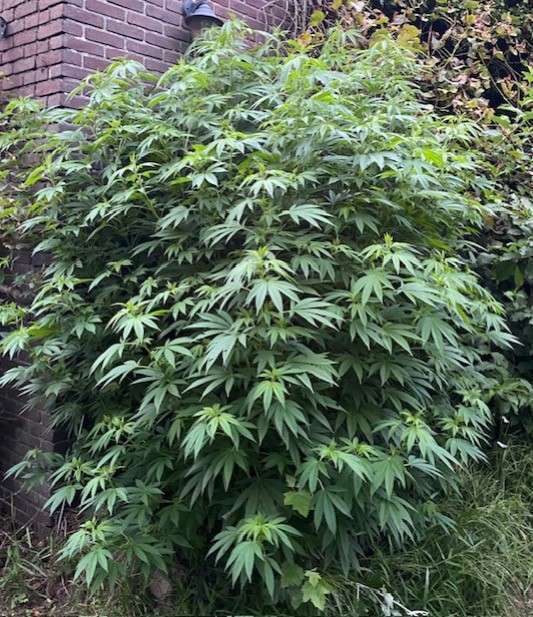
Not all cannabis strains thrive under the same conditions, especially when grown without fertilizers. Some varieties need heavy nutrient supplementation, while others naturally adapt to low-maintenance environments. If you’re growing cannabis using only natural methods, choosing the right strain can make all the difference.
What Makes a Strain Suitable for Natural Growing?
When growing cannabis without fertilizers, look for strains that are:
- Hardy and Resilient – Can withstand different weather conditions and soil types.
- Naturally Vigorous – Grow strong without heavy feeding.
- Pest and Disease Resistant – Can defend themselves against mold, pests, and fungi.
- Autoflowering or Landrace-Based – Have genetics that thrive in the wild with minimal human intervention.
Recommended Strains for Natural Growing
-
Amnesia Haze (Sativa-Dominant) order here: Amnesia Haze Feminized Seeds
A classic sativa haze with strong genetics that make it highly resistant to pests and environmental stress. This strain thrives outdoors and adapts well to organic, living soils. It prefers warm climates but can also handle mild fluctuations in weather. -
Northern Light Special (Indica-Dominant) order here: Northern Light Special Feminized Seeds
This indica strain is famous for its low-maintenance growing requirements and ability to thrive in various conditions. It has strong natural resistance to pests, diseases, and temperature changes, making it a great choice for fertilizer-free cultivation. -
Northern Lights Auto (Autoflowering Indica Hybrid) order here: Northern Light Autoflowering Seeds
Autoflowers are ideal for growers who want a fast-growing, easy-to-maintain plant. Northern Lights Auto is compact, resilient, and doesn’t require excessive nutrients to produce high-quality buds. It flourishes in organic soil with natural amendments like compost and mulch. -
Skunk #11 (Balanced Hybrid) order here: Skunk #11 regular seeds
One of the most famous cannabis strains, Skunk #11 is known for its stability and adaptability. It performs well in outdoor settings, naturally resists pests, and produces impressive yields without excessive feeding.
Why Strain Selection Matters
Choosing the right strain ensures that your cannabis grows strong, healthy, and productive without the need for synthetic nutrients. Naturally resilient strains:
- Require less water and care, making them great for beginner growers.
- Resist pests and diseases, reducing the need for intervention.
- Thrive in organic, living soil, benefiting from natural nutrients.
By selecting robust, well-adapted strains, you increase your chances of a successful, chemical-free harvest.
Conclusion Growing cannabis without fertilizers:
Growing cannabis without fertilizers is not only possible but also rewarding. By focusing on soil quality, companion planting, natural mulching, and microbial life, you can cultivate thriving cannabis plants without synthetic or organic nutrient supplements. This approach promotes sustainability, enhances natural flavors, and supports long-term soil health. Whether you’re an eco-conscious grower or simply looking for a low-maintenance way to grow cannabis, nature provides all the tools needed for success.
How to make a composting trench
Growing in open soil without fertilizers








You must be logged in to post a comment.