


How to harvest Cannabis
The Ultimate Guide on How to harvest cannabis : Whole Plants vs. Buds, Wet Cutting vs. Dry Cutting
How to harvest cannabis? Harvesting cannabis is an art form that can significantly impact the quality of your final product. The method you choose to cut and dry your cannabis plants will influence not only the potency and flavor of the buds but also the ease of the process itself. This comprehensive guide will explore the two primary methods of cannabis harvesting—harvesting and drying whole plants versus harvesting and drying only the buds. We’ll also delve into the pros and cons of wet cutting and dry cutting, helping you make informed decisions that suit your growing environment and personal preferences.
- Harvesting and Drying Whole Plants
- Harvesting and Drying Only the Buds
- Wet Cutting vs. Dry Cutting: Pros and Cons
- Choosing the Right Method for You
- How to harvest cannabis
1. How to harvest cannabis: Harvesting and Drying Whole Plants
What Does Harvesting Whole Plants Involve?
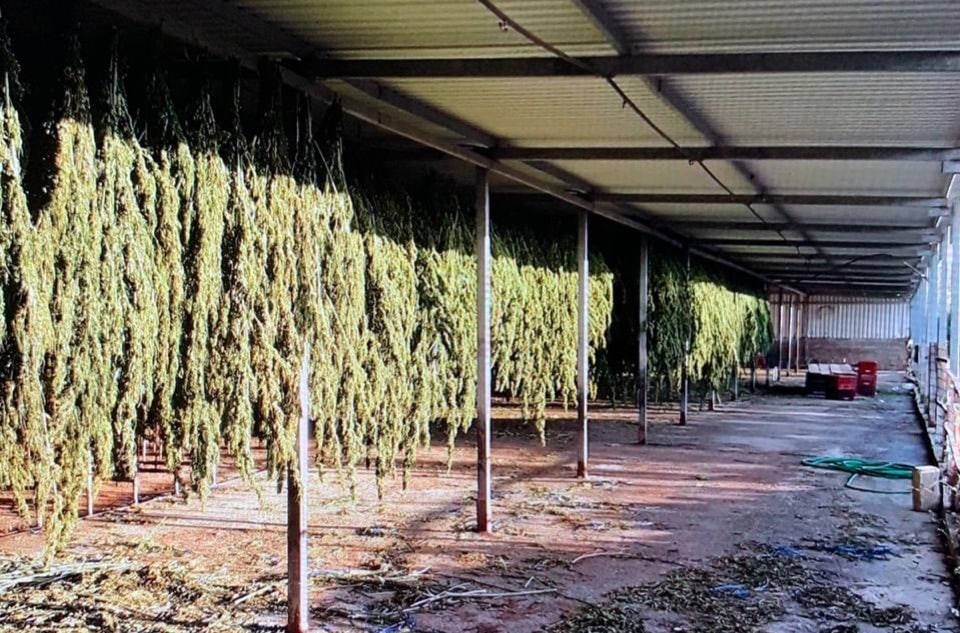
Harvesting whole plants is the traditional method that many cultivators still favor. This process involves cutting down the entire cannabis plant at the base and hanging it upside down to dry. The plant is kept intact, with all branches, leaves, and buds left on the plant during the drying process. This method is particularly popular in commercial grow operations, but it’s also used by small-scale home growers who seek to preserve the quality of their cannabis.
The Process of Harvesting and Drying Whole Plants
Step 1: Determine the Right Time to Harvest
The timing of your harvest is crucial. Look for signs of maturity in the trichomes (the resin glands on the buds). Trichomes should be cloudy with some turning amber, indicating peak potency. The pistils, or hairs, on the buds, will also turn from white to a reddish-brown color. This is a clear sign that your plants are ready for harvest.
Step 2: Prepare Your Drying Area
Before you start cutting, ensure that you have a proper drying area set up. This space should be dark, well-ventilated, and kept at a temperature between 60-70°F (15-21°C) with a humidity level of 50-60%. This environment will help preserve the terpenes (aromatic compounds) and cannabinoids (active compounds like THC and CBD) in your buds.
Step 3: Cut Down the Whole Plant
Using a sharp, sterile pair of pruning shears, cut the plant at the base, just above the soil line. Be careful to handle the plant gently to avoid damaging the buds or dislodging trichomes.
Step 4: Hang the Plant to Dry
Hang the plant upside down in your drying area. You can use a drying rack or hang the plant directly from a line using the branches. Ensure there is enough space between plants to allow for adequate airflow, which is critical to prevent mold and mildew from forming.
Step 5: Monitor the Drying Process
Drying typically takes 7-14 days, depending on environmental conditions. Check the plants daily for signs of mold and ensure that the drying area maintains consistent temperature and humidity levels. The drying process is complete when the branches snap cleanly rather than bend, and the buds feel dry to the touch.
Step 6: Trim the Buds (Optional)
Once the plant is fully dried, you can trim the buds. This involves removing any remaining fan leaves and sugar leaves (small leaves coated with trichomes) to enhance the appearance and quality of the buds. Some growers prefer to trim before drying (wet trimming), while others trim after drying (dry trimming).
Pros of Harvesting and Drying Whole Plants
1. Slower Drying Process
Drying the whole plant allows for a slower, more controlled drying process. The excess leaves and stems retain moisture, which helps to prevent the buds from drying out too quickly. This slower drying can enhance the flavor and potency of the buds by preserving the terpenes and preventing the loss of volatile compounds.
2. Better Preservation of Terpenes
Terpenes are delicate and can evaporate or degrade if dried too quickly. The whole-plant drying method helps to protect these valuable compounds, resulting in a more aromatic and flavorful final product.
3. Less Handling of Buds
By keeping the buds on the plant during drying, you reduce the amount of handling, which can cause trichomes to break off. Trichomes contain the highest concentration of cannabinoids, so preserving them is essential for maintaining the potency of your cannabis.
Cons of Harvesting and Drying Whole Plants
1. Requires More Space
Drying whole plants requires a significant amount of space, especially if you have a large harvest. The plants need to be hung with enough space between them to ensure proper airflow, which can be a challenge in smaller drying areas.
2. Slower Drying Time
While a slower drying process can be beneficial for preserving terpenes, it also increases the risk of mold if humidity levels are not carefully controlled. This method requires diligent monitoring to ensure that the plants do not become too moist during drying.
3. More Trimming Work After Drying
If you choose to dry trim (trimming after drying), you may find the process more labor-intensive. The leaves can become more brittle, making them harder to trim cleanly. Additionally, dry trimming can result in more trichome loss if not done carefully.

2. How to harvest cannabis: Harvesting and Drying Only the Buds
What Does Harvesting Only the Buds Involve?
Harvesting only the buds, often referred to as “bucking,” involves cutting the buds off the branches before drying. This method is commonly used by growers who prefer to wet trim (trimming before drying) and by those who have limited drying space. This approach allows for more efficient use of drying space and can speed up the drying process.
The Process of Harvesting and Drying Only the Buds
Step 1: Determine the Right Time to Harvest
As with whole-plant harvesting, timing is crucial. Monitor the trichomes and pistils to determine when your cannabis is ready for harvest.
Step 2: Prepare Your Drying Area
Set up a drying area with the same conditions as you would for whole plants—dark, well-ventilated, with temperatures between 60-70°F (15-21°C) and humidity levels at 50-60%.
Step 3: Cut the Buds from the Branches
Using sharp, sterile scissors or pruning shears, carefully cut the buds off the branches. Be gentle to avoid damaging the buds or knocking off trichomes. Place the trimmed buds on a drying rack or a screen to allow for even airflow around each bud.
Step 4: Wet Trim the Buds (Optional)
Many growers choose to trim the buds immediately after cutting them from the branches. Wet trimming involves removing the fan leaves and sugar leaves before drying. This can help the buds dry more quickly and reduce the risk of mold.
Step 5: Dry the Buds
Place the trimmed buds in your drying area, ensuring they are evenly spaced on the drying rack or screen. Depending on environmental conditions, the drying process can take 5-10 days. Check the buds regularly to monitor their progress and to prevent mold growth.
Step 6: Final Trim (Optional)
If you opted not to wet trim, you can perform a final trim after the buds are dry. This involves removing any remaining leaves and shaping the buds for a more aesthetically pleasing final product.
Pros of Harvesting and Drying Only the Buds
1. Faster Drying Process
Harvesting and drying only the buds can significantly speed up the drying process. Without the extra moisture from the stems and leaves, the buds dry more quickly, which can be advantageous if you’re in a humid environment or if you’re pressed for time.
2. More Efficient Use of Space
Drying only the buds requires less space than drying whole plants. This method is ideal for growers with limited drying areas or those looking to maximize the efficiency of their drying process.
3. Easier to Control Mold and Mildew
With less plant material to dry, there’s a lower risk of mold and mildew. The buds dry more evenly, and the reduced moisture content decreases the likelihood of moisture-related issues during drying.
Cons of Harvesting and Drying Only the Buds
1. Faster Drying Can Lead to Terpene Loss
While a faster drying process can be beneficial in some respects, it can also lead to the loss of valuable terpenes. These compounds are sensitive to heat and air, and drying too quickly can cause them to evaporate, leading to a less flavorful and aromatic final product.
2. More Handling Increases Risk of Trichome Loss
Cutting and handling the buds more frequently increases the risk of trichome loss. Trichomes contain the highest concentration of cannabinoids, so preserving them is crucial for maintaining potency.
3. Requires Immediate Trimming
If you choose to wet trim, you’ll need to trim the buds immediately after cutting them from the plant. This can be a time-consuming process, especially if you’re harvesting a large number of plants. Additionally, wet trimming can be messy, as the plant material is still moist and sticky.

3. Wet Cutting vs. Dry Cutting: Pros and Cons
How to harvest cannabis: Wet Cutting
Wet cutting refers to trimming your cannabis plants immediately after harvesting while the plant is still fresh and full of moisture. This is the more common practice among many growers, particularly those who prefer a more streamlined harvesting process.
Pros of Wet Cutting
1. Easier Trimming Process
When the plant is still wet, the leaves are more pliable and easier to trim. This can make the trimming process faster and less labor-intensive, especially when dealing with large harvests.
2. Reduced Risk of Mold
By removing excess leaves and branches immediately, there’s less plant material to hold moisture, which can reduce the risk of mold and mildew during the drying process. This is particularly beneficial in humid environments where mold growth is a significant concern.
3. Faster Drying Time
With less plant material to dry, the drying process is typically faster when wet cutting. This can be advantageous if you’re on a tight schedule or need to quickly process multiple harvests.
Cons of Wet Cutting
1. More Trichome Loss
Wet cutting involves more handling of the buds while they are still fresh and sticky. This can result in more trichomes sticking to your scissors and gloves, leading to a potential loss of potency.
2. Requires Immediate Action
Wet trimming needs to be done immediately after harvesting, which can be time-consuming and labor-intensive, especially if you have a large number of plants to process. The process also requires attention to detail to avoid damaging the buds.
3. Less Terpene Preservation
The rapid drying associated with wet cutting can lead to the loss of terpenes, as these aromatic compounds are sensitive to air and temperature. This can result in a final product that is less flavorful and aromatic.
How to harvest cannabis: Dry Cutting
Dry cutting involves letting the plant or buds dry before trimming them. This method is often preferred by growers who want to preserve the maximum amount of terpenes and trichomes in their cannabis.
Pros of Dry Cutting
1. Better Terpene Preservation
Dry cutting allows for a slower, more controlled drying process, which can help preserve the terpenes and enhance the flavor and aroma of the final product. The buds dry more gradually, reducing the risk of terpene loss.
2. Less Sticky Work Environment
Trimming dry cannabis is less messy than wet trimming, as the buds are no longer sticky with resin. This can make the trimming process more comfortable and reduce the amount of resin that sticks to your tools and hands.
3. Potentially Higher Potency
Since dry cutting typically involves less handling of the buds while they are still fresh, there may be less trichome loss during the trimming process. This can result in a final product with higher potency.
Cons of Dry Cutting
1. More Difficult Trimming Process
Dry leaves can become brittle and more difficult to trim cleanly. This can make the trimming process more time-consuming and challenging, especially if the buds are densely packed with leaves.
2. Increased Risk of Mold During Drying
Because the whole plant is left intact during drying, there’s more moisture that needs to be removed. This can increase the risk of mold if the drying environment is not carefully controlled.
3. Requires More Drying Space
Dry cutting, particularly when drying whole plants, requires more space. The plants need to be hung with sufficient airflow to prevent mold, which can be challenging in smaller drying areas.

4. Conclusion: Choosing the Right Method for You
When it comes to harvesting and drying cannabis, there’s no one-size-fits-all approach. The best method for you will depend on your growing environment, the size of your harvest, and your personal preferences.
- If you have plenty of drying space and want to prioritize flavor and potency, harvesting and drying whole plants with dry trimming might be the best option. This method allows for a slower drying process that can enhance the final product’s quality.
- If you’re limited on space or in a humid environment, you might prefer harvesting only the buds and wet trimming. This approach speeds up the drying process and reduces the risk of mold, although it may lead to some terpene loss.
- Wet cutting is ideal for those looking for a faster, more efficient trimming process, while dry cutting is better suited for growers who want to maximize terpene and trichome preservation.
Ultimately, the key to successful cannabis harvesting and drying lies in careful planning and attention to detail. By understanding the pros and cons of each method, you can tailor your approach to suit your specific needs and produce high-quality cannabis that meets your expectations. Whether you’re a seasoned grower or new to cannabis cultivation, experimenting with different techniques will help you find the best method for your unique situation.
How to harvest cannabis:
Read more about Harvesting Cannabis Plants
5 Ways to Fast-Track Cannabis Drying
How do I cure my weed, and why?








You must be logged in to post a comment.