


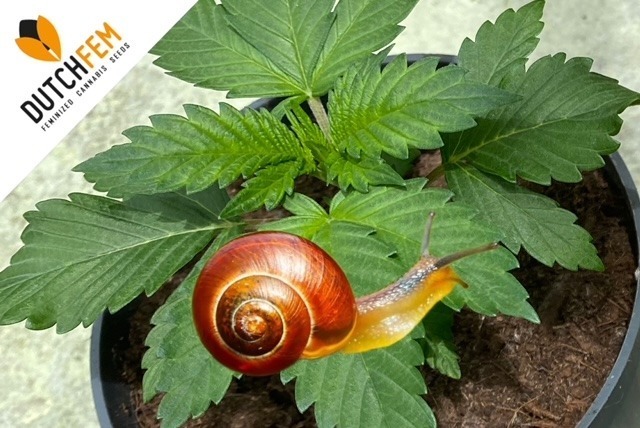
Protecting Cannabis from Snails: Comprehensive Strategies for Outdoor Growers
Protecting Cannabis from Snails. Growing cannabis outdoors offers numerous benefits, including natural sunlight, ample space, and a generally lower cost compared to indoor cultivation. However, outdoor growers must contend with various pests, with snails being among the most destructive. These slimy intruders pose a serious threat to your cannabis plants, often leaving them bare and severely damaged. In this article, we’ll explore the challenges snails present to cannabis growers and delve into effective strategies to protect your plants, focusing on two primary methods: using copper wire circles and selecting pots with outward-folded rims. We’ll also discuss additional techniques to enhance your defense against these persistent pests.
Understanding the Snail Threat
The Impact of Snails on Cannabis Plants
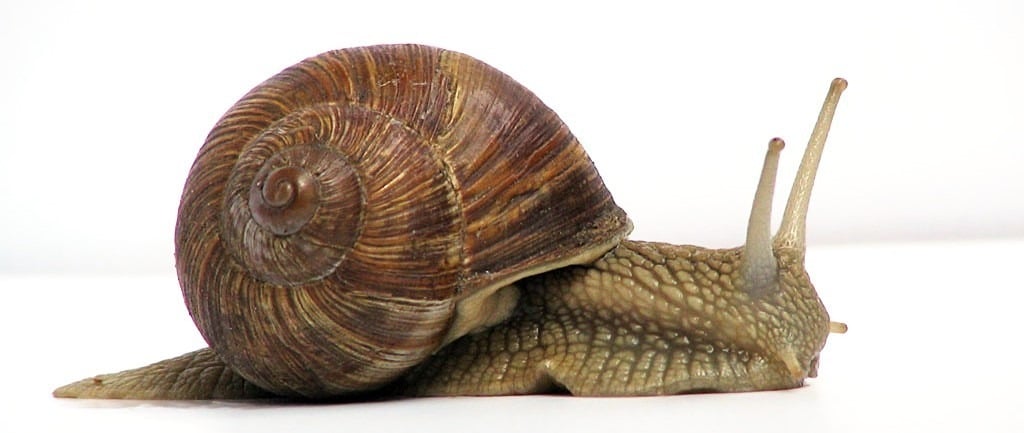
Snails are notorious for their voracious appetite and can cause significant damage to cannabis plants. These mollusks feed on the leaves, stems, and sometimes even the flowers, leaving behind large holes and slimy trails that can lead to plant stress and reduced yields. The damage is particularly severe on young plants, which can be completely stripped of their foliage, stunting their growth or even killing them.
Why Snails Are Attracted to Cannabis
Cannabis plants, with their tender leaves and high moisture content, are particularly appealing to snails. Additionally, the dense foliage provides a moist and shaded environment, ideal for snails to thrive. Understanding these preferences can help in devising strategies to deter them.
The Two Best Methods to Keep Snails Away
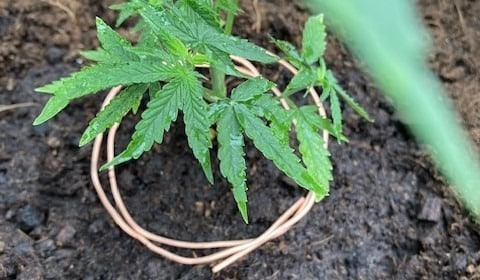
1. Using Copper Wire Circles
Copper has long been recognized as an effective snail deterrent. When snails come into contact with copper, a reaction between the metal and the mucus they produce creates a small electric shock, which repels them.
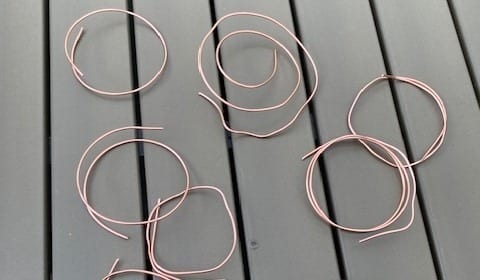
How to Use Copper Wire Circles
- Materials Needed: Copper wire (gauge 14-18 is ideal) and wire cutters.
- Step-by-Step Instructions:
- Measure and Cut: Measure the circumference of your cannabis plants’ base and cut the copper wire to the appropriate length, ensuring it will form a complete circle around the plant.
- Form the Circle: Shape the wire into a circle and place it on the ground around the base of the plant. Make sure the circle is continuous and there are no gaps where snails can slip through.
- Secure the Wire: Press the wire slightly into the soil to keep it in place, ensuring it remains in contact with the ground.
- Maintenance: Regularly check the wire to ensure it hasn’t been displaced and is free from soil and debris that could interrupt its effectiveness.
Advantages of Copper Wire
- Long-Lasting: Unlike chemical treatments, copper wire doesn’t degrade quickly and can provide a long-term solution.
- Environmentally Friendly: It doesn’t involve harmful chemicals, making it safe for the environment and other beneficial garden creatures.
- Cost-Effective: Once purchased, copper wire can be reused season after season with minimal maintenance.
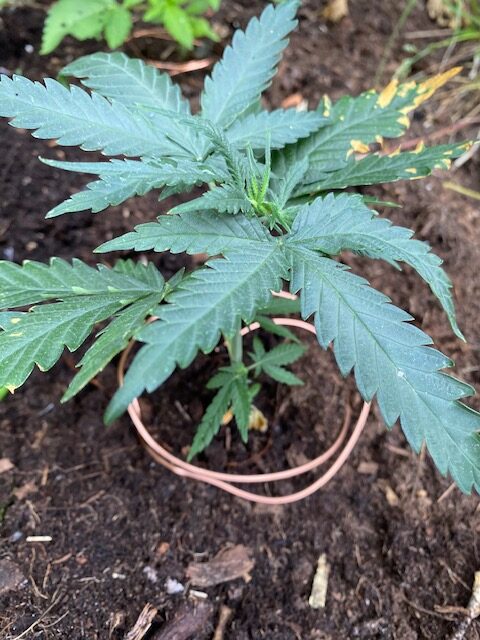
2. Using Pots with Outward-Folded Rims
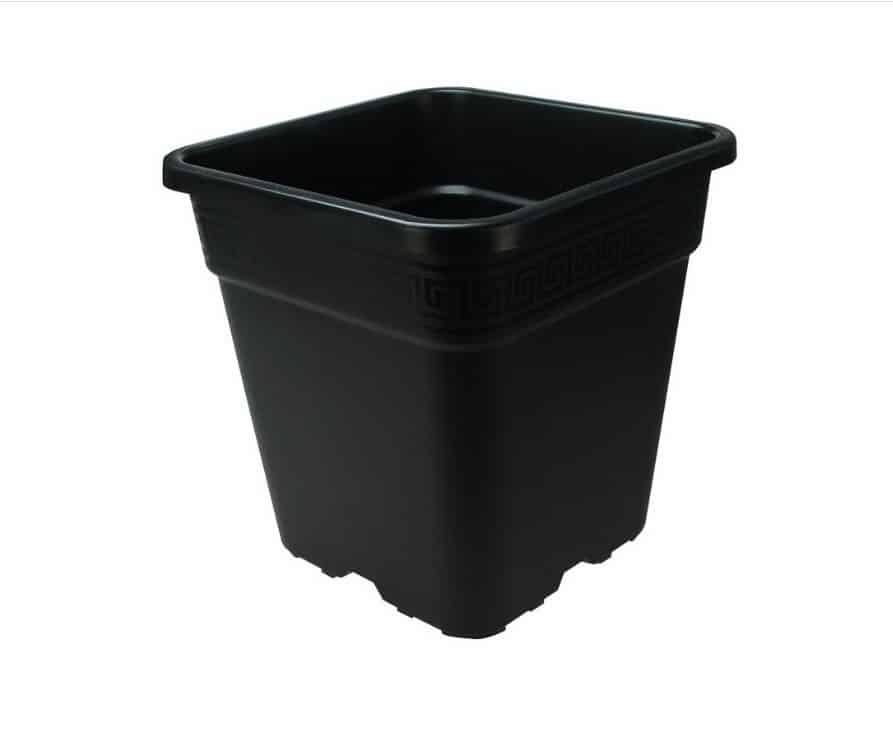
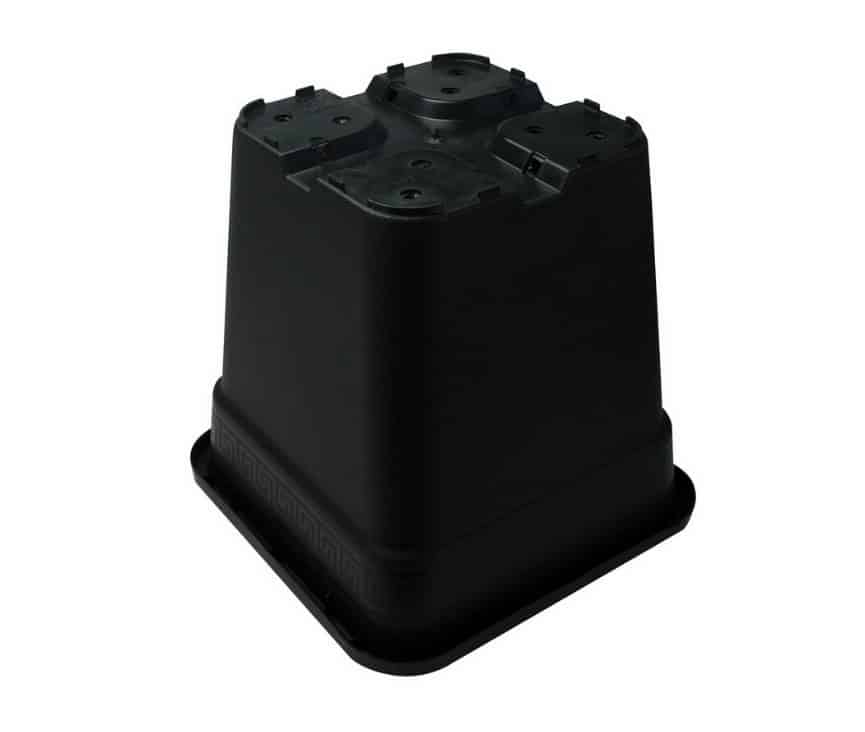
Another effective strategy involves selecting the right type of pots. Pots with outward-folded rims create a physical barrier that snails find difficult to navigate.
How to Choose the Right Pot
- Material: Pots made of sturdy materials like ceramic, plastic, or metal are preferable.
- Design: Look for pots specifically designed with an outward-folded rim. This design feature creates an overhang that prevents snails from crawling over the edge and into the pot.
How to Use These Pots
- Planting: When transplanting your cannabis seedlings, place them in these specially designed pots.
- Placement: Ensure the pots are placed in a location that allows for good drainage and isn’t prone to excessive moisture, which attracts snails.
- Regular Inspection: Regularly inspect the pots to ensure the rims are intact and free from debris that could provide a bridge for snails.
Advantages of Outward-Folded Rim Pots
- Physical Barrier: Provides an effective physical barrier that doesn’t rely on chemicals or frequent reapplication.
- Reusability: These pots can be used year after year, making them a cost-effective solution.
- Mobility: Pots allow for easy relocation of plants if snails become particularly problematic in a certain area of the garden.
Additional Strategies to Protect Your Cannabis Plants
While copper wire circles and outward-folded rim pots are highly effective, combining these methods with additional strategies can provide even greater protection.
1. Protecting Cannabis from Snails: Regular Handpicking
Regularly inspecting your plants and manually removing snails can be an effective control method, especially in smaller gardens.
- Timing: Snails are most active during the evening and early morning when it’s cool and damp. Use a flashlight to spot them during these times.
- Disposal: Collect the snails in a container and relocate them far from your garden or dispose of them in a way that ensures they won’t return.
2. Protecting Cannabis from Snails: Natural Predators
Encouraging natural predators in your garden can help keep snail populations in check.
- Birds: Attract birds by providing bird feeders and birdbaths. Birds like thrushes and blackbirds are natural predators of snails.
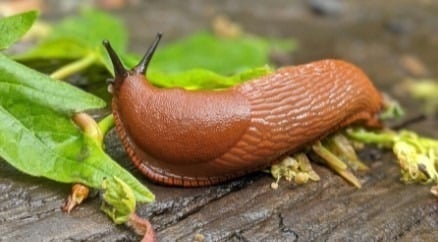
- Phasma: is the natural enemy of several species of slugs such as the red road snail, spotted field snail, Spanish earth snail and amber snails.
3. Protecting Cannabis from Snails: Barrier Methods
Other barrier methods can complement the use of copper wire and specially designed pots.
- Diatomaceous Earth: Sprinkle a ring of diatomaceous earth around your plants. This abrasive substance damages snails’ soft bodies, deterring them from crossing it.
- Eggshells and Sand: Crushed eggshells or sand can create a rough surface that snails find difficult to traverse.
4. Protecting Cannabis from Snails: Environmental Management
Creating an environment that is less attractive to snails can also be effective.
- Reduce Moisture: Avoid overwatering and ensure good drainage to keep the soil around your plants dry.
- Remove Hiding Places: Clear away debris, such as leaves and mulch, where snails can hide during the day.
5. Organic and Chemical Controls
If other methods aren’t sufficient, organic and chemical controls can provide additional protection.
- Organic Pellets: Use organic snail pellets that are safe for pets and wildlife. These pellets contain iron phosphate, which is effective in controlling snails.
- Chemical Controls: Chemical snail baits are available but should be used sparingly and with caution, as they can harm other wildlife and beneficial insects.
Implementing an Integrated Pest Management (IPM) Approach
For the best results, consider implementing an Integrated Pest Management (IPM) approach. This strategy combines multiple methods to manage pests in an environmentally and economically sustainable way.
Protecting Cannabis from Snails: Steps to Implement IPM for Snail Control
- Monitoring and Identification: Regularly inspect your plants and identify the presence and extent of snail damage.
- Prevention: Use copper wire circles and outward-folded rim pots as preventive measures.
- Cultural Controls: Implement environmental management strategies to make your garden less attractive to snails.
- Biological Controls: Encourage natural predators to help control snail populations.
- Mechanical Controls: Use barriers and handpicking to physically remove snails.
- Chemical Controls: As a last resort, use organic or chemical controls to reduce severe infestations.
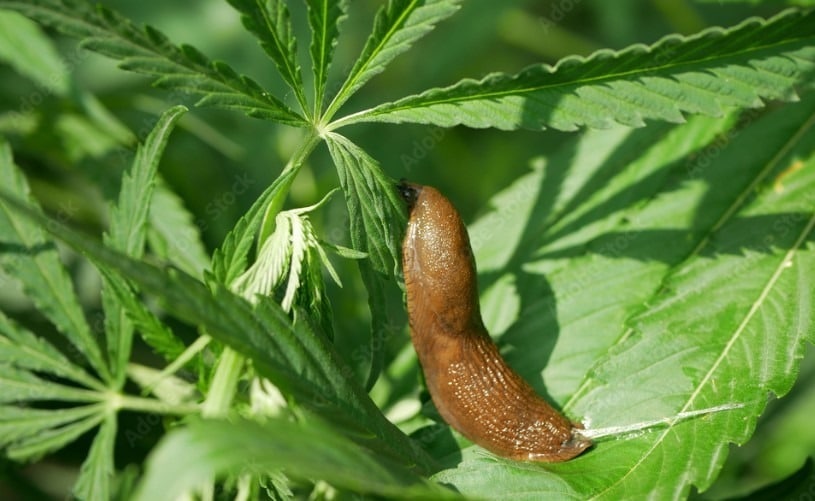
Conclusion Protecting Cannabis from Snails
Protecting your cannabis plants from snails is crucial for a successful harvest. By understanding the threat these pests pose and implementing a combination of effective strategies, you can safeguard your plants and ensure they thrive. Using copper wire circles and pots with outward-folded rims provides a solid foundation for snail control, and when combined with other methods like handpicking, encouraging natural predators, and environmental management, you can create a comprehensive defense system. With diligence and a proactive approach, you can keep your cannabis garden healthy and productive, free from the destructive impact of snails.









You must be logged in to post a comment.