


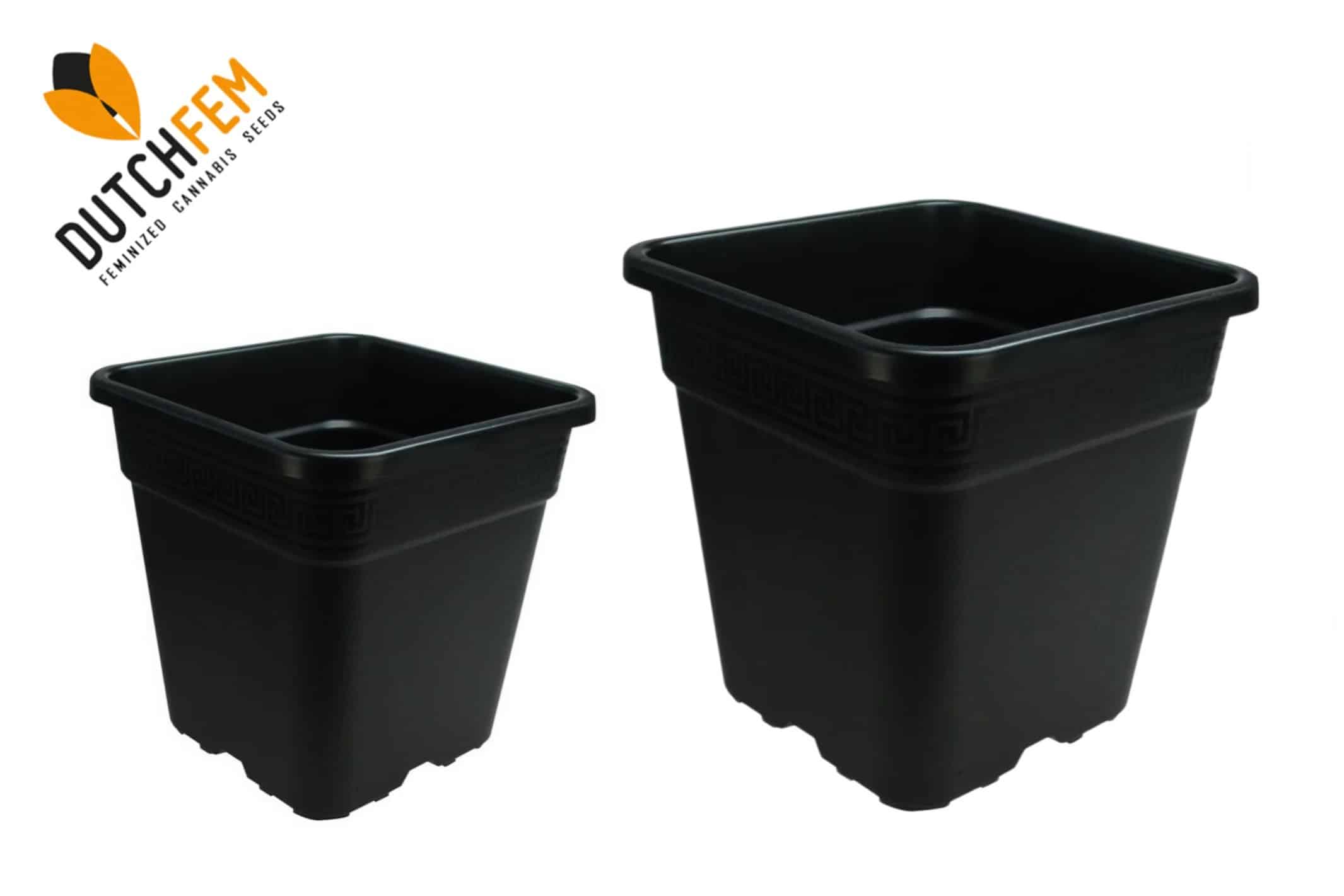
What are the Best Pots to Grow Cannabis?
What are the best pots to grow cannabis? Growing cannabis is an art and science that involves much more than just planting a seed and waiting for the harvest. One of the most crucial decisions a grower has to make is choosing the right pot. This choice can have a significant impact on the health and eventual yield of the plant. In this blog, we take an in-depth look at the different types of pots available for growing weed, their advantages and disadvantages, and how best to use them to achieve optimal results.
The Importance of the Right Pot
The pot you grow your cannabis in plays a vital role in the plant’s development. The roots need space to grow, oxygen to breathe and water to absorb. A poor choice can lead to problems such as root rot, limited growth and ultimately a disappointing harvest. Therefore, choosing the right pot is a crucial step in growing weed.
Types of Pots
There are different types of pots available for growing weed, each with its own advantages and disadvantages. Below, we discuss the most popular options.
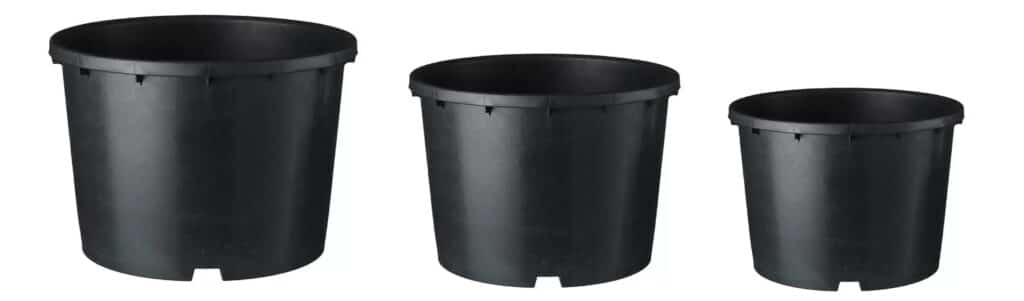
What are the best pots to grow cannabis? 1. Plastic Pots
Advantages:
- Have an outward facing pot rim: This makes them suitable for outdoor cultivation as slugs and snails cannot climb into the pot to damage da plants or eat them completely.
- Affordability: Plastic pots are cheap and easy to obtain.
- Lightweight: They are easy to move, even when filled with soil.
- Durable: They can withstand several growing cycles without breaking.
Disadvantages:
- Poor Drainage: Plastic pots often have limited drainage options, which can lead to waterlogging and root rot.
- Poor Aeration: They offer less aeration to the roots compared to other materials.
Tips for Use: To avoid drainage problems, you can drill extra holes in the bottom of the pot and add a layer of gravel or perlite to the bottom to improve drainage.
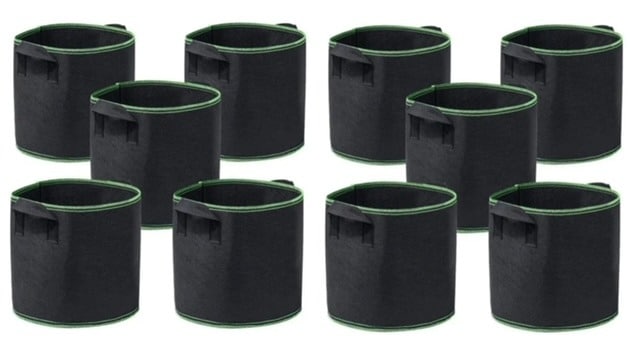
What are the best pots to grow cannabis? 2. Fabric Pots (Not So) Smart Pots
Advantages:
- Excellent Aeration: Fabric pots offer excellent aeration, which promotes root health (when pots are dry).
- Temperature control: The breathable fabric helps keep roots cool in hot conditions.
Disadvantages:
- Lack of outward-facing pot rim: This makes this pot unsuitable for outdoor cultivation as snails can easily climb into this pot and damage or even eat the plants completely.
- Susceptible to Mould: Wet fabric goes mouldy easily and can damage the roots and infect the plant with mould.
- Rapid Evaporation: Water evaporates more quickly from fabric pots, requiring more frequent watering.
- More expensive: They tend to be more expensive than plastic pots.
Tips for Use: read all the disadvantages of this pot at the bottom of this article and then seriously reconsider its use. There are much better and cheaper options available!
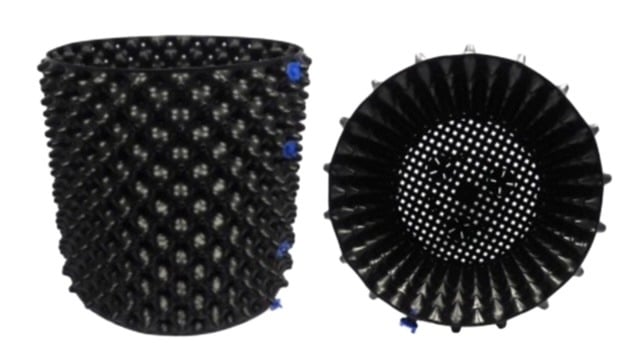
What are the best pots to grow cannabis? 3. Air pots
Advantages:
- Healthy Root Structure: They promote a strong, fibrous root structure by air pruning the roots.
- Prevention of Circling Roots: Air pruning prevents circling roots, resulting in healthier plants.
Disadvantages:
- Higher Price tag: Air pruning pots are more expensive than standard plastic pots.
- Frequent Watering: They require more frequent watering as they dry out faster.
Tips for Use: Air prune pots should be checked more frequently for moisture levels to prevent roots from drying out. Use a proper watering system to ensure consistency.
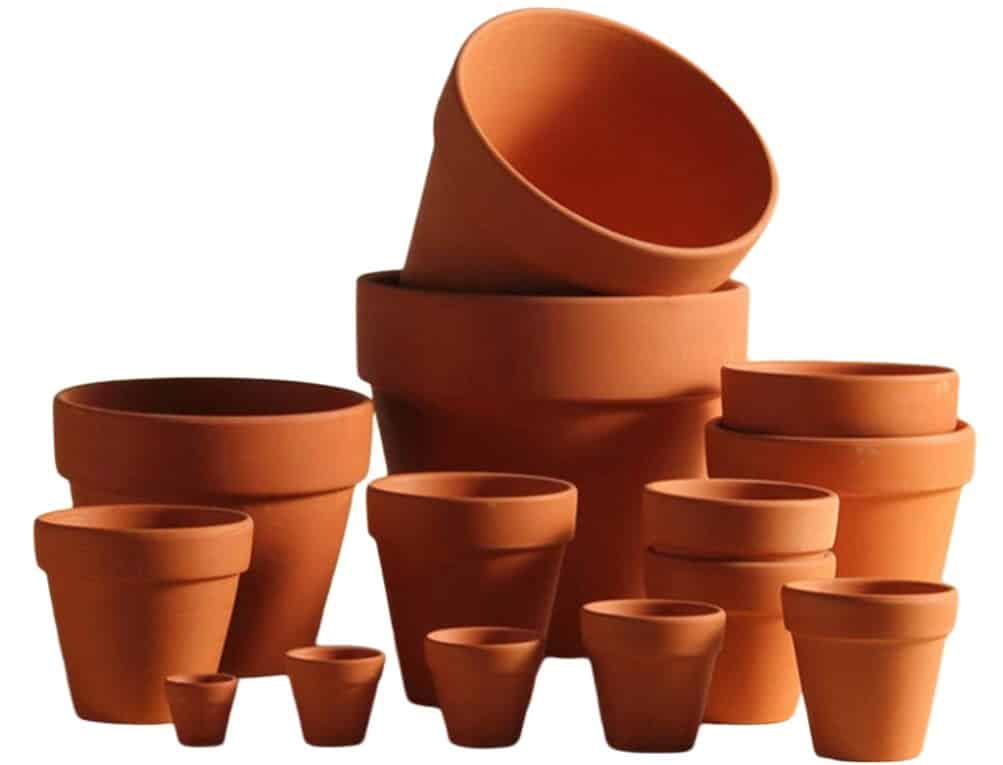
What are the best pots to grow cannabis? 4. Clay Pots (Terracotta)
Advantages:
- Good Porosity: Clay pots are porous, which ensures good aeration and drainage.
- Aesthetic Value: They are visually appealing and give a natural look to the growing space.
Disadvantages:
- Heavy: Clay pots are heavy, especially when filled with soil, making relocation difficult.
- Fragile: They can break easily if dropped or mishandled.
Tips for Use: Clay pots are ideal for outdoor growers or for growers who do not plan to move the pots often. Make sure they are on a stable surface to avoid breakage.
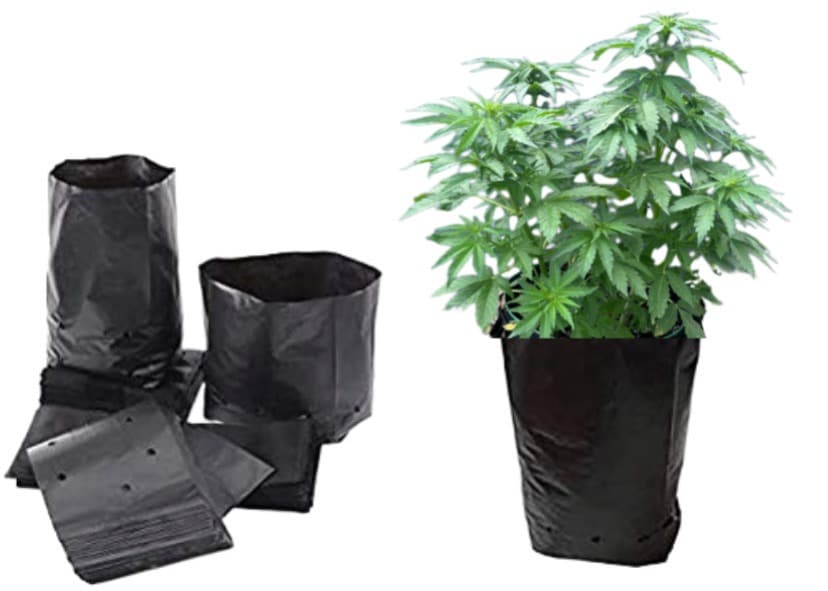
What are the best pots to grow cannabis? 5. Grow Bags
Advantages:
- Flexibility: They are easy to adapt to different spaces and shapes.
- Cost-saving: They are usually cheaper than traditional pots.
- Lightweight and Mobile: They are lightweight and easy to move around.
Disadvantages:
- Limited Durability: They are less durable and can crack or leak over time.
- Drainage Problems: As with plastic pots, drainage problems can occur.
Tips for Use: Growingbags should be placed on a well-drained surface to allow excess water to drain away.
Pot size and Plant Development
The size of the pot you choose has a direct impact on the size and health of your cannabis plants. Here are some guidelines for choosing the right pot size:
Small Pots (up to 10 litres)
- Use: Suitable for seedlings and small plants.
- Advantages: Easy to move and manage.
- Disadvantages: Limited root space can limit growth and increase the need for frequent repotting.
Medium-sized Pots (10-20 litres)
- Use: Ideal for vegetative growth and smaller autoflowering varieties.
- Advantages: Provides enough space for healthy root development without being too large.
- Disadvantages: May require repotting to a larger pot during the flowering phase.
Large Pots (over 20 litres)
- Use: Suitable for mature plants and large photoperiodic species.
- Advantages: Maximises root space, resulting in larger and healthier plants.
- Disadvantages: More difficult to move and require more substrate and water management.
Substrate and Drainage
Besides choosing the pot, it is also important to pay attention to the substrate (soil) and drainage. A good substrate should provide the right balance between water retention and aeration.
Substrate options
- Potting soil: A good potting soil is essential for the health of your plants. Look for a mixture that is rich in organic matter and drains well.
- Coco Coir: Coconut fibre is a popular choice because of its excellent aeration and water retention properties.
- Hydroponic Substrates: For growers using hydroponic systems, substrates such as clay pebbles, rockwool or perlite are suitable.
Drainage enhancement
- Perlite: Adding perlite to your substrate can improve drainage and aeration.
- Gravel: A layer of gravel at the bottom of the pot can help drain away water and prevent root rot.
Water management and nutrition
One of the most important aspects of successful cannabis growing is proper water management and nutrition. The pot you choose affects how often you need to water and how nutrients are absorbed by the plant.
Water frequency
- Plastic Pots: Water less often because plastic pots hold water better.
- Fabric Pots: Water more often because water evaporates faster.
- Air pots: Check moisture levels regularly because they dry out faster.
Nutrients
- Organic Nutrition: For organic growers, it is important to choose a pot that promotes the absorption of organic nutrients.
- Synthetic Nutrition: For growers using synthetic nutrients, a well-draining pot is crucial to prevent salt build-up.
Outdoor vs. Indoor Growing
The choice of pot can also vary depending on whether you grow indoors or outdoors.
Indoor growing
- Space management: Indoor growers need to be mindful of limited space. Choose pots that suit your growing space and lighting.
- Climate control: Indoor growers have more control over the climate, making pots such as fabric pots and air pots ideal for promoting root health.
Outdoor Growing
- Weather resistance: Outdoor pots should be able to withstand different weather conditions. Clay pots, for example, may be more resistant to heat.
- Mobility: Consider pot mobility for moving to sunny or sheltered areas.
What are the best pots to grow cannabis? Conclusion:
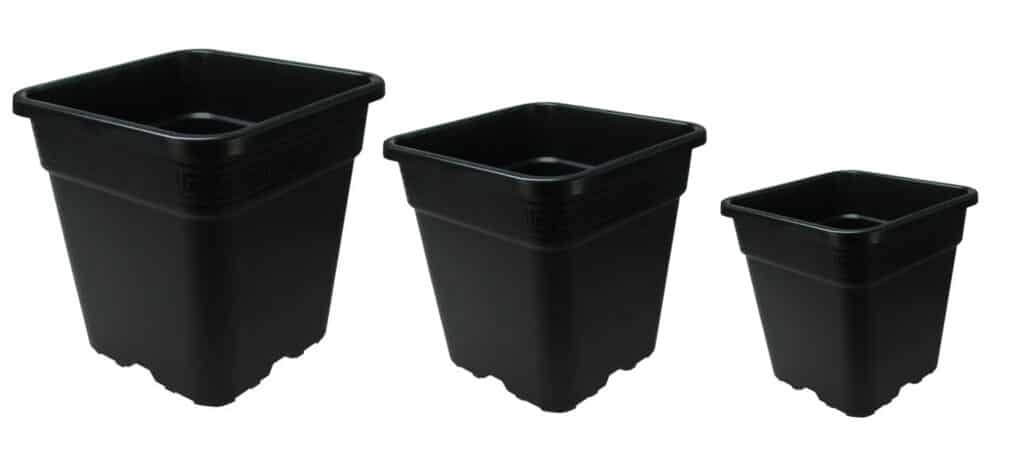
We recommend using square plastic plant pots with outward curling pot rims for several reasons:
- Space efficiency: Square pots use the available space better than round pots, both in grow racks and in growing rooms. This means you can grow more plants in a smaller space.
- Stability: The outward curling pot edge strengthens the pot and provides extra stability, making it less likely to topple over, especially for taller plants or outdoor use where wind can be a factor.
- Drainage and aeration: Many square pots have a more efficient drainage system with openings at the bottom and sometimes even at the sides. This promotes better water drainage and air circulation around the roots, which is important for healthy plant growth.
- Protection and ease of carrying: The outward curving rim protects your plants from dangerous intruders such as snails and can also serve as a handle, making it easier to move the pots, especially when they are full of soil and plants.
- Material and durability: Plastic plant pots are usually lightweight, durable and resistant to weather conditions, making them ideal for both indoor and outdoor use. Moreover, they are often reusable and recyclable.
- Cost-effectiveness: Plastic pots are usually cheaper than pots made of other materials such as ceramic or terracotta. This makes them a cost-effective choice for gardeners and growers who need large numbers of pots.
- Uniformity and aesthetics: Square pots create a neat and organised look in nurseries and gardens, which can be visually appealing and make maintenance easier.
Because of these advantages, square plastic plant pots with outward curling pot rim make growing plants more efficient, easier and cost-effective.
We do NOT recommend using fabric pots for several reasons:
- Lack of outward curling rim: Fabric pots usually do not have an outward curling rim, which makes it easy for snails and other unwanted animals to crawl into the pot and damage the plants.
- High cost: Fabric pots are often more expensive compared to plastic pots. This makes them less cost-effective, especially when you need large numbers of pots for your garden or nursery.
- Water-permeable properties: While the water-permeable properties of fabric pots are sometimes seen as an advantage, they can also be problematic. They dry out faster, which means plants need watering more often. This can be especially challenging in hot climates.
- Difficult to reuse: Fabric pots are often difficult to reuse. Plant roots can grow through the material, making it difficult to reuse the pot without damaging it.
- Difficult to clean: Cleaning fabric pots is more complicated than cleaning plastic pots. Soil, roots and other materials can get stuck in the fabric of the pot, making thorough cleaning difficult.
- Susceptible to Mould: Wet fabric goes mouldy easily and can damage the roots and infect the plant with mould.
- Difficult to repot: With these pots, it is much more difficult to repot your plants from small pots to larger ones.
- Shorter lifespan: Fabric pots usually have a shorter lifespan than plastic pots. They are prone to wear, cracking and decay from exposure to sunlight and moisture, meaning they need to be replaced more often.
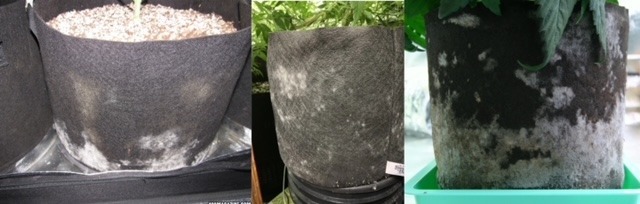
For these reasons, fabric pots are less practical and less cost-effective for many gardeners and growers. In contrast, using square plastic pots with outward curling rims offers numerous advantages, including stability, reusability, easy maintenance and better protection against pests such as snails.
Maximizing Autoflower Success: Choosing the Ideal Container Size
Best Soil for Cultivating Autoflowering Cannabis Seeds
Cultivating Healthy Cannabis Roots
Recognizing and Preventing Mold on Cannabis








You must be logged in to post a comment.