


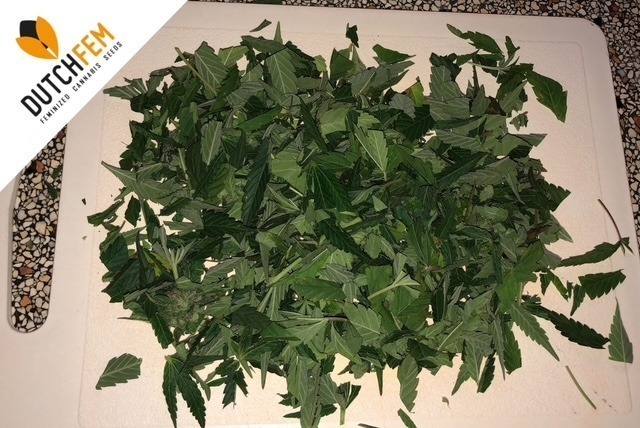
ming What can you make from the trimming waste of cannabis plants
The trimming waste of cannabis plants, also known as ‘trim’ or cutting waste, can be used in several useful ways. Even if you only have a small amount of cutting waste from 1 or 2 plants, it is already worth making something from it. This trim often consists of small leaves, pieces of stem, and sometimes small buds that are not big enough to be considered full-fledged buds. Here are some popular ways to use it:
- THC and/or CBD Oil
- Cannabis butter or oil
- Hash and kief
- Extractions (concentrates)
- Teas
- Topicals and creams
- Composting
- What NOT to do with it: Smoke it Up!
In this blog, we give a brief explanation of what you can make from your trimming waste of cannabis. If you want to know exactly how to make all that, you can read it in the blogs we have written on those subjects before. Click on the orange links to get to those blogs. Have fun reading but most of all have fun processing your cutting waste.
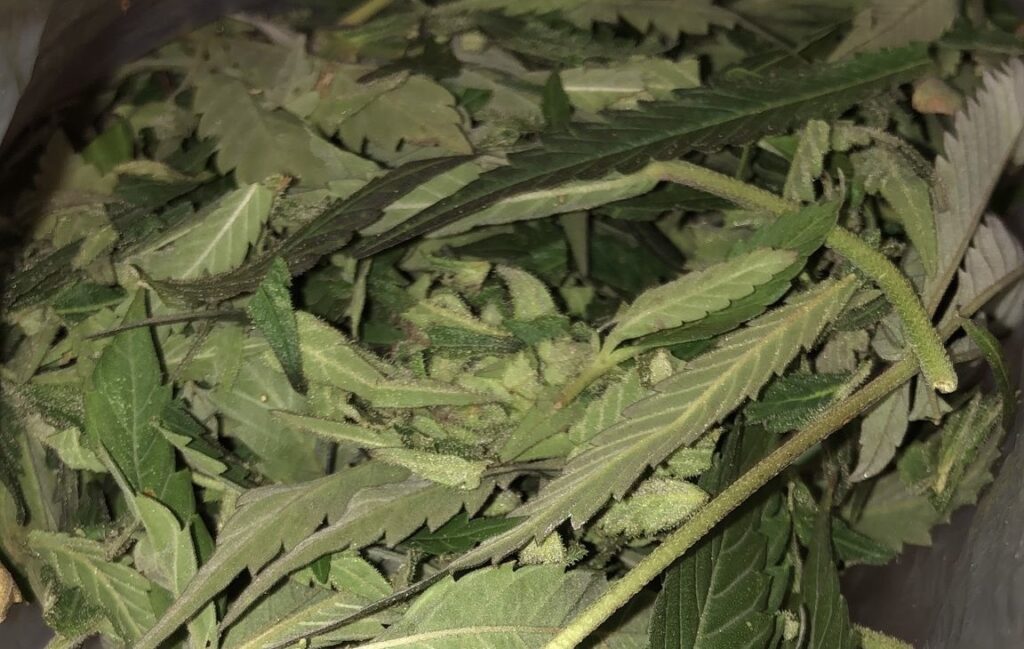
Part 1: THC and CBD Oil
Cannabis cultivation often results in leftover plant material known as “trim” or cutting waste, which includes the small leaves, stems, and sometimes even small buds that aren’t suitable as full cannabis flowers. While often overlooked, trim is far from useless; it still contains valuable cannabinoids like THC and CBD, and can be used to make various cannabis-based products, including oils. Making THC and CBD oil from trim is one of the most popular ways to repurpose this waste. It’s cost-effective and allows cultivators to maximize the yield from their plants by extracting the beneficial compounds left in the trim.
Why Use Trim for Oil?
Trim doesn’t have the same cannabinoid concentration as buds, but it still holds enough THC and CBD to create effective oils. When properly prepared, oils from trim can be just as potent and beneficial as oils made from flower buds, though they may require more raw material to achieve similar potency. Using trim also allows you to reduce waste and get more out of each cannabis plant, which is especially appealing to small-scale cultivators or home growers.
Preparing Trim for Oil Extraction
To make THC or CBD oil from trim, start by drying and curing the trim in the same way you would prepare the flower. Once dried, the trim needs to be “decarboxylated” to activate the cannabinoids, which means heating it at a low temperature (around 220°F or 104°C) for approximately 30-45 minutes. This process converts THCA into psychoactive THC and CBDA into CBD, making the cannabinoids bioavailable for the body to absorb.
Extraction Methods for THC and CBD Oil
The method used for oil extraction will depend on what type of oil you want to produce (THC or CBD), the equipment available, and personal preference. Here are two common methods:
1. Infusion in a Carrier Oil
The simplest way to make THC or CBD oil from trim is by infusing it in a carrier oil like coconut oil or olive oil. This method doesn’t require special equipment and is ideal for making edible or topical oils.
- Steps:
- Combine the decarboxylated trim with your chosen carrier oil in a slow cooker or double boiler.
- Heat the mixture gently for a few hours, keeping the temperature low (between 160-200°F or 70-93°C) to prevent burning and degradation of cannabinoids.
- After simmering, strain the plant material from the oil using cheesecloth, leaving a rich, infused oil ready for use in edibles, topicals, or as a tincture.
2. Alcohol-Based Extraction
Another effective method for making potent THC or CBD oil is using high-proof alcohol to extract the cannabinoids, which is later evaporated, leaving behind a concentrated oil. This method creates a highly concentrated extract known as “Rick Simpson Oil” (RSO) or cannabis tincture, which can be diluted with a carrier oil if desired.
- Steps:
- Soak the decarboxylated trim in high-proof alcohol (like Everclear) for several hours, shaking occasionally to increase extraction.
- Filter the mixture through cheesecloth to remove plant material, then evaporate the alcohol by gently heating the liquid in a well-ventilated area or using a rice cooker.
- What remains is a thick, concentrated oil that can be consumed or used to create other cannabis products.
Benefits of Using Trim-Based Oils
THC and CBD oils made from trim can be used in various ways, from making edibles and topicals to taking sublingually as tinctures. They’re versatile, effective, and can serve as an affordable alternative to oils made solely from buds, providing a great option for anyone looking to reduce waste and make the most out of their cannabis cultivation.
Read more about making CBD Oil here: The Art and Science Behind CBD Oil Production
Part 2: Cannabis Butter or Oil
Using the cutting waste, or trim, from cannabis plants to make cannabis butter or oil is a fantastic way to maximize every bit of your harvest. Cannabis butter, often referred to as cannabutter, and cannabis-infused oils are popular ingredients in making edibles, as they allow for easy dosing and versatile use in recipes. These products capture the cannabinoids present in the trim, providing a psychoactive or therapeutic effect depending on the strain and its THC or CBD content.
Why Use Trim for Cannabis Butter or Oil?
Although cannabis buds hold the highest concentration of cannabinoids, trim still contains substantial amounts of THC, CBD, and other beneficial compounds. By infusing butter or oil with these compounds, you can create a potent edible ingredient without sacrificing your prized buds. Trim-based cannabutter and oils are excellent for home cooks and DIY enthusiasts looking to make cost-effective edibles that maintain the quality and effects of cannabis products made from flower. Additionally, since cannabinoids are fat-soluble, using butter or oil as a base allows for efficient absorption of these compounds into the bloodstream when ingested.
Preparing Trim for Cannabis Butter or Oil
Like with oils, trim needs to be decarboxylated before it’s infused. Decarboxylation is the process of heating the trim to activate its cannabinoids. Preheat your oven to around 220°F (104°C), spread the trim evenly on a baking sheet, and bake for 30-45 minutes. Once decarboxylated, the trim is ready to be used in cannabutter or oil.
Methods for Making Cannabis Butter or Oil
There are a few simple ways to infuse butter or oil with cannabis, depending on your preferred kitchen setup and the tools you have available. Here are two of the most popular methods:
- Stovetop Infusion
This is the most accessible method for making cannabutter or cannabis oil, requiring just a stove, a saucepan, and some cheesecloth or a strainer.
- Steps for Cannabutter:
- Combine the decarboxylated trim with butter in a saucepan at a low temperature, ideally no higher than 200°F (93°C), to prevent scorching and preserve cannabinoids.
- Add water to prevent the butter from burning and simmer the mixture for 2-4 hours, stirring occasionally.
- After cooking, strain the butter through cheesecloth to remove plant material, leaving behind a smooth, greenish butter that can be used directly in baking or cooking.
- Steps for Cannabis Oil:
- For an oil infusion, follow the same steps, substituting coconut, olive, or other oils as your base. Coconut oil is a popular choice due to its high fat content, which binds well with cannabinoids.
- Simmer the mixture for 2-4 hours and strain the plant material from the oil using cheesecloth.
- Slow Cooker Infusion
If you have a slow cooker, this method is low-effort and perfect for producing large batches.
- Steps:
- Place the decarboxylated trim and butter or oil in the slow cooker and set it on low.
- Cook the mixture for 4-8 hours, stirring occasionally. The slow cooker’s low heat reduces the risk of burning and allows for an even infusion.
- Strain the finished product through cheesecloth, allowing it to cool before storing it in an airtight container.
Storing and Using Cannabis Butter or Oil
Both cannabutter and cannabis oil should be stored in an airtight container, ideally in the refrigerator or a cool, dark place to prevent degradation. They can last for weeks in the fridge and even longer if frozen. Once ready, cannabutter or cannabis oil can be used in a variety of edible recipes, from classic brownies and cookies to sauces, salad dressings, or any recipe where you’d typically use butter or oil.
Using trim to make cannabis-infused butter or oil allows you to enjoy potent, high-quality edibles without breaking the bank or wasting plant material. It’s a rewarding process that lets you incorporate cannabis into your diet and make the most out of every harvest.
Read more about making cannabis butter: Crafting Perfect Cannabis-Infused Butter
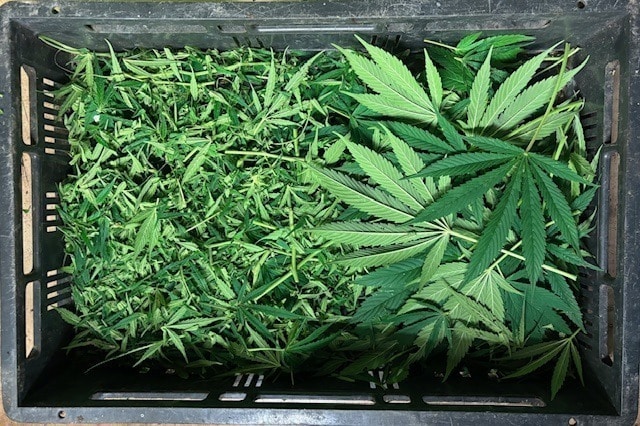
Part 3: Hash and Kief
Hash and kief are classic cannabis concentrates that can be easily made from the cutting waste, or trim, of cannabis plants. Both contain concentrated trichomes, the tiny resin glands on cannabis plants where cannabinoids and terpenes are stored. These trichomes often remain on trim even after the buds are harvested, making hash and kief an effective way to capture and use the leftover THC, CBD, and other cannabinoids. Producing hash or kief is a straightforward process that doesn’t require complex equipment, making it a popular choice among home growers.
What Are Hash and Kief?
Kief is the simplest form of cannabis concentrate and consists of the unpressed, powdery trichomes that can be collected from the trim. Hash is made by compressing and heating the kief, which causes the resin glands to combine into a denser, more solid form. Hash typically has a higher potency and longer shelf life than kief, thanks to the compressed structure that preserves cannabinoids and terpenes. Both kief and hash offer a potent, clean way to consume cannabis and can be smoked, vaporized, or used in edibles.
Collecting Kief from Trim
Collecting kief from trim involves separating the trichomes from the plant material. This can be done with a few simple techniques:
- Dry Sifting
Dry sifting is a straightforward way to collect kief using a fine-mesh screen (around 75-150 microns). This method works well for home growers because it only requires a screen and a flat surface.
- Steps:
- Dry and freeze the trim to make the trichomes more brittle and easier to separate.
- Spread the frozen trim over a fine-mesh screen placed over a clean surface, like a glass tray.
- Gently rub the trim over the screen, allowing the trichomes to fall through the mesh onto the tray below. Repeat this process until you’ve collected a layer of fine kief.
This dry sifting method is one of the least intensive ways to collect kief, though it may yield a lower volume of kief than other methods.
- Mechanical Tumbling
Tumbling the trimming waste in a specialized “kief tumbler” or pollen sifter is an efficient way to separate a larger amount of kief. This tool has a built-in rotating screen that sifts trichomes as the trim is tumbled.
- Steps:
- Place your dried and frozen trim in the tumbler and allow it to run for 15-30 minutes.
- Collect the kief that falls through the screen, which should be cleaner and more concentrated.
Making Hash from Kief
Once you’ve collected kief, transforming it into hash requires just a few additional steps. There are different ways to make hash from kief, depending on the texture and consistency you want.
- Heat and Pressure
The most straightforward way to make hash is to apply heat and pressure to kief, which causes the resin to soften and stick together.
- Steps:
- Place the kief in parchment paper and fold it into a small packet.
- Press the packet with a hot tool, like a hair straightener on a low setting, or by using your hands to apply pressure. Be cautious with heat to avoid degrading cannabinoids.
- After a few minutes of pressing, the kief should clump into a solid piece of hash.
- Ice Water Hash (Bubble Hash)
For a cleaner, solvent-free hash, ice water extraction is an effective method. This method involves using cold water and agitation to separate trichomes from the plant material.
- Steps:
- Place your frozen trim in a bucket of ice water, stirring and agitating to break off trichomes.
- Filter the mixture through a series of bubble bags (fine mesh bags with different micron levels) to catch the trichomes in the last bag.
- Dry the collected material thoroughly to avoid mold or contamination.
Using Hash and Kief
Both hash and kief are versatile and potent. They can be sprinkled on top of flower in a joint, bowl, or vaporizer, or used in edibles. Many people prefer the rich, concentrated effects of hash and kief, as they deliver a high cannabinoid content without the need for solvents or extensive processing. Repurposing trim into hash and kief is an efficient, low-cost way to capture the plant’s full potential, allowing growers to enjoy the benefits of their plants long after the buds have been harvested.
read more about how to make Ice hasj: Guide to Making Ice Hash (Ice-O-Lator)
Part 4: Extractions (Concentrates)
Cannabis concentrates made from trimming waste are a powerful way to capture and enhance the cannabinoids and terpenes left behind after harvesting the buds. Concentrates can come in various forms, including shatter, wax, rosin, and distillates, each offering a different texture, potency, and method of use. Creating concentrates requires specific equipment and techniques, but for cannabis enthusiasts looking to maximize their harvest, it’s an effective way to use every part of the plant.
Why Make Concentrates from Trim?
Cannabis trim still contains a substantial number of trichomes, where the majority of cannabinoids (like THC and CBD) and terpenes are stored. Making concentrates from trim lets you capture these compounds in a highly potent form, ideal for those looking for intense effects or specific therapeutic benefits. Concentrates from trim are also versatile, allowing them to be used in vaping, dabbing, cooking, or even as additives to enhance flower potency in joints or bowls.
Common Methods for Extracting Concentrates from Trimming waste
Different methods are used to create concentrates, depending on the equipment available and the desired outcome. Here are some of the most popular extraction methods for turning trim into potent cannabis concentrates:
-
Rosin Press Extraction
Rosin extraction is a solvent-free method that uses heat and pressure to squeeze cannabinoids and terpenes from cannabis trim. The resulting concentrate, called rosin, is sticky and golden, with a high cannabinoid content.
- Steps:
- Prepare the trim by drying and flattening it.
- Place it between two layers of parchment paper and press it in a rosin press or with a hair straightener set to a low heat.
- Apply firm pressure for a few seconds until the rosin begins to ooze out. Scrape the rosin off the parchment paper and collect it for storage.
Rosin is ready to use immediately after extraction and is a safe, chemical-free way to produce a clean concentrate with minimal equipment.
-
Butane Hash Oil (BHO) Extraction
Butane Hash Oil, or BHO, is one of the more popular methods of concentrate extraction for its high potency and ability to create various textures like shatter, wax, and crumble. However, BHO extraction should only be performed by experienced users in a safe, well-ventilated environment, as it involves the use of butane, a highly flammable solvent.
- Steps:
- The trim is packed into a tube, and butane is passed through it, dissolving the trichomes and capturing the cannabinoids and terpenes.
- The butane-oil solution is then purged to remove residual solvent, often using a vacuum oven, leaving a clean, potent extract.
BHO offers a strong and flavorful concentrate but requires careful handling due to the use of volatile chemicals.
- Ethanol Extraction
Ethanol extraction is another solvent-based method, but it’s generally safer than butane. The ethanol captures cannabinoids and terpenes effectively, resulting in an extract often used to make tinctures or vape cartridges.
- Steps:
- The trim is soaked in high-proof ethanol, which dissolves the cannabinoids.
- The mixture is filtered and the ethanol is evaporated off, leaving a concentrate. A vacuum oven can help remove residual ethanol for a clean, consumable product.
Extraction with ethanol is often favored for its safety and efficiency, and it’s possible to perform at home with the right equipment, though it requires careful handling.
Benefits and Uses of Concentrates Made from trimming waste
Concentrates made from trim are incredibly versatile. They can be vaporized, dabbed, or used as ingredients in edibles, and they deliver potent effects thanks to the high concentration of cannabinoids. Trim-derived concentrates are also economical, as they maximize every part of the plant while reducing waste. Since different concentrates provide varying effects and experiences, you can select a method and concentrate type that aligns with your preferred consumption style, from dabbing BHO for intense effects to using ethanol extracts in tinctures for medicinal benefits.
By converting cannabis trim into high-quality concentrates, cultivators can make the most of their plants and access potent cannabis products without breaking the bank.
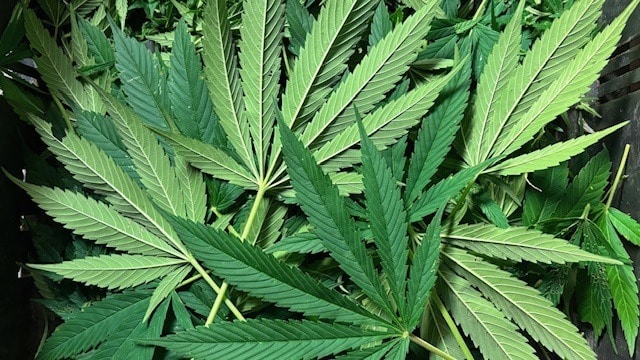
Part 5: Teas from trimming waste
Cannabis tea is a lesser-known but enjoyable way to use the trim, or cutting waste, from cannabis plants. Though it’s not as concentrated as other forms of cannabis, tea made from trim still contains a variety of cannabinoids, terpenes, and other beneficial compounds, making it a gentle but effective way to enjoy the therapeutic properties of the plant. Cannabis tea can be brewed for both its medicinal benefits and its mild psychoactive effects, depending on the preparation method and whether it’s made with THC or CBD strains.
Why Make Tea from Trimming waste?
Trim doesn’t have the same potency as buds, but it still contains THC, CBD, and other cannabinoids that dissolve into the tea. The advantage of tea is that it offers a milder experience than smoking or consuming edibles, making it an ideal option for those seeking light relaxation or symptom relief. Drinking cannabis tea can provide anti-inflammatory, anti-anxiety, and pain-relief effects, depending on the strain and cannabinoid content. Additionally, making tea is easy, requires minimal equipment, and is a great way to use trim that might otherwise go to waste.
Preparing Trim for Tea
While you can steep cannabis trim directly in hot water, cannabinoids are not water-soluble, meaning they need a fat to bind with for maximum absorption. Adding a small amount of fat, such as milk, coconut oil, or butter, can help make the cannabinoids more bioavailable. However, if you prefer a non-fat option, you can still brew the tea, though the effects may be milder.
For a stronger tea, decarboxylate the trim before brewing. Decarboxylation is the process of heating the trim to activate cannabinoids, allowing you to enjoy THC or CBD effects in your tea. To do this, spread the trim on a baking sheet and bake at 220°F (104°C) for 30-45 minutes.
Brewing Cannabis Tea from trimming waste
Once decarboxylated, there are several methods for brewing cannabis tea. Here are two popular methods:
- Traditional Cannabis Tea with Milk or Oil
This method combines cannabis trim with milk or coconut oil to ensure maximum absorption of cannabinoids.
- Steps:
- Boil water in a pot and add a tablespoon of butter, coconut oil, or milk.
- Add 1-2 teaspoons of decarboxylated trim for each cup of tea and simmer gently for 15-20 minutes.
- Strain the mixture through a fine mesh or cheesecloth to remove the plant material, and your cannabis tea is ready. Sweeten with honey or add spices like ginger or cinnamon for flavor.
This method produces a relaxing tea with mild psychoactive effects if made with THC trim. If made with CBD trim, the tea will provide calming, non-psychoactive effects.
- Cannabis and Herbal Blend Tea
For a less potent tea, blend cannabis trim with other herbs such as chamomile, peppermint, or ginger. This method is ideal if you want to enjoy the potential medicinal benefits of cannabis without added fats or intense psychoactive effects.
- Steps:
- Add your favorite herbal tea blend and 1-2 teaspoons of cannabis trim to a teapot.
- Pour hot water over the blend and let steep for 5-10 minutes.
- Strain and sweeten as desired.
Herbal blends can mask the earthy flavor of cannabis and make for a soothing, aromatic tea with subtle relaxation benefits.
Benefits of Cannabis Tea
Cannabis tea made from trim is a gentle way to enjoy the plant’s therapeutic properties, especially for those who prefer not to smoke or consume edibles. Tea can provide relief from pain, anxiety, inflammation, and digestive discomfort. The effects of cannabis tea are often milder and take longer to set in than smoked or vaporized cannabis, typically appearing within 30-60 minutes and lasting a few hours.
Cannabis tea is a great option for people who want to use trim without extracting potent cannabinoids through more complex methods. By making tea, you can enjoy a subtle, relaxing experience and gain medicinal benefits from leftover trim, all while embracing a natural, sustainable approach to cannabis use.
Part 6: Topicals and Creams
Using cannabis trim to create topicals and creams is an effective way to harness the therapeutic properties of cannabinoids for targeted, non-psychoactive relief. Topicals made from trim can be used to alleviate localized pain, inflammation, and skin conditions without the high associated with THC consumption. Because cannabinoids like CBD and THC interact with the skin’s endocannabinoid receptors, these compounds can offer therapeutic effects when applied topically, even without entering the bloodstream.
Why Use Trimming waste for Topicals?
Cannabis trim still contains a notable amount of cannabinoids, terpenes, and other beneficial compounds found in trichomes, making it a valuable ingredient for skincare and pain relief products. Using trim in topicals provides a sustainable, cost-effective way to make the most out of your cannabis plants while enjoying the therapeutic benefits of cannabinoids. The effects of cannabis topicals are generally localized and non-psychoactive, making them ideal for people looking for relief without the high.
Preparing Trim for Topical Use
As with other cannabis products, trim should be decarboxylated before making topicals to activate the cannabinoids. Decarboxylation involves heating the trim to convert CBDA to CBD and THCA to THC, ensuring that these compounds can interact effectively with the skin’s receptors.
To decarboxylate trim for topicals, spread it on a baking sheet and bake at around 220°F (104°C) for 30-45 minutes. Once decarboxylated, the trim is ready to be infused into a carrier oil, which will serve as the base for your topical cream or balm.
Making Cannabis-Infused Oil for Topicals
The first step in creating cannabis topicals is to make a cannabis-infused oil, which can be used as-is or blended with other ingredients to create a cream or salve.
- Steps for Infused Oil:
- Combine decarboxylated trim with a carrier oil, such as coconut oil, olive oil, or jojoba oil, in a slow cooker or double boiler.
- Heat the mixture gently at a low temperature (160-200°F or 70-93°C) for 2-4 hours, stirring occasionally to infuse the cannabinoids into the oil.
- Strain the oil through cheesecloth or a fine strainer to remove plant material, leaving you with a cannabis-infused oil ready for use in topicals.
Creating Cannabis Creams and Balms
Once you have cannabis-infused oil, it can be blended with beeswax, shea butter, or essential oils to create a soothing balm or cream. These ingredients not only provide texture but also add moisturizing and skin-soothing properties.
- Steps for a Simple Cannabis Balm:
- In a double boiler, combine 1 part cannabis-infused oil with 1 part beeswax or shea butter. Melt the ingredients together until fully combined.
- For added benefits, mix in a few drops of essential oils like lavender (for relaxation), peppermint (for cooling relief), or eucalyptus (for anti-inflammatory effects).
- Pour the mixture into containers or tins and allow it to cool and solidify. Once set, your cannabis balm is ready to use.
Benefits of Cannabis Topicals Made from Trimming waste
Topicals provide localized relief for a range of issues, including joint pain, muscle soreness, and inflammatory skin conditions like eczema and psoriasis. CBD-rich strains are especially popular for topicals due to their anti-inflammatory properties, while THC can provide pain relief. Because the cannabinoids in topicals are not absorbed into the bloodstream, they are non-psychoactive and suitable for use throughout the day.
Cannabis topicals are a great addition to self-care routines, providing the benefits of cannabinoids without the need for ingestion or inhalation. By repurposing trim to create these therapeutic products, growers can enjoy a versatile and sustainable way to get the most from every harvest.
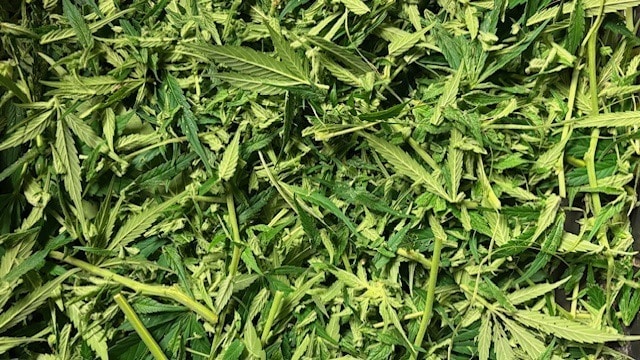
Part 7: Composting trimming waste
Composting cannabis trim, or the waste material from cannabis plants, is a natural, eco-friendly way to return valuable nutrients to the soil. Instead of discarding the cuttings, composting turns this organic waste into a rich, nutrient-dense fertilizer that can enhance the growth of future plants. Cannabis compost enriches the soil with essential nutrients, improves soil structure, and promotes beneficial microbial activity—all while reducing the environmental impact associated with plant waste.
Why Compost Cannabis Trim?
Cannabis trim is full of beneficial nutrients and organic matter that can be broken down to nourish soil and promote healthy plant growth. When added to compost, cannabis leaves, stalks, and other plant material decompose into humus, a nutrient-dense substance that improves soil quality, retains moisture, and supports plant root systems. Using compost also helps reduce reliance on synthetic fertilizers, which can deplete the soil over time. Additionally, composting helps keep plant waste out of landfills, reducing the environmental footprint of cannabis cultivation.
How to Compost Cannabis Trimming waste
Composting cannabis trim involves mixing it with other organic materials in the right proportions. The decomposition process relies on a balance between green materials (rich in nitrogen) and brown materials (rich in carbon). Cannabis trim serves as a nitrogen source and should be balanced with carbon-rich materials like dry leaves, straw, or cardboard.
Steps to Compost Cannabis Trimming waste:
- Set Up a Compost Bin
Choose an outdoor compost bin or designated compost area with good airflow. If space is limited, a smaller compost tumbler or worm composting bin can work for cannabis trim. - Balance Green and Brown Materials
Start by adding your cannabis trim to the compost bin. To balance the nitrogen content, add twice as much brown material, like dried leaves, shredded newspaper, or wood chips. This combination helps maintain the ideal carbon-to-nitrogen ratio (around 30:1), which speeds up decomposition. - Layer and Aerate
Layer the green and brown materials, and add a bit of soil or compost starter to introduce beneficial microorganisms. Turn the compost pile every couple of weeks to aerate it, which helps to speed up decomposition and reduces odor. Good aeration and moisture balance are key to successful composting. - Monitor and Maintain
Compost should feel like a damp sponge—moist but not soggy. If it dries out, add a little water, and if it becomes too wet, add more brown material. Over time, the compost pile will heat up as microbes break down the organic material, signaling active decomposition. - Harvest the Compost
After a few months, depending on temperature and aeration, the compost will break down into a dark, crumbly, soil-like substance. This finished compost can be added to garden beds, potted plants, or directly to the soil where cannabis or other crops are grown.
Benefits of Composting Cannabis Trimming waste
Composting cannabis trim provides a sustainable and efficient way to enrich your soil. Compost improves soil structure, making it more porous and better able to hold moisture, which reduces the need for frequent watering. The nutrients released during decomposition also feed the soil’s ecosystem, promoting healthy root development and resilience in plants.
Additionally, the microbial activity in compost naturally deters some pests and diseases, providing a form of biological pest control. If you’re growing cannabis, using compost created from previous plants’ waste establishes a self-sustaining cycle of growth, harvest, and soil enrichment.
Composting: An Eco-Friendly Solution for Cannabis Trimming Waste
By composting cannabis trim, you create a closed-loop system that reduces waste, enhances soil health, and benefits the environment. This method not only conserves valuable resources but also turns plant waste into a resource, making it a rewarding option for cannabis growers looking to reduce their environmental impact and support healthy plant growth.
What NOT to do with it: Smoke it Up!
Smoking cannabis trimming waste can indeed cause headaches, and there are several reasons why this happens:
- Lower THC concentration: Weed leaves generally contain much less THC (the active ingredient in cannabis that provides the ‘high’ effect) than the buds. When smoking leaves, you often ingest more burnt plant material without the desired effect, which can lead to headaches.
- More tar and harmful substances: Leaves often contain more chlorophyll and other substances that form acrid smoke and tar when burned. This can be irritating to your airways and cause headaches.
- Unfavourable cannabinoid balance: The ratio of cannabinoids in the leaves may be different from those in the buds, giving you a less balanced effect. This can lead to unwanted side effects, such as headaches.
- Dehydration: Cannabis smoke can dehydrate the body, which can worsen headaches. Since leaves can generate more smoke volume without additional psychoactive substances, dehydration can also play a bigger role when smoking leaves.
If you want the effect of cannabis without these negative effects, it is better to use only the flowers.
Gelato Olandese Feminized Video








You must be logged in to post a comment.