


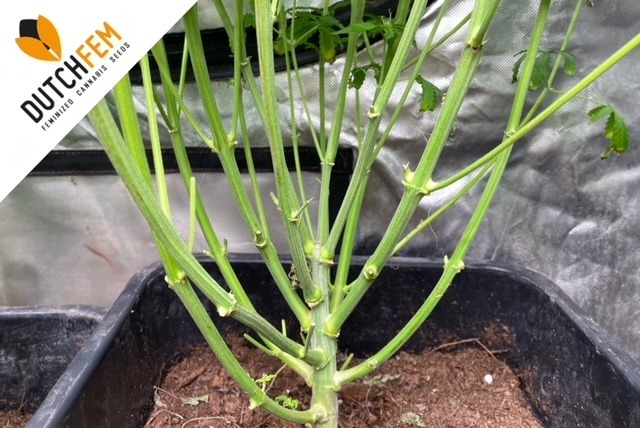
Lollipopping offers several advantages
Pruning the bottom of cannabis plants, commonly referred to as “lollipopping,” is a valuable technique that offers several advantages for growers. By removing the lower leaves and branches, plants are better able to focus their energy on producing larger, higher-quality buds at the top. This method enhances airflow, reduces the risk of pests and mold, and allows for better visual control of the plant’s structure. Lollipopping not only improves overall plant health but also maximizes both yield and potency, making it an essential practice in cannabis cultivation.
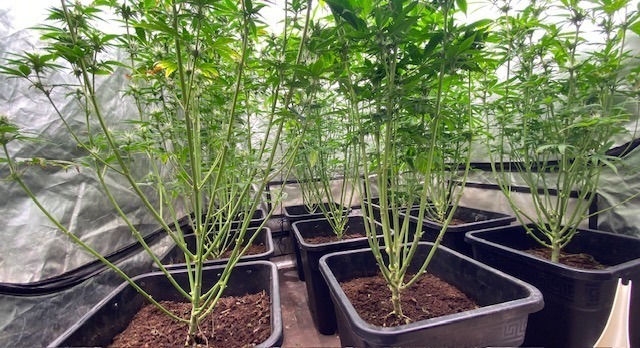
Pruning the bottom of cannabis plants, also known as “lollipopping,” offers several advantages. Your reasons cover the key benefits:
- Pest Control: The lower parts of the plant can be gathering spots for pests like spider mites and thrips, which prefer shaded and hidden areas. Removing these sections helps reduce pest infestation by eliminating potential hiding places.
- Fungal Prevention: Dead or dry leaves at the bottom are more susceptible to developing mold or fungi, especially in humid environments. Pruning these parts improves plant hygiene and prevents fungal infections.
- Improved Airflow: By removing the lower branches and leaves, airflow between the plants is enhanced, reducing moisture buildup and making conditions less favorable for mold growth and pest activity.
- Better Bud Development: When the plant doesn’t waste energy on lower, smaller buds (often referred to as “popcorn buds”), more resources are redirected to the upper, more potent buds. This improves the overall quality and yield of the remaining flowers.
- Enhanced Visual Control: Pruning provides better visibility of the entire plant structure, making it easier to spot issues like nutrient deficiencies, pests, or diseases, allowing for quicker intervention.
- Better light distribution: By removing the lower foliage and creating a cleaner, more open plant structure, lollipopping allows growers to make the most of side lighting. This combination ensures that the plant’s upper canopy, where the most productive buds form, receives the maximum amount of light, leading to larger yields and higher-quality flowers.
- Lollipopping Cannabis in 3 Simple Steps: Lollipopping cannabis plants is a straightforward technique that involves removing the lower branches and foliage to improve airflow, enhance bud development, and boost overall plant health. Here’s how to perform lollipopping in three easy steps.
- Conclusion Lollipopping
In summary, pruning the lower portions of your cannabis plants promotes healthier growth, reduces the risk of pests and disease, and ensures better bud quality and yield.

1.Pest Control: Eliminating Hiding Spots for Pests
When cultivating cannabis, controlling pests is a major concern for growers, as even a small infestation can drastically affect plant health and yield. The lower parts of cannabis plants, especially the branches and leaves that are shaded and closer to the ground, serve as prime gathering spots for pests such as spider mites, thrips, and aphids. These pests thrive in dark, moist environments where airflow is restricted. As a result, pruning the lower parts of the plant—commonly referred to as “lollipopping”—is a practical and effective way to minimize the risk of pest infestations.
Why the Lower Parts Are Vulnerable to Pests
The lower parts of cannabis plants are typically more shaded due to the canopy of leaves above them. This creates a cooler, more humid environment, which is ideal for pests to thrive. Spider mites, for instance, prefer to inhabit the underside of leaves, where they can feed on plant sap without being easily detected. Thrips, tiny insects that feed by puncturing the surface of leaves, are also likely to congregate in these lower sections, especially in areas where ventilation is limited.
Additionally, since the lower branches and leaves are often shaded and receive less direct light, they tend to be weaker and more susceptible to damage. Pests are naturally drawn to these weaker areas because the plant is less able to defend itself from invasion in such spots. By eliminating these shaded, vulnerable sections of the plant, growers can drastically reduce the areas where pests can hide and multiply.
The Benefits of Pruning for Pest Management
Pruning the lower parts of the plant is one of the simplest yet most effective methods of pest control for several reasons. First, by removing the branches and leaves that are most likely to harbor pests, growers limit the places where these insects can establish themselves. This means that early detection and eradication of pests become easier, as the visible portions of the plant are more exposed.
In addition to eliminating hiding spots, pruning improves air circulation around the plant, which makes the environment less hospitable for pests. Many pests, including spider mites and thrips, prefer areas of high humidity, which can occur in parts of the plant that are close to the ground and where airflow is restricted. By pruning away these areas, growers increase air movement, helping to dry out the moisture that pests thrive on and making it harder for them to establish colonies.
Moreover, by controlling pests through pruning, growers may also reduce their reliance on chemical pesticides. While pesticides can be effective, they also come with risks, such as potential harm to the plant or residue on the buds. Using pruning as a preventative measure allows growers to take a more organic approach to pest control, minimizing the need for chemical interventions.
Regular Pruning as a Preventative Measure
It’s important to note that pruning should not be seen as a one-time task but rather as an ongoing part of the plant’s care routine. As the plant grows, new lower branches may form, and regular inspection and pruning help ensure that these areas do not become a breeding ground for pests. Regular pruning also makes it easier to inspect the plant for signs of pest damage, allowing growers to catch any infestations early before they spread to the rest of the plant.
In summary, pruning the lower parts of cannabis plants is an effective pest management strategy. By eliminating the shaded, hidden areas where pests like spider mites and thrips thrive, growers can reduce the risk of infestation and promote healthier, more robust plants.

2. Fungal Prevention: Maintaining Hygiene Through Pruning
In cannabis cultivation, preventing fungal infections is crucial to ensuring a healthy crop. One of the most common issues growers face, particularly in humid environments, is the development of mold or fungi on the lower parts of the plant. Dead or dry leaves, as well as low-hanging branches, are especially vulnerable to fungal infections because of their proximity to the ground and the reduced airflow in these areas. By regularly pruning the lower sections of the plant, growers can effectively improve plant hygiene, reduce humidity, and prevent fungal growth, which can otherwise devastate the health and yield of the plant.
Why Fungi Thrive on Lower Plant Sections
The lower parts of a cannabis plant are often less exposed to sunlight and airflow compared to the upper canopy. This makes them more prone to moisture buildup, especially in humid growing environments or if plants are watered from above. Moisture is a key factor in fungal growth, and the lack of airflow in shaded, dense areas of the plant provides ideal conditions for fungi to flourish. Common fungal infections such as powdery mildew, botrytis (bud rot), and mold can quickly take hold in these moist, shaded areas, leading to damaged leaves and flowers that can ruin entire crops if left unchecked.
Dead or decaying plant material, such as dry leaves, is particularly susceptible to fungi. Once a leaf or branch begins to wilt or die, it creates an entry point for fungal spores to take hold. Fungi feed on organic matter, and the dead tissue becomes a perfect breeding ground. Without intervention, these infections can spread from the lower sections to the rest of the plant, impacting overall growth and yield.
The Role of Pruning in Fungal Prevention
Pruning the lower sections of the plant, particularly dead or decaying leaves, is one of the most effective ways to prevent fungal infections. Removing these parts improves the overall hygiene of the plant, ensuring that no dead material remains on which fungi can thrive. Regular pruning reduces the risk of infection by eliminating potential host sites for fungal spores.
Moreover, pruning encourages better air circulation around the plant. When the lower leaves and branches are left untouched, they create dense pockets where air cannot easily flow, which increases humidity levels in those areas. By removing these dense clusters, growers allow more air to move freely through the plant, reducing the moisture buildup that fungi need to survive. Good airflow is essential for keeping the plant dry, and a drier environment is far less conducive to the growth of mold or other fungi.
Additional Benefits of Pruning for Mold Control
In addition to directly preventing fungi from taking hold, pruning also makes it easier to monitor the plant for early signs of infection. Fungal infections often start at the lower parts of the plant, where they can go unnoticed if the area is too dense. By keeping the lower sections pruned and clear, growers have better visibility of the plant’s structure, making it easier to spot any developing issues before they become widespread.
Pruning also reduces the need for chemical fungicides, which are sometimes used to combat mold and mildew. While chemical treatments can be effective, they may leave unwanted residues on the plant, especially on the buds, and can affect the final product’s quality. By using pruning as a proactive measure, growers can take a more natural approach to mold prevention, reducing the reliance on chemical treatments.
Regular Pruning as a Long-Term Fungal Prevention Strategy
Just like pest control, fungal prevention through pruning is not a one-time task but an ongoing process. As the plant grows, lower leaves and branches will continue to develop, and regular pruning ensures that these areas remain clean and free of dead material. In particularly humid climates or indoor grow operations where moisture control can be challenging, consistent pruning is essential to maintain healthy plants.
In conclusion, pruning the lower sections of cannabis plants plays a vital role in preventing fungal infections. By removing dead or decaying leaves, increasing airflow, and reducing moisture buildup, growers can create an environment that is less conducive to mold and fungi. This practice not only helps to keep plants healthy but also leads to higher-quality yields by preventing the spread of fungal diseases.

3. Improved Airflow: Enhancing Plant Health and Reducing Moisture
Airflow is one of the most important factors in maintaining a healthy cannabis garden. Proper air circulation helps regulate temperature, humidity, and moisture levels, all of which are crucial for preventing the spread of diseases and pests. One of the most effective ways to improve airflow around cannabis plants is through pruning, particularly of the lower branches and leaves. This practice not only allows for better air movement but also creates an environment that is less conducive to mold growth and pest infestations.
How Poor Airflow Affects Cannabis Plants
When airflow is restricted around cannabis plants, it creates pockets of stagnant air, particularly around the lower parts of the plant where dense leaves and branches block movement. Stagnant air leads to moisture buildup, as water from transpiration, irrigation, or ambient humidity becomes trapped in these enclosed spaces. This increase in moisture creates the perfect environment for mold, mildew, and fungal diseases to thrive.
Additionally, restricted airflow contributes to a rise in humidity levels, which is problematic for cannabis plants. High humidity can weaken the plant’s defenses, making it more susceptible to common problems like powdery mildew, bud rot, and fungal infections. Moreover, pests like spider mites and aphids prefer humid, stagnant environments, so poor airflow increases the likelihood of infestations as well.
The Benefits of Pruning for Airflow Improvement
Pruning the lower branches and leaves of cannabis plants is an effective way to boost airflow and minimize the risks associated with stagnant air. By removing these sections, you open up space around the base of the plant, allowing fresh air to circulate freely. This improved air movement helps to evaporate moisture more quickly, reducing the chances of mold and mildew developing on the lower parts of the plant.
Increased airflow also leads to better temperature regulation. When air is able to move freely between and around the plants, it prevents hot spots from forming and keeps the growing environment more consistent. This is especially important in indoor grows or greenhouses, where heat from lights or warm weather can easily accumulate without proper ventilation. In outdoor settings, pruning helps reduce the risk of dense foliage trapping heat, which can lead to stress and even dehydration for the plant.
Airflow and Pest Control
In addition to its benefits for moisture control, improved airflow also plays a key role in pest management. Many pests, including spider mites, thrive in warm, humid environments where air movement is restricted. Without proper airflow, these insects can rapidly reproduce and spread throughout the crop. By increasing air circulation through pruning, you create an environment that is less inviting to pests. The drier, breezier conditions make it more difficult for pests to establish colonies and feed on the plants.
Pruning also aids in pest detection. When the lower sections of the plant are thinned out, it becomes easier to inspect the plant for any signs of pest activity, such as webbing from spider mites or damage caused by thrips. Early detection is crucial for effective pest management, as it allows growers to intervene before an infestation can spread to the upper, more valuable parts of the plant.
Promoting Healthy Growth Through Better Airflow
Aside from the direct benefits of preventing mold and pests, improving airflow around cannabis plants also promotes overall plant health. When the plant has access to consistent, fresh air, it can more effectively carry out the processes of transpiration and photosynthesis. Transpiration helps to regulate the plant’s water balance and cools the leaves, while photosynthesis is essential for producing the energy the plant needs to grow and develop.
By pruning the lower sections, you’re not only reducing the risk of disease and infestation but also ensuring that the plant has the best conditions for optimal growth. Healthy airflow allows the plant to “breathe” more efficiently, which in turn promotes stronger, more resilient development.
Regular Pruning for Long-Term Airflow Management
To ensure that airflow remains optimal throughout the plant’s life cycle, regular pruning is essential. As the plant grows, new leaves and branches will emerge, and without consistent attention, the lower sections can quickly become overcrowded again. Pruning should be performed periodically to maintain open spaces between the plants, allowing for continual air circulation.
In conclusion, pruning the lower branches and leaves of cannabis plants is a simple yet highly effective way to improve airflow. By promoting better air movement, growers can significantly reduce moisture buildup, create conditions that are less favorable for mold and pests, and enhance the overall health and productivity of their plants. This practice not only prevents common issues but also ensures that the plants thrive in a well-ventilated, balanced environment.
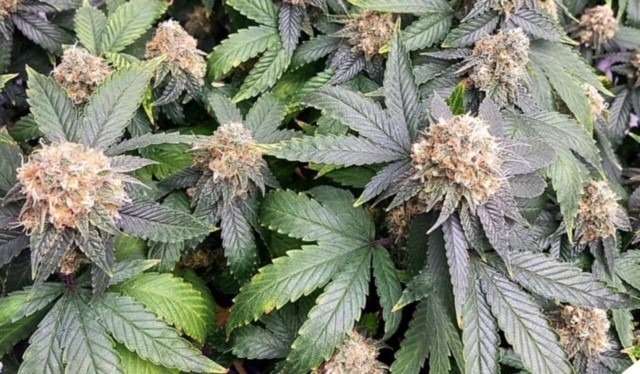
4. Better Bud Development: Redirecting Energy for Maximum Yield
In cannabis cultivation, maximizing both the quality and quantity of the final product is a top priority. One key technique used to achieve this is pruning, particularly the removal of lower branches and smaller buds. These small, underdeveloped buds, often referred to as “popcorn buds,” grow on the lower parts of the plant where light and nutrients are less accessible. By pruning these areas, the plant can redirect its energy and resources to the upper, more prominent buds, improving the overall yield and quality of the flowers.
Understanding Popcorn Buds and Energy Allocation
Popcorn buds are typically smaller, less dense, and lower in potency compared to the buds that form at the top of the plant. They develop on the lower branches, where they receive less light and air circulation, and as a result, they don’t mature as fully as the larger buds at the top. While they still have some value, these small buds often lack the potency, size, and resin production that growers aim for when harvesting cannabis.
The plant naturally allocates its energy—derived from light, water, and nutrients—toward all parts of its structure, including these lower buds. However, this widespread distribution of resources can be inefficient. By allowing the plant to focus on developing smaller, less productive buds, growers risk sacrificing the potential of the larger, more valuable buds. Pruning the lower sections helps redirect the plant’s energy to the upper canopy, where the buds receive more light and are in a better position to grow into dense, potent flowers.
Improving the Quality of Upper Buds
Pruning lower branches and popcorn buds has a significant impact on the quality of the remaining flowers. When the plant is no longer diverting resources to the lower, shaded buds, it can concentrate its energy on the upper colas—the larger, more prominent buds that form at the top of the plant. These upper buds receive more direct light, which is critical for photosynthesis, the process that fuels growth and resin production. More light means more energy, which translates to better bud development in terms of size, density, and cannabinoid concentration.
Increased light exposure also enhances trichome production, the tiny resinous glands responsible for producing cannabinoids like THC and CBD, as well as terpenes, which contribute to the aroma and flavor of the buds. By directing more resources to the upper buds, growers can boost the plant’s ability to produce these compounds, resulting in a higher quality final product.
Increased Yield Through Focused Growth
In addition to improving the quality of the buds, pruning also helps increase the overall yield of the plant. While it may seem counterintuitive to remove some growth in order to gain more, focusing the plant’s energy on a few key areas allows those areas to thrive. The plant no longer has to divide its resources among many small buds, meaning that the remaining buds grow larger and heavier, ultimately increasing the total weight of the harvest.
Without pruning, the plant spends energy trying to support both the upper and lower buds, often leading to an overall reduction in bud size and quality. By removing the lower, less productive buds, growers encourage the plant to focus its resources where they will have the most impact, leading to a more abundant and high-quality harvest.
Benefits of Pruning for Indoor and Outdoor Grows
Whether growing indoors or outdoors, pruning for better bud development is a valuable technique. In indoor grow operations, where light is often provided by artificial sources, the intensity of light decreases as it moves further from the lamp. This makes the lower parts of the plant less efficient at producing large buds. Pruning these areas ensures that the light is used more effectively, as the plant can now focus on the areas that receive the most direct exposure.
In outdoor grows, while sunlight is more evenly distributed, the same principle applies: lower buds are often shaded by the upper canopy, and the plant’s energy is better spent on developing the larger, upper buds. Outdoor growers also benefit from improved airflow and reduced risk of mold by removing dense lower growth, further enhancing the health and productivity of the plant.
Pruning for Consistent Results
Pruning for better bud development is not a one-time action but an ongoing process. As the plant grows, new lower branches and small buds will continue to form, and regular pruning ensures that the plant remains focused on producing the most potent, high-quality flowers. For best results, growers should begin pruning early in the plant’s vegetative stage and continue through the flowering stage, paying close attention to how the plant responds to ensure optimal growth.
In conclusion, pruning lower branches and popcorn buds is a critical technique for improving bud development in cannabis cultivation. By redirecting the plant’s energy to the upper, more potent buds, growers can increase both the quality and yield of their harvest. This focused approach not only leads to larger, denser buds but also enhances the plant’s overall health and productivity, resulting in a more successful and satisfying grow.

5. Enhanced Visual Control: Easier Monitoring for Health and Issues
Pruning cannabis plants is not only beneficial for improving airflow, pest control, and bud development, but it also greatly enhances visual control of the plant’s structure. By removing lower branches, leaves, and unnecessary growth, growers gain a clearer view of the entire plant, allowing them to more easily identify potential issues such as nutrient deficiencies, pest infestations, or diseases. This improved visibility enables quicker detection and intervention, which is critical to maintaining healthy plants and maximizing yields.
Clearer Visibility of the Plant’s Structure
A dense, unpruned cannabis plant can quickly become difficult to monitor, especially in the lower sections where light is limited and leaves can become overcrowded. When plants are bushy, it’s harder to inspect them thoroughly, leaving areas at risk of developing problems unnoticed. This is particularly true for the inner parts of the plant, where branches and leaves can block each other and create a “jungle-like” environment.
Pruning removes this excess foliage and opens up the structure of the plant, allowing light to penetrate deeper and making every part of the plant more visible. This means that growers can easily check each section of the plant for signs of stress, damage, or disease. Clear visibility is especially important during the later stages of the plant’s life cycle when early detection of problems can prevent a major loss of yield or quality.
Easier Detection of Nutrient Deficiencies
One of the major benefits of enhanced visual control through pruning is the ability to more easily spot nutrient deficiencies. Cannabis plants exhibit clear signs when they are lacking key nutrients, such as yellowing leaves for nitrogen deficiency or dark purple stems for phosphorus deficiency. However, in a dense, unpruned plant, these signs can be hidden by layers of leaves and branches.
By pruning, growers can more easily see the coloration and condition of the leaves throughout the plant. This is important because nutrient deficiencies often start at the lower parts of the plant. If these sections are obscured, the issue may go unnoticed until it has spread further, affecting the health and yield of the plant. With better visual control, growers can quickly identify problems and adjust their nutrient regimen before the deficiency causes significant damage.
Early Identification of Pests and Diseases
Pruning also plays a critical role in the early detection of pests and diseases. Pests such as spider mites, aphids, and thrips often begin their infestations on the lower, hidden parts of the plant, where they are less likely to be disturbed. Without pruning, these areas can be difficult to monitor, allowing pest populations to grow unchecked.
By removing lower branches and thinning out the plant, growers create a more open environment that makes it easier to inspect the plant for signs of pest activity, such as damaged leaves, webbing, or the presence of insects themselves. Early identification of these issues is key to effective pest management, as catching an infestation early allows for quicker intervention with less damage to the plant.
Similarly, pruning helps with the detection of diseases like powdery mildew or botrytis (bud rot), which often develop in areas with poor air circulation. In dense, unpruned plants, these infections can spread rapidly before being noticed. However, with improved visibility and airflow, growers are better equipped to spot early signs of disease, such as white powdery spots on leaves or discolored buds. Once identified, these issues can be addressed before they cause widespread damage.
Quicker and More Targeted Intervention
The ability to quickly identify problems also leads to faster and more targeted intervention. When issues are detected early, growers can apply localized treatments, such as removing affected leaves, adjusting nutrient levels, or applying organic pesticides to specific areas. This prevents the need for broad-spectrum solutions that might stress the plant or affect the entire crop. Early intervention also reduces the risk of the problem spreading to other plants, preserving the overall health of the grow.
Pruning also simplifies routine maintenance tasks like watering, feeding, and checking for pests or disease. With fewer branches and leaves in the way, growers can access the base of the plant more easily, apply treatments more accurately, and spend less time navigating through dense foliage.
Long-Term Benefits of Regular Visual Control
Regular pruning not only improves the current health of the plant but also sets the stage for long-term success in cannabis cultivation. By maintaining clear visibility throughout the plant’s growth cycle, growers can continuously monitor and respond to the plant’s needs, ensuring that problems are addressed before they become serious.
Moreover, the enhanced visibility helps growers learn more about their plants, enabling them to fine-tune their techniques over time. By observing how the plant responds to different conditions and treatments, growers can gain valuable insights that improve their overall cultivation strategy.
In conclusion, pruning cannabis plants provides better visual control, making it easier to spot issues such as nutrient deficiencies, pests, or diseases. By removing excess foliage, growers can monitor their plants more effectively, enabling quicker detection and intervention. This practice not only improves the health and yield of the current crop but also helps prevent future problems, leading to a more successful and efficient cultivation process.

6. Better Light Distribution When Using Side Lamps with Lollipopping
Lollipopping cannabis plants not only enhances airflow, pest control, and bud development but also optimizes light distribution, especially when using side lamps. By removing the lower foliage and creating a cleaner, more open plant structure, lollipopping allows growers to make the most of side lighting. This combination ensures that the plant’s upper canopy, where the most productive buds form, receives the maximum amount of light, leading to larger yields and higher-quality flowers.
The Importance of Light in Cannabis Growth
Light is a critical factor in cannabis cultivation, as it drives photosynthesis—the process by which plants convert light into the energy needed for growth and bud development. In most grow setups, the main light source is positioned above the plants. However, this top-down lighting can sometimes be insufficient, especially in dense canopies where lower branches and leaves block the light from reaching the middle and lower parts of the plant. This is where side lighting and lollipopping come into play.
Side lamps are an effective way to supplement top lighting by illuminating the sides of the plants. When used in conjunction with lollipopping, this method can significantly improve light penetration and distribution throughout the plant, ensuring that even the lower and mid-level buds receive enough light to thrive.
How Lollipopping Improves Light Distribution
Lollipopping is a pruning technique that removes the lower third of the plant’s growth, including small branches and leaves that typically receive little light. By doing this, growers create a more open structure, allowing light to reach deeper into the canopy. This process is particularly beneficial when using side lamps, as the clean, pruned lower sections of the plant allow light from the sides to penetrate more effectively into the mid and upper canopy where bud development is more concentrated.
Without lollipopping, the lower sections of the plant often block light from reaching the areas that need it most, especially when side lamps are in use. These lower branches and leaves can cast shadows and absorb light that could otherwise be utilized by the upper buds. By removing this lower growth, the entire plant can make better use of the available light, leading to more even development and increased bud production.
Maximizing the Effectiveness of Side Lamps
When combined with side lamps, lollipopping ensures that light is distributed more evenly across the plant, reducing the occurrence of “shadow zones” where light is insufficient. Side lamps complement the top-down light by reaching areas that are often shaded by the upper canopy, particularly in dense indoor grows where light penetration can be a challenge.
The increased light exposure to the upper and middle parts of the plant enhances photosynthesis in these crucial areas, promoting the growth of larger, denser buds. With more light reaching the buds from multiple angles, the plant can produce more energy, which is directed toward developing higher-quality flowers. This not only increases the overall yield but also improves the potency and resin production of the buds, as they receive optimal light exposure throughout the growth cycle.
Reduced Energy Waste
Another key benefit of lollipopping when using side lamps is reduced energy waste. Lower leaves and branches that receive little to no light contribute minimally to bud production but still consume the plant’s energy. By removing these unproductive parts of the plant, lollipopping ensures that the plant’s energy is focused where it will have the most impact: on the top and mid-level buds. This makes the entire process more energy-efficient, as the plant no longer wastes resources on parts that won’t contribute to the final yield.
Additionally, side lamps, when combined with lollipopping, ensure that light is not wasted on the lower parts of the plant that aren’t productive. Instead, the light is directed to the areas where it can be fully utilized, making the grow operation more efficient and reducing unnecessary energy consumption.
Conclusion
Lollipopping, when combined with side lighting, dramatically improves light distribution and overall plant health. By pruning the lower sections of the cannabis plant, growers allow side lamps to penetrate deeper into the canopy, ensuring that the upper and mid-level buds receive ample light. This results in better bud development, increased yield, and higher quality flowers. Furthermore, lollipopping reduces energy waste by focusing the plant’s resources on the most productive areas, making the entire cultivation process more efficient.

7. Lollipopping Cannabis in 3 Simple Steps
Lollipopping cannabis plants is a straightforward technique that involves removing the lower branches and foliage to improve airflow, enhance bud development, and boost overall plant health. Here’s how to perform lollipopping in three easy steps:
- Choose the Right Time
Timing is key when lollipopping. This technique is best done during the vegetative stage or early in the flowering stage, before the plant begins to fully focus on bud development. If done too late in the flowering stage, it may stress the plant or limit bud production. Ideally, lollipopping should be completed 1–2 weeks before the flowering stage begins, giving the plant time to adjust and redirect its energy to the top canopy.
- Remove Lower Branches and Leaves
Start by identifying the lower branches and leaves that receive little light and have small or underdeveloped buds (often called “popcorn buds”). These branches are not productive and can waste the plant’s energy. Using clean, sharp scissors or pruning shears, carefully trim away these lower branches, focusing on removing everything from the bottom third of the plant. Be sure to leave healthy, productive branches in the upper canopy, where buds will receive more light and nutrients.
- Maintain Proper Plant Structure
After pruning, ensure that the plant has a clean, open structure with enough airflow between the branches. This reduces the risk of mold and pests while allowing the plant to concentrate on producing larger, higher-quality buds at the top. Regularly monitor the plant as it grows and remove any new lower growth that may hinder airflow or light exposure.
By following these three simple steps, lollipopping helps improve plant health, increase yield, and optimize the quality of your cannabis harvest.

8. Conclusion: Why Lollipopping is Beneficial for Cannabis Growth
Lollipopping, the process of pruning the lower branches and leaves of cannabis plants, offers several key benefits that significantly improve both plant health and yield. By eliminating lower growth, growers reduce the likelihood of pest infestations and fungal infections, as these areas tend to be gathering spots for moisture and pests. The removal of this foliage also enhances airflow, helping to regulate humidity and prevent mold.
Furthermore, lollipopping redirects the plant’s energy to the upper, more productive buds, resulting in larger, denser, and more potent flowers. This not only boosts the overall quality of the yield but also maximizes the plant’s efficiency by concentrating resources where they are most needed. Additionally, the practice allows for better visual control of the plant’s structure, making it easier to detect and address issues such as nutrient deficiencies, pests, or diseases early on.
In summary, lollipopping promotes healthier, more resilient plants while improving both the quality and quantity of the final harvest. It’s a simple yet highly effective technique that can greatly enhance the success of any cannabis cultivation.
The pros and cons of cannabis defoliation
The most Common Infections in Cannabis Plants








You must be logged in to post a comment.