


What you need to grow cannabis indoors
What do I need to grow cannabis indoors? It is one of the most frequently asked questions to our live chat helpdesk.
And the answer is surprisingly simple: a pot of soil, a Dutchfem seed, and a windowsill with a few hours of sunshine a day. If you want to try it this way, have a read of this blog where we explain the best way to do it: How to grow autoflowering cannabis in front of your windowsill
If you want to grow real weed, you will of course need some more equipment. We have listed the 10 most important components of an indoor growing space for you. Remember 1 important thing: your grow space is only as good as your weakest link. This means that the best seed with the best grow light does not guarantee a good harvest if your soil and/or blackout are not also, at the very least, good. Are you going to grow with nutrients? Then you can’t do without a ph/ec meter. Feeding without one is like driving a car blindfolded, you’ll probably do fine for a while on a straight road…
You really don’t need only top-gear to grow successfully but do try to buy all the important stuff, and go from there and improve your nursery step by step.
1. What you need to grow cannabis indoors: Grow Space
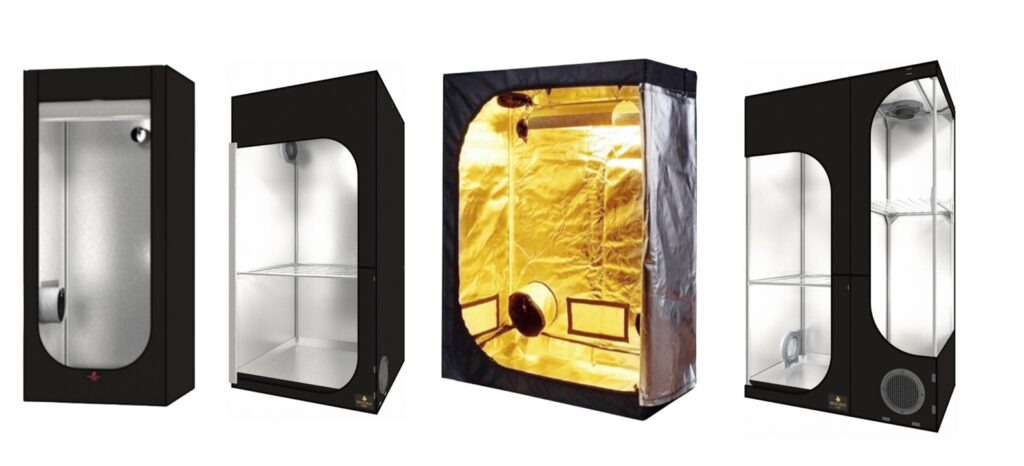
Creating a controlled environment for your cannabis plants is essential for healthy growth, and choosing the right grow space is the first step. Whether you opt for a **grow tent** or utilize a dedicated **room/closet**, the key is to ensure the space can maintain proper conditions, including light, temperature, and humidity.
· Grow Tent
A grow tent is one of the most popular choices for indoor growers due to its convenience and ability to provide a controlled micro-environment. Tents are made from lightproof materials, with reflective interiors that maximize light efficiency, ensuring that the plants receive as much light as possible. This is crucial for promoting healthy photosynthesis and robust growth.
Grow tents come in a variety of sizes, making it easy to find one that fits your available space, whether you’re growing just a few plants or managing a larger operation. Their modular design allows for easy setup, and many come with built-in ports for ventilation systems and electrical wiring. Additionally, a grow tent helps contain the smell, noise, and heat generated by lights and equipment.
· Room/Closet
Alternatively, many growers convert rooms, closets, or other enclosed spaces into grow areas. This method offers flexibility in terms of the grow area’s size and shape. However, it requires more effort to control the environment. You’ll need to ensure the space is well-ventilated, lightproof, and clean. Installing reflective materials on the walls (such as Mylar) can help improve light efficiency, much like in a grow tent.
Ultimately, whether using a grow tent or a room, maintaining a clean, organized, and well-ventilated grow space is vital for producing high-quality cannabis.
2. What you need to grow cannabis indoors: Grow Lights
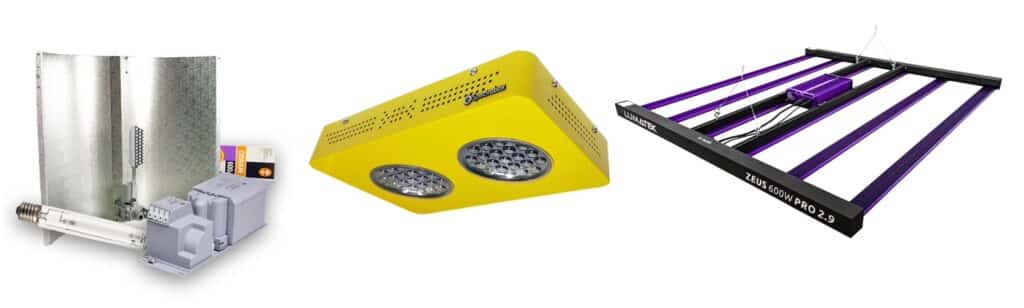
Lighting is one of the most critical factors in indoor cannabis cultivation, as it directly influences plant growth, photosynthesis, and ultimately the quality and yield of your harvest. The type of grow light you choose will depend on your budget, the size of your grow space, and the specific needs of your cannabis plants at various growth stages. Here are the main types of lights used for growing cannabis indoors:
· LED Lights
Light Emitting Diode (LED) lights have become the most popular choice for indoor cannabis growers due to their energy efficiency, longevity, and versatility. LEDs consume significantly less electricity than traditional lights, which can reduce operational costs, especially in large-scale grows.
One of the major advantages of LED lights is that they produce less heat, which helps maintain a stable environment in the grow room. This is important because excess heat can stress the plants, reduce yields, and increase the risk of mold or pests. With less heat output, you also spend less on cooling systems, and the risk of burning plants from lights placed too close is minimized.
LEDs are also available in full-spectrum options, meaning they can emit both blue and red wavelengths of light. Blue light is essential for the vegetative stage, promoting healthy leaf and stem growth, while red light is more important during the flowering stage, encouraging bud production. Full-spectrum LEDs can be used throughout the plant’s lifecycle, making them a convenient and efficient all-in-one lighting solution.
Though LEDs can be more expensive upfront compared to other options, their long lifespan, low heat output, and energy efficiency make them a solid investment for many growers.
· HID Lights
High-Intensity Discharge (HID) lights, including Metal Halide (MH) and High-Pressure Sodium (HPS), have been the industry standard for many years. HID lights are powerful and effective for growing cannabis, but they come with some challenges.
Metal Halide (MH) Lights: These are typically used during the vegetative stage because they emit a blue-white light that promotes lush, green growth. Plants in the vegetative stage require more blue light to develop strong roots and stems.
High-Pressure Sodium (HPS) Lights: These are preferred during the flowering stage as they emit more red and orange light, which is ideal for bud development. HPS lights help plants focus their energy on producing dense, resinous flowers.
The main drawback of HID lights is their high heat output, which can be problematic in smaller grow spaces. To prevent overheating, you’ll need a good ventilation system and possibly additional cooling equipment, both of which can increase the overall cost of your setup. However, HIDs are generally more affordable than LEDs, making them an attractive option for growers on a budget.
· Fluorescent Lights
Fluorescent lights, including CFLs (Compact Fluorescent Lamps) and T5 fixtures, are another option for indoor cannabis growing. Fluorescents are generally less intense than LEDs or HID lights, which makes them suitable for small-scale grows or for nurturing young seedlings and clones.
Fluorescent lights are easy to use and emit very little heat, reducing the risk of burning delicate plants. However, they are less efficient during the flowering stage, as they don’t provide the intensity or spectrum of light needed to maximize bud production. As a result, many growers who use fluorescent lights for seedlings or vegetative growth often switch to a different type of light, like HPS or LED, when their plants begin to flower.
Fluorescent lights are inexpensive and accessible, but they are not ideal for growers looking to achieve maximum yields or for those growing larger numbers of plants.
Conclusion What you need to grow cannabis indoors: Grow Lights
Choosing the right grow lights is crucial for the success of your cannabis grow. LED lights are an excellent long-term investment due to their energy efficiency, low heat output, and full-spectrum capabilities. HID lights, though powerful, require careful temperature management but can be a cost-effective solution for high yields. Fluorescent lights are best for small-scale or early-stage grows but aren’t sufficient for the flowering stage if you’re aiming for a large harvest. Your choice of lighting will depend on the specific needs of your grow space and budget.

3. What you need to grow cannabis indoors: Ventilation
Proper ventilation is critical for indoor cannabis cultivation as it helps regulate temperature, maintain humidity levels, and ensure a fresh supply of carbon dioxide (CO2), all of which are essential for plant health and growth. Without adequate airflow, your plants can be exposed to excess heat, high humidity, and stagnant air, which can lead to mold, mildew, and poor growth. A good ventilation system includes an inline fan, a carbon filter, and oscillating fans.
· Inline Fan
An inline fan is the backbone of your grow room’s ventilation system. Its primary role is to exhaust stale air out of the grow space and bring in fresh air. This exchange of air helps control temperature and humidity while also providing plants with a continuous supply of CO2, which they need for photosynthesis.
Inline fans are typically installed as part of a ducting system that draws air out of the grow room and expels it outside or into a different area. Most grow tents and rooms have exhaust ports that make it easy to set up an inline fan and ducting. Choosing the right size fan is crucial—if it’s too weak, it won’t be able to cycle air efficiently, and if it’s too strong, it may create negative pressure that could disrupt the environment. To determine the correct fan size, you need to calculate the volume of your grow space and match it with the fan’s CFM (cubic feet per minute) rating.
· Carbon Filter
A carbon filter is used in conjunction with an inline fan to control the odor of cannabis plants. As the fan pulls air out of the grow space, it passes through the carbon filter, which absorbs and neutralizes the odor-causing compounds, preventing the smell from escaping into your home or neighborhood.
Carbon filters are especially important if you’re growing in a place where cannabis cultivation needs to be discreet. The filter should be installed directly before or after the inline fan in the ventilation duct, depending on your setup. Over time, the activated carbon inside the filter will become saturated and need to be replaced.
· Oscillating Fans
Oscillating fans are smaller, rotating fans that help circulate air within the grow room or tent. They don’t remove or bring in air like an inline fan but ensure that air moves continuously around the plants. This constant movement prevents hot spots, reduces humidity pockets, and strengthens the plants’ stems, which helps them support heavier buds during the flowering stage.
Good airflow also helps prevent mold, mildew, and pests from taking hold, as these problems often thrive in stagnant, humid environments. Oscillating fans should be positioned so that air is moving over the tops and undersides of the plants without directly blowing too hard on them.
Conclusion What you need to grow cannabis indoors: Ventilation
A well-designed ventilation system, including an inline fan, carbon filter, and oscillating fans, is essential to maintaining a healthy indoor grow environment. It regulates temperature, controls humidity, and helps reduce the risk of mold and odor problems, ultimately leading to better growth and yields.

4. What you need to grow cannabis indoors: Containers and Growing Medium
Choosing the right pots is very important, which is why we have written a separate blog about it: The best pots to grow cannabis
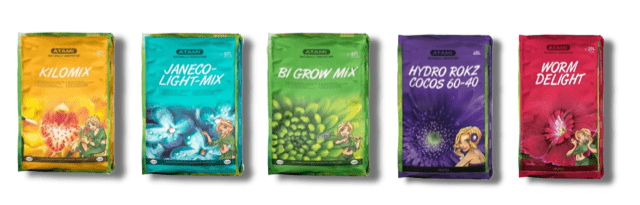
The growing medium is a crucial aspect of indoor cannabis cultivation, as it serves as the foundation for your plant’s root system. It influences how the plant absorbs water, nutrients, and oxygen, all of which are essential for healthy growth. There are several popular growing mediums, each with its advantages and challenges. The most common options include soil, coco coir, rockwool, and hydroponics.
· Soil
Soil is the most traditional and straightforward growing medium, making it a popular choice for beginners. It’s familiar, easy to work with, and can produce excellent results when combined with the right nutrients. The key to successful cannabis growth in soil is to use organic, cannabis-friendly soil. Regular garden soil is often too dense and lacks the nutrients cannabis plants need, so it’s important to choose a quality soil blend that includes essential amendments like perlite, compost, and worm castings to ensure proper aeration and nutrient retention.
When using soil, it’s important to maintain the pH between 6.0 and 6.5, as this is the optimal range for cannabis plants to absorb nutrients. Organic soils often come pre-loaded with nutrients, which means that growers don’t need to add additional fertilizers until later in the plant’s life cycle. However, as the plants grow, you may need to introduce nutrients specifically designed for cannabis, particularly during the flowering stage.
The forgiving nature of soil makes it an excellent choice for beginners who are just getting started with indoor cultivation, as it can buffer mistakes with watering or nutrient imbalances better than other mediums.
· Coco Coir
Coco coir is a soilless growing medium made from the fibrous husks of coconuts. It’s an eco-friendly, sustainable alternative to peat moss and is popular with growers who want more control over their plant’s nutrient intake. Coco coir offers excellent aeration and water retention, making it an ideal medium for strong root development.
One of the primary advantages of coco coir is that it allows for more control over the plant’s nutrients compared to soil. Since coco is a neutral medium, it doesn’t contain any inherent nutrients, meaning growers must provide a nutrient-rich water solution throughout the plant’s life. This can be an advantage for experienced growers who prefer to tailor their nutrient mix to their plant’s specific needs.
Coco coir is typically used in conjunction with perlite to improve drainage, and it’s important to maintain a pH of 5.5-6.3 for optimal nutrient uptake. This growing medium is a step up in complexity from soil but offers faster growth rates and larger yields when managed properly.
· Rockwool
Rockwool is a man-made growing medium made from spun volcanic rock fibers. It is commonly used in hydroponic systems, but it can also be used in other setups like deep water culture or drip irrigation systems. Rockwool provides excellent aeration and water retention, making it a great option for both seedlings and mature plants.
One of the challenges of using rockwool is that it needs to be handled carefully to avoid damaging the roots and can require frequent monitoring to maintain proper moisture levels. Since there is no soil to buffer nutrient levels, precise control over the nutrient mix input with pH ( 5.6-5.8) and EC (1.4 to 1.6) is required to avoid deficiencies or toxicities. Additionally, it’s important to properly soak rockwool before use in PH 5.2 and EC 1.4, as it tends to have a naturally high pH that needs to be adjusted before planting.
· Hydroponics
Hydroponics is a soil-free growing method where plants are grown directly in water enriched with nutrients. This system requires a more technical understanding of plant biology and nutrient delivery, but it can lead to faster growth and larger yields compared to traditional soil-based methods.
There are various types of hydroponic systems, including deep water culture (DWC), nutrient film technique (NFT), and aeroponics. In these systems, the roots are suspended in water or mist, and the plants receive all their nutrients directly from the water solution. Since there is no soil to buffer nutrient levels, precise control over the nutrient mix and pH (typically 5.8-6.3) is required to avoid deficiencies or toxicities.
Hydroponic systems also require careful attention to water temperature, oxygen levels, and regular cleaning to prevent issues like root rot. While this method can be complex, it is favored by many commercial growers for its ability to produce consistent, high-quality cannabis in a shorter time frame.
Conclusion What you need to grow cannabis indoors: Growing Medium
The choice of growing medium plays a significant role in how your cannabis plants develop. Soil is perfect for beginners due to its ease of use and forgiving nature, while coco coir and rockwool offer more control and faster growth but require more careful nutrient management. Hydroponics is the most advanced option, providing rapid growth and high yields, but it demands a deeper understanding of plant biology and system maintenance.
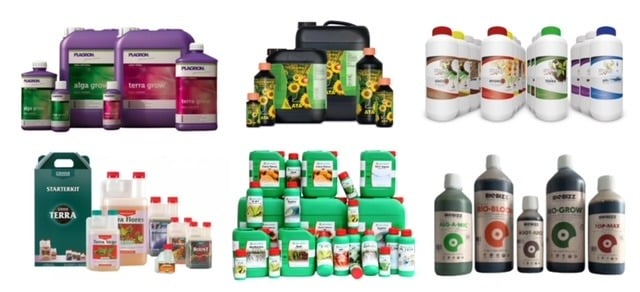
5. What you need to grow cannabis indoors: Nutrients and pH Control
Providing your cannabis plants with the right nutrients and maintaining proper pH levels are essential for ensuring healthy growth and optimal yields. Cannabis has specific nutritional needs that change throughout its life cycle, and pH control is crucial to ensure the plant can absorb these nutrients efficiently.
· Nutrients
Cannabis plants require a balanced diet of macronutrients and micronutrients. The most important macronutrients for cannabis are nitrogen (N), phosphorus (P), and potassium (K), often referred to as NPK. These nutrients are found in many cannabis-specific fertilizers, often labeled with their NPK ratio.
- Nitrogen (N): Nitrogen is vital for the vegetative stage, promoting healthy leaf and stem development. During this stage, the plant focuses on building a robust structure that will later support heavy buds. Nitrogen is responsible for chlorophyll production, which is essential for photosynthesis.
- Phosphorus (P) and Potassium (K): During the flowering stage, the plant’s nutritional needs shift. Phosphorus becomes essential for root development and flower production, while potassium helps with overall plant health and enhances the size and density of buds. Fertilizers designed for the flowering stage will typically have higher levels of phosphorus and potassium and lower levels of nitrogen.
In addition to NPK, cannabis also requires secondary nutrients like calcium, magnesium, and sulfur, along with trace elements such as zinc, copper, and iron. These nutrients are often included in cannabis-specific nutrient formulas, which are available in liquid or powder form. Following the manufacturer’s feeding schedule is important to avoid nutrient deficiencies or toxicities.
· pH Control
Maintaining the correct pH of your water or nutrient solution is critical for cannabis plants to absorb nutrients effectively. Cannabis thrives in slightly different pH ranges depending on the growing medium:
- For soil, the optimal pH range is 6.0 to 7.0. If the pH is too high or too low, the plant may suffer from nutrient lockout, where certain nutrients become unavailable for absorption, leading to deficiencies.
- For hydroponics or soilless mediums like coco coir, the ideal pH range is 5.5 to 6.5, as plants in these systems rely directly on water for nutrient uptake.
A pH meter is an essential tool for checking the pH of your water or nutrient solution before feeding your plants. Regular monitoring is important, as pH fluctuations can negatively impact plant health. If the pH is outside the ideal range, you’ll need to adjust it using pH Up or pH Down solutions, which are commercially available.
Conclusion What you need to grow cannabis indoors: Nutrients and pH Control
Understanding and managing nutrients and pH levels are key components of successful cannabis cultivation. Proper feeding schedules and regular pH monitoring ensure that your plants receive the nutrients they need at each stage of growth, resulting in healthy plants and high-quality buds.
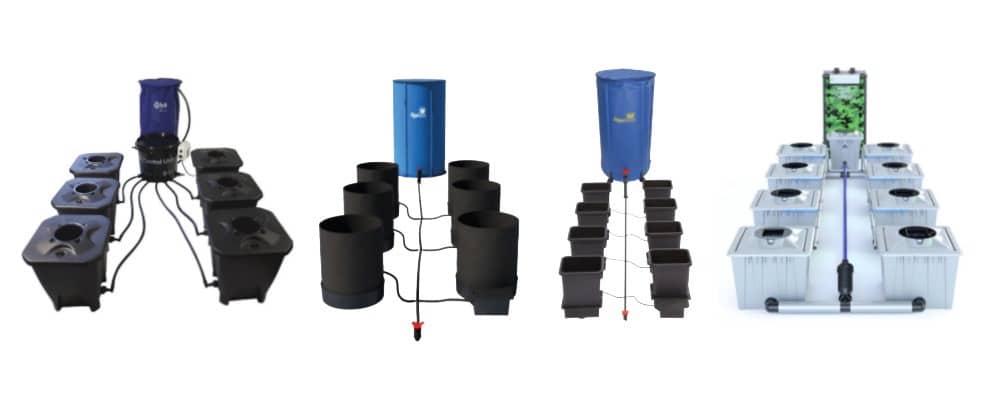
7. Watering System
A proper watering system is crucial for the health of your cannabis plants, as both under- and over-watering can negatively affect growth and yield. Depending on the size of your grow operation, your budget, and your water quality, you can choose from different watering methods: hand watering, automatic drip systems, or using reverse osmosis (RO) water when necessary.
· Hand Watering
Hand watering is the most common method for smaller grows and beginners. This approach allows you to be more hands-on with your plants, giving you the opportunity to monitor their progress closely and adjust the amount of water based on their specific needs. Hand watering works best in soil or coco coir setups, where you can easily gauge the moisture levels by feeling the medium or checking the weight of the pots.
One of the benefits of hand watering is the flexibility it provides. You can control the timing and amount of water based on the plant’s stage of growth. However, it requires regular attention, as plants need to be watered consistently to prevent drying out or water stress. In larger grows, hand watering can become time-consuming, making it less practical as the number of plants increases.
When hand watering, it’s essential to allow water to drain from the bottom of the pots to avoid waterlogging the roots, which can lead to root rot and other issues. Also, always ensure the water’s pH and nutrient content are appropriate for your plants’ needs.
· Automatic Drip System
For larger grow operations or growers who want a more consistent watering schedule, an automatic drip system can be an efficient solution. These systems deliver water directly to the plant’s roots through a series of tubes and emitters, providing a steady and controlled amount of moisture at regular intervals.
The primary advantage of an automatic drip system is its ability to save time and ensure consistent watering. It’s especially useful during periods of high growth when plants may require frequent watering that would otherwise be difficult to manage by hand. You can also customize the system to deliver precise amounts of water, which reduces the risk of over-watering and allows you to automate the feeding of nutrients along with the water.
While setting up a drip system requires an initial investment of time and money, it can result in more efficient water usage and healthier plants in the long term.
· RO (Reverse Osmosis) Water
Water quality is another important factor when growing cannabis. If your tap water is of poor quality—either too high in minerals, chlorine, or contaminants—it can harm your plants. RO (Reverse Osmosis) water is a solution for growers dealing with suboptimal water sources. RO systems filter out impurities and produce nearly pure water, which can then be mixed with nutrients.
Using RO water ensures that your plants are not exposed to harmful substances and allows you to control the exact nutrient profile they receive. However, since RO water removes all minerals, it’s essential to reintroduce calcium, magnesium, and other nutrients back into the water before feeding your plants.
Conclusion What you need to grow cannabis indoors: watering system
Choosing the right watering system depends on your grow setup and the specific needs of your plants. Hand watering is ideal for small grows and beginners, while an automatic drip system provides efficiency for larger setups. If water quality is an issue, using RO water ensures your plants receive clean, contaminant-free hydration for optimal growth.
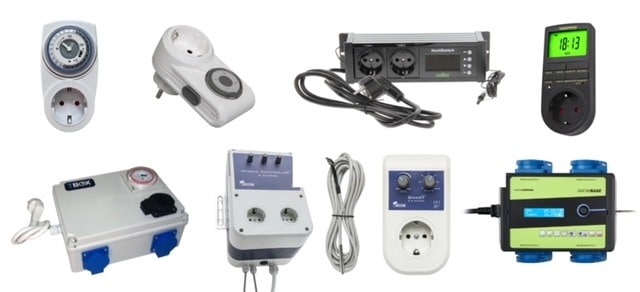
8. Timers and Controllers
Timers and environmental controllers are essential tools for automating and optimizing the growing environment of your cannabis plants. By maintaining consistent lighting schedules and stable temperature and humidity levels, these devices help reduce human error and improve overall plant health and yields.
· Light Timer
A light timer is a fundamental piece of equipment in any indoor grow setup. It automatically turns your grow lights on and off based on a pre-set schedule, ensuring your plants receive the correct amount of light for each growth stage. Cannabis requires different light cycles depending on whether it is in the vegetative or flowering stage:
- Vegetative stage: Plants typically need 18 hours of light and 6 hours of darkness to encourage strong, leafy growth.
- Flowering stage: When transitioning to flowering, the light schedule should change to 12 hours of light and 12 hours of darkness, simulating the shorter days of late summer and triggering bud development.
Using a light timer ensures that the light cycle remains consistent, even if you’re not around to adjust the lights manually. This consistency is crucial for the plants’ internal processes and helps avoid issues like hermaphroditism, which can occur due to light cycle interruptions.
· Environmental Controllers
Environmental controllers automate the regulation of temperature, humidity, and other factors like CO2 levels. These devices are especially useful in larger or more advanced grow setups, where maintaining a stable environment is critical for maximizing yields.
- Temperature controllers can adjust fans, heaters, or air conditioning systems to keep the grow room within the ideal range.
- Humidity controllers manage dehumidifiers or humidifiers to maintain the right humidity level, preventing mold and promoting healthy growth.
Conclusion Timers and Controllers: By automating these processes, environmental controllers help create an optimal environment for cannabis cultivation with minimal manual intervention.
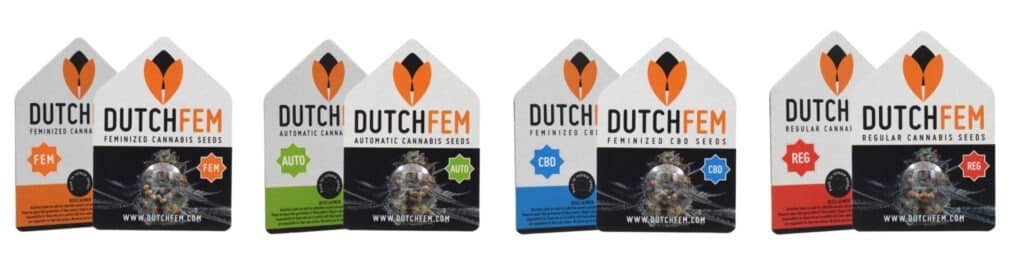
9. Cannabis Seeds or Clones
When starting your cannabis grow, one of the first decisions you’ll need to make is whether to use cannabis seeds or clones. Both options have their advantages and disadvantages, and the choice will depend on your experience level, grow space, and goals. Of course, we are in favour of using Dutchfem cannabis seeds. They give more yield than cuttings, are not infested with pests, and you have a wider choice of strains. And since you’re here in our shop anyway, you can order the best seeds right away and with this discount code: DUTCHDEAL5 you’ll get €5 off your order.
· Feminized Seeds
Feminized cannabis seeds are genetically engineered to produce only female plants, which are the ones that develop the resinous buds prized by growers. In contrast, male cannabis plants do not produce buds and can pollinate female plants, causing them to produce seeds instead of flowers. For this reason, growers who are focused on harvesting high-quality buds will prefer feminized seeds to avoid the hassle of identifying and removing male plants from their grow space.
Dutchfem feminized cannabis seeds are an excellent option for growers who want to maximize yields without worrying about accidentally growing males. With feminized cannabis seeds, every plant has the potential to flower and produce a harvest, making them ideal for those looking to optimize their space and resources. However, like regular cannabis seeds, feminized seeds still require proper care and an understanding of light cycles, as the plants will only begin to flower when they receive a specific amount of darkness—typically 12 hours, as is common in the flowering stage.
Dutchfem feminized cannabis seeds are available in a wide variety of strains, giving growers a broad selection of genetics to choose from. This diversity allows for experimentation with different flavors, effects, and growth characteristics.
· Autoflowering Cannabis Seeds
Autoflowering cannabis seeds are a popular choice for beginners or growers with limited time or experience. Unlike regular or feminized cannabis seeds, which depend on light cycles to trigger flowering, autoflowering cannabis seeds will flower automatically after a set period—typically 2 to 4 weeks—regardless of the light schedule. This feature makes autoflowering plants easier to manage, as growers don’t need to worry about adjusting light cycles to initiate the flowering stage.
Autoflowering plants are generally smaller and more compact than traditional cannabis strains, making them ideal for small grow spaces or discreet grows. They also tend to have a shorter life cycle, allowing growers to harvest faster, often within 8 to 10 weeks from seed to harvest. This can be particularly appealing for those looking for a quicker turnaround time.
However, autoflowering strains typically yield less than photoperiod (light-dependent) strains due to their smaller size and shorter growth cycle. Additionally, because the plants will flower automatically, there is less flexibility in terms of extending the vegetative stage to promote larger growth.
· Clones
Clones are cuttings taken from a mature female (mother) plant and grown into genetically identical copies. Since clones are guaranteed to be female, growers don’t have to worry about male plants or the risk of pollination. Cloning is a popular method among experienced growers who want to replicate a specific strain with known characteristics, such as flavor, potency, or yield.
The primary advantage of clones is that they come from a mature plant, so they skip the seedling phase. Additionally, clones carry the same genetic traits as the mother plant, so if you have a strain that produces high yields and excellent quality, you can reproduce it consistently through cloning. The downside is of course that cuttings from a mother with bad genetics also pass them on to the cuttings, so you have no certainty of getting a good harvest if you use cuttings.
However, clones are more vulnerable to pests, diseases, and stress, as they are directly exposed to the environment from the start. Additionally, since clones are already pre-programmed to be in a specific growth stage, they require proper care and knowledge to thrive. Unlike cannabis seeds, clones are not as widely available, and they often need to be sourced from a trusted dispensary or another grower.
Conclusion What you need to grow cannabis indoors: Seeds or Clones
Choosing between seeds and clones depends on your goals and experience level. Feminized seeds are ideal for maximizing yields with minimal concern for male plants. Autoflowering seeds offer simplicity and faster results, making them perfect for beginners. Clones provide consistency and are great for replicating a known strain but require more technical care and are less widely available. Each option offers unique benefits, so it’s important to choose the method that best suits your growing environment and preferences.
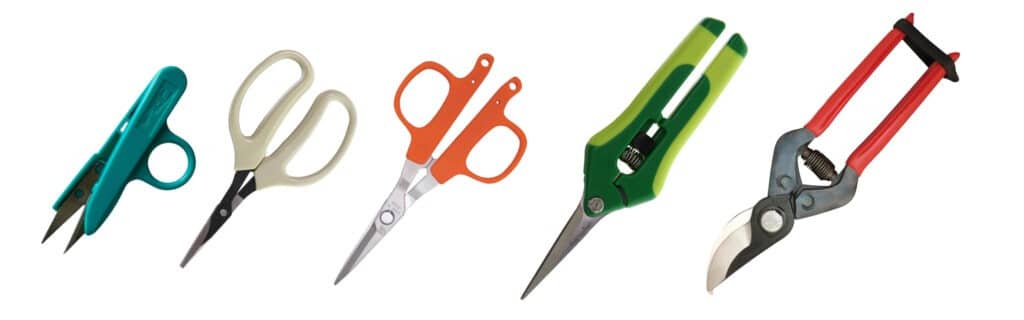
10. What you need to grow cannabis indoors: Miscellaneous Tools
In addition to the main equipment for your cannabis grow, several miscellaneous tools can make the process smoother and improve the quality of your harvest. These tools help with plant maintenance, support, and inspection, ensuring your plants grow strong and healthy.
· Pruning Scissors
Pruning scissors are an essential tool for maintaining your cannabis plants. These small, sharp scissors are used to trim leaves, prune branches, and remove dead or unnecessary growth, which helps the plant focus its energy on producing larger buds. Pruning also allows better air circulation and light penetration, which can improve yields and prevent mold or pest issues. A clean, precise pair of pruning scissors is vital for avoiding unnecessary damage to the plant.
· Trellis/Netting
A trellis or netting provides structural support for cannabis plants, especially as they grow taller and begin to flower. During the flowering stage, buds can become heavy, causing the branches to sag or break. A trellis or net supports the plants by keeping the branches upright and evenly spread, which also helps with light distribution. It’s commonly used in Screen of Green (ScrOG) or Low-Stress Training (LST) techniques, encouraging more even growth and maximizing yields.
· Magnifying Glass
A magnifying glass or loupe is helpful for closely inspecting your plants, especially the buds. It allows you to check for ripeness by examining the trichomes—small, resin-filled glands on the buds. Clear or cloudy trichomes indicate the plant is still maturing, while amber-colored trichomes signal that it’s ready for harvest. A magnifying glass is also useful for spotting pests or diseases early on, enabling quick intervention.
Conclusion What you need to grow cannabis indoors:
To grow cannabis indoors requires the right combination of equipment, knowledge, and attention to detail. Essential components include a suitable grow space, proper lighting, ventilation, and a well-chosen growing medium. Nutrient management, pH control, and an efficient watering system are crucial for plant health. Additional tools like timers, environmental controllers, and pruning scissors enhance precision and care. Whether you start with cannabis seeds or clones, setting up a controlled environment ensures your plants thrive, leading to a successful harvest. With the proper setup, indoor cannabis cultivation can be rewarding and productive for both beginners and experienced growers.
Maximizing Autoflower Success: Choosing the Ideal Container Size
Cultivating Cannabis on Your Balcony
Disinfecting your grow tent for cannabis cultivation
Germinating cannabis seeds video








You must be logged in to post a comment.